

How do I remove slab leakage paint if needed?
Jul 28, 2026
Leave a message
As a supplier of slab leakage paint, I understand that there may be situations where you need to remove the paint. Whether it's due to a change in the surface's requirements, a need to re - apply a different type of coating, or simply because the existing paint has failed, knowing how to remove slab leakage paint is crucial. In this blog, I'll share some effective methods for removing slab leakage paint.
Understanding Slab Leakage Paint
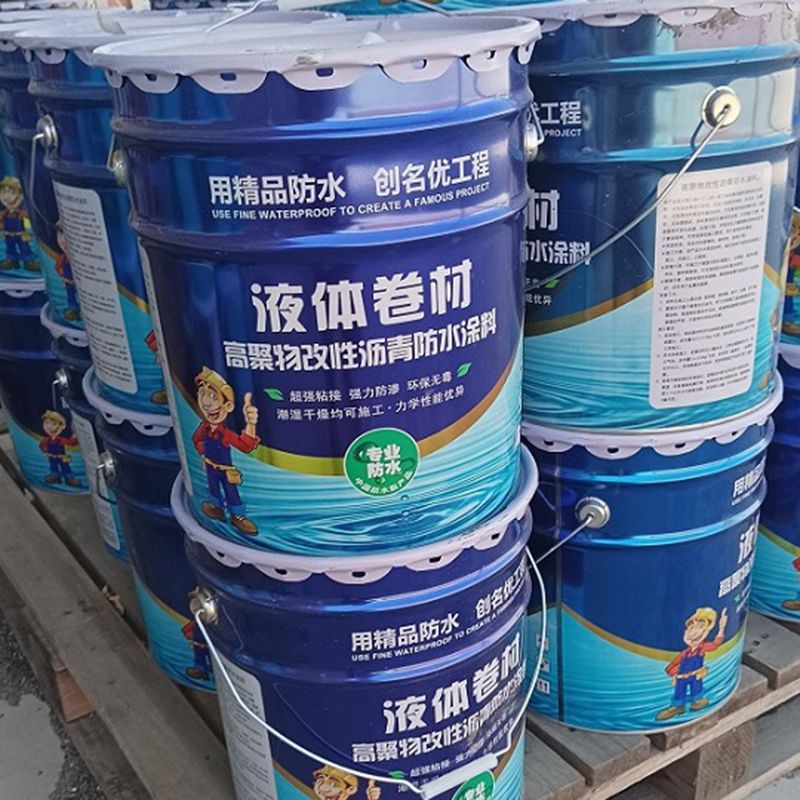
Before we delve into the removal methods, it's important to understand what slab leakage paint is. Slab leakage paint is a specialized coating designed to prevent water from seeping through concrete slabs. It forms a protective barrier that stops moisture from causing damage to the structure. There are different types of slab leakage paints, including Waterproofing Cement Paint for Roof, Cementitious Crystalline Waterproof Coating, and Polymer Modified Bitumen Coating. Each type has its own unique properties and characteristics, which can influence the removal process.
Methods of Removing Slab Leakage Paint
Mechanical Methods
-
Scraping
Scraping is one of the most basic and straightforward methods of removing paint. You can use a paint scraper, which comes in various sizes and shapes. For larger areas, a wide - bladed scraper can be effective, while a smaller, more precise scraper is suitable for corners and edges. When scraping, make sure to apply even pressure to avoid damaging the underlying concrete surface. Start from one corner and work your way across the area. This method is best for removing loose or peeling paint. However, it can be time - consuming, especially for thick layers of paint.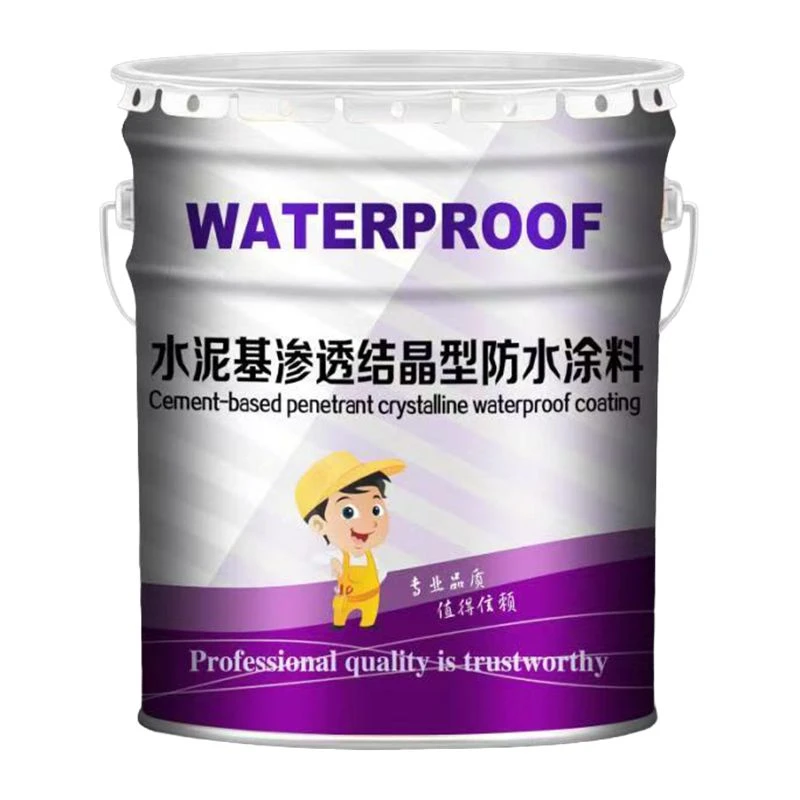
-
Sanding
Sanding is another mechanical method that can be used to remove slab leakage paint. You can use sandpaper of different grits, starting with a coarse grit to remove the bulk of the paint and then moving to a finer grit for a smoother finish. Orbital sanders or belt sanders can be used for larger areas, while hand - sanding is more suitable for smaller or irregularly shaped areas. Sanding not only removes the paint but also prepares the surface for re - coating. However, it generates a lot of dust, so it's important to wear a dust mask and protective goggles. -
Blasting
Blasting methods, such as sandblasting or shot - blasting, are more aggressive ways of removing paint. In sandblasting, fine sand is propelled at high speed onto the painted surface, effectively removing the paint. Shot - blasting uses small metal shots instead of sand. These methods are very effective for removing thick or stubborn paint layers. However, they require specialized equipment and can be quite expensive. Also, they can cause damage to the concrete surface if not done properly.
Chemical Methods
- Paint Strippers
Paint strippers are chemical solutions designed to break down the paint and make it easier to remove. There are different types of paint strippers available, including solvent - based and water - based strippers. Solvent - based strippers are generally more powerful but can be toxic and flammable. Water - based strippers are more environmentally friendly but may be less effective on some types of paint.
To use a paint stripper, apply it to the painted surface using a brush or a sprayer. Let it sit for the recommended amount of time, usually 15 - 30 minutes, until the paint starts to bubble or soften. Then, use a scraper to remove the paint. Rinse the surface thoroughly with water to remove any remaining stripper. - Acidic Solutions
Some acidic solutions can also be used to remove paint. For example, muriatic acid (hydrochloric acid) can be effective in removing certain types of paint. However, it is a very strong acid and should be used with extreme caution. Wear protective clothing, gloves, and goggles when handling muriatic acid. Dilute the acid according to the manufacturer's instructions and apply it to the painted surface. After a few minutes, the paint may start to dissolve. Rinse the surface thoroughly with water to neutralize the acid.
Factors to Consider When Removing Slab Leakage Paint
- Type of Paint
As mentioned earlier, different types of slab leakage paint have different properties. Some paints may be more resistant to removal methods than others. For example, cementitious crystalline coatings may be more difficult to remove than polymer - modified bitumen coatings. Understanding the type of paint you are dealing with will help you choose the most appropriate removal method. - Condition of the Surface
The condition of the underlying concrete surface is also an important factor. If the surface is already damaged or porous, some removal methods may cause further damage. For example, sandblasting or using strong acidic solutions on a weak concrete surface can lead to pitting or cracking. In such cases, a more gentle removal method, such as scraping or using a water - based paint stripper, may be more appropriate. - Environmental Impact
When choosing a removal method, it's important to consider the environmental impact. Some chemical methods, such as using solvent - based paint strippers or muriatic acid, can be harmful to the environment. If possible, opt for more environmentally friendly methods, such as water - based paint strippers or mechanical methods.
Preparing for Paint Removal
- Safety Precautions
Before starting the paint removal process, it's essential to take safety precautions. Wear protective clothing, including long - sleeved shirts, long pants, gloves, and goggles. If using chemical methods, wear a respirator to protect yourself from fumes. Make sure the area is well - ventilated, especially when using solvents or acidic solutions. - Surface Preparation
Clean the surface to be treated before starting the paint removal. Remove any dirt, debris, or loose paint. This will ensure that the removal method is more effective. You can use a broom or a pressure washer to clean the surface.
Post - Removal Steps
- Cleaning the Surface
After removing the paint, clean the surface thoroughly to remove any remaining paint particles, stripper, or other residues. You can use a pressure washer or a scrub brush and water. Make sure the surface is completely dry before applying a new coating. - Surface Repair
Inspect the surface for any damage caused by the paint removal process. If there are any cracks, holes, or other imperfections, repair them before applying a new coating. You can use a concrete patching compound or a similar product to repair the surface.
When to Contact a Professional
Removing slab leakage paint can be a challenging task, especially if you are dealing with a large area or a stubborn type of paint. If you are unsure about the best removal method or if you don't have the necessary equipment or experience, it's advisable to contact a professional. A professional contractor will have the expertise and equipment to remove the paint safely and effectively.
Conclusion
Removing slab leakage paint is a process that requires careful consideration of the type of paint, the condition of the surface, and the appropriate removal method. Whether you choose a mechanical or chemical method, it's important to follow safety precautions and take the necessary steps to prepare the surface before and after the removal process.
As a supplier of slab leakage paint, I can offer you high - quality products and expert advice on paint application and removal. If you have any questions or are interested in purchasing our products, please feel free to contact us for a procurement discussion. We are committed to providing you with the best solutions for your waterproofing needs.
References
- "Concrete Surface Preparation for Coating Application" by the American Concrete Institute
- "Paint Stripping and Removal" by the National Paint and Coatings Association