

How to ensure the proper alignment of Geotextile Stabilization Fabric during installation?
Nov 10, 2026
Leave a message
As a supplier of Geotextile Stabilization Fabric, I've seen firsthand how crucial proper alignment is during installation. In this blog, I'll share some tips on ensuring that your Geotextile Stabilization Fabric is installed correctly.
Pre - installation Planning
Before you even unroll the fabric, you need to have a solid plan in place. First, conduct a thorough site assessment. Look at the terrain, soil conditions, and the overall layout of the area where the fabric will be installed. If the ground is uneven, you might need to do some grading. This will help in achieving a flat surface, which is essential for proper alignment.
Another important aspect of pre - installation is measuring the area accurately. You don't want to end up with too much or too little fabric. Use a reliable measuring tape and mark the boundaries clearly. This way, you'll know exactly where to start and end the installation. Also, consider the direction of the slope. If there's a slope, the fabric should be aligned in a way that it can effectively manage water runoff.
Handling the Fabric
When it comes to handling Geotextile Stabilization Fabric, be gentle. These fabrics are designed to be strong, but they can still get damaged if mishandled. Roll out the fabric slowly and carefully. Make sure there are no kinks or folds in it. If you notice any wrinkles, smooth them out immediately.
It's also a good idea to have a team of people to handle the fabric during installation. One person can be at the front, guiding the roll, while others can follow along to ensure that the fabric lays flat. This teamwork can significantly improve the alignment process.
Anchoring the Fabric
Anchoring is a key step in ensuring proper alignment. Start by securing the edges of the fabric. You can use stakes or pins to hold the fabric in place. Make sure the stakes are driven firmly into the ground. The spacing between the stakes depends on the type of fabric and the soil conditions. In general, stakes should be placed every few feet along the edges.
For the center of the fabric, you might need to use additional anchoring methods. Some fabrics come with built - in anchoring systems, while for others, you can use sandbags or gravel to weigh them down. This will prevent the fabric from shifting during and after installation.
Overlapping and Seaming
Overlapping the fabric is necessary to create a continuous barrier. The amount of overlap depends on the manufacturer's recommendations, but typically, it's around 6 to 12 inches. Make sure the overlap is even across the entire length of the fabric.
When it comes to seaming, there are different methods. You can use adhesive tapes, stitching, or heat - welding. The choice of seaming method depends on the type of Geotextile Stabilization Fabric you're using. For example, some fabrics are better suited for heat - welding, while others work well with adhesive tapes. Ensure that the seams are strong and secure to maintain proper alignment and functionality.
Checking for Alignment
Throughout the installation process, you need to constantly check for alignment. Use a string line or a laser level to ensure that the fabric is straight. Walk along the edges of the fabric and look for any deviations. If you find any misalignments, make adjustments immediately.
It's also a good idea to step back and view the entire installation area from a distance. This will give you a broader perspective and help you spot any large - scale alignment issues.
Dealing with Obstacles
During installation, you might encounter obstacles such as rocks, trees, or utility lines. When dealing with rocks, you can either remove them if they're small enough or cut the fabric around them. Make sure to seal the edges of the cut fabric properly to maintain its integrity.
If there are trees, leave enough space around the trunk to allow for growth. You can use a circular or oval cutout around the tree and then anchor the fabric securely. For utility lines, follow all safety guidelines and regulations. You might need to consult with the utility company before making any cuts or adjustments to the fabric.
Post - installation Inspection
Once the installation is complete, conduct a final inspection. Check for any loose stakes, misaligned seams, or areas where the fabric has shifted. Make any necessary repairs or adjustments. This post - installation inspection will help ensure the long - term performance of the Geotextile Stabilization Fabric.
In addition to ensuring proper alignment, our company also offers a variety of related products. We have Crawl Space Waterproofing Membrane, which is great for keeping crawl spaces dry. Our Self Adhesive Polymer Modified Bitumen Membrane is easy to install and provides excellent waterproofing. The Impermeable Geomembrane is perfect for creating a barrier against water and other liquids. For those looking to waterproof concrete roofs, our Concrete Roof Waterproofing Membrane is a great option. And if you need a simple black waterproofing solution, our Black Waterproofing Membrane is worth considering.
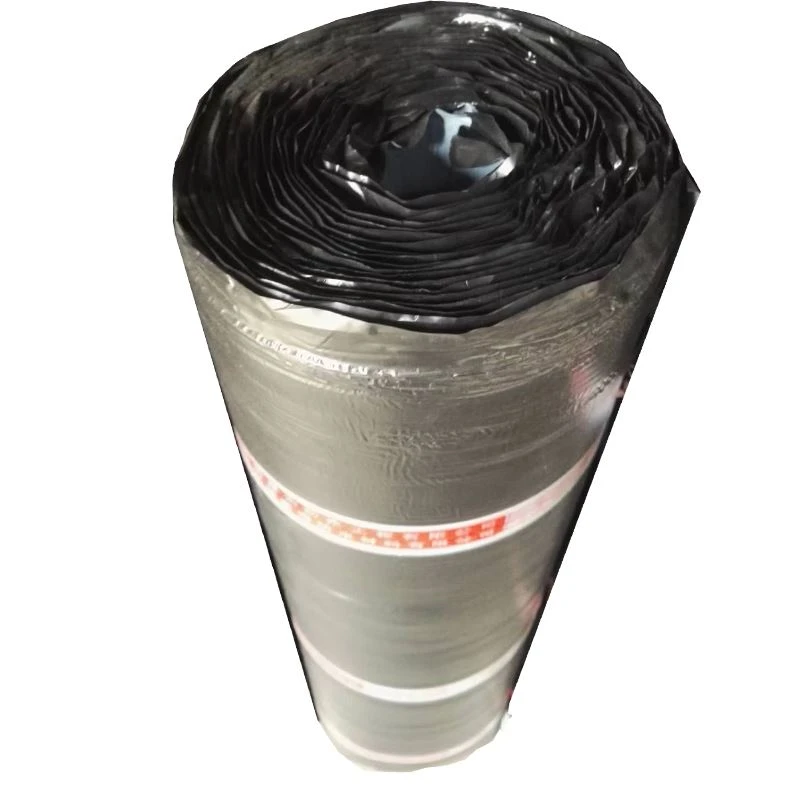
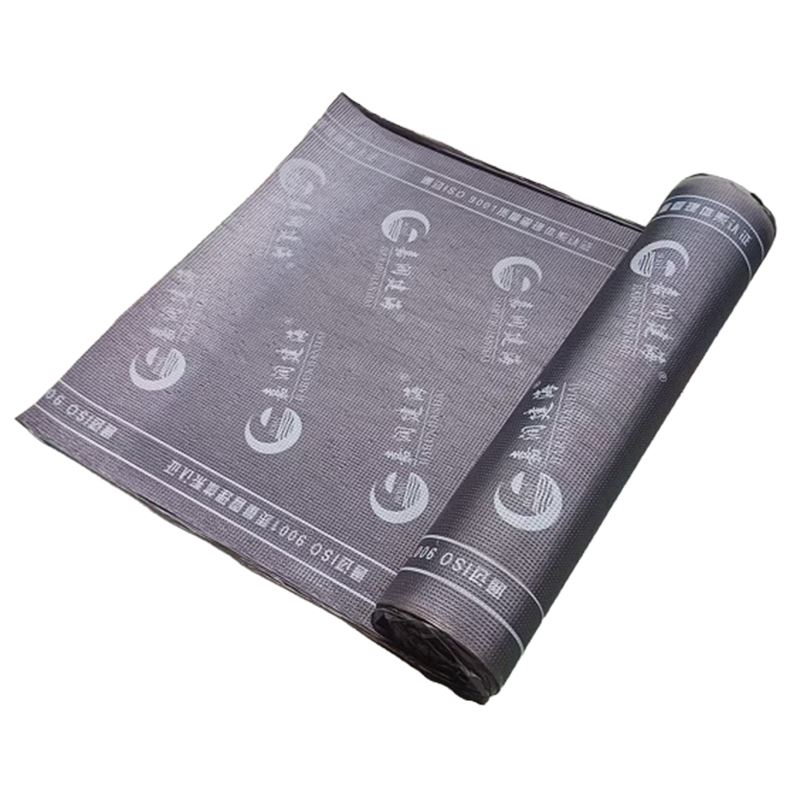
If you're interested in purchasing Geotextile Stabilization Fabric or any of our other products, feel free to reach out. We're here to help you with your project and ensure that you get the right products for your needs. Whether you're a contractor, a landscaper, or a DIY enthusiast, our products can make your job easier and more effective.
References
- Geosynthetics Institute. "Installation Guidelines for Geotextiles."
- Manufacturer's product manuals for Geotextile Stabilization Fabric.