

Does Neoprene Bitumen Primer change color over time?
Aug 04, 2026
Leave a message
As a supplier of Neoprene Bitumen Primer, I've received numerous inquiries from customers about whether this product changes color over time. This question is not only relevant to the aesthetic aspect of the coating but also to its performance and durability. In this blog, I'll delve into the science behind Neoprene Bitumen Primer and explore the factors that may cause color changes.
Understanding Neoprene Bitumen Primer
Neoprene Bitumen Primer is a specialized coating used as a preparatory layer before applying waterproofing membranes or other protective coatings. It consists of a blend of neoprene rubber and bitumen, which provides excellent adhesion, flexibility, and water resistance. This primer is commonly used in various construction applications, including roofs, basements, and foundations.
The neoprene component in the primer enhances its elasticity and resistance to environmental factors, such as UV radiation, temperature fluctuations, and chemical exposure. Bitumen, on the other hand, offers waterproofing properties and acts as a binder, holding the neoprene particles together. The combination of these two materials results in a high-performance primer that can withstand harsh conditions and provide long-lasting protection.
Factors That May Cause Color Changes
Several factors can contribute to color changes in Neoprene Bitumen Primer over time. Understanding these factors can help you take appropriate measures to minimize or prevent color alterations.
1. UV Radiation
One of the primary factors that can cause color changes in Neoprene Bitumen Primer is exposure to ultraviolet (UV) radiation. UV rays from the sun can break down the chemical bonds in the primer, leading to oxidation and discoloration. Over time, the primer may become darker or develop a yellowish tint.
To mitigate the effects of UV radiation, it's recommended to apply a UV-resistant topcoat over the Neoprene Bitumen Primer. This topcoat acts as a protective barrier, shielding the primer from direct sunlight and reducing the risk of color changes. Additionally, choosing a primer with built-in UV stabilizers can also help improve its resistance to UV damage.
2. Temperature Fluctuations
Extreme temperature fluctuations can also affect the color of Neoprene Bitumen Primer. When the primer is exposed to high temperatures, it may expand and contract, causing stress on the coating. This stress can lead to cracking or peeling, which can expose the underlying layers and result in color changes.
Similarly, cold temperatures can make the primer brittle and less flexible, increasing the risk of damage. To prevent color changes due to temperature fluctuations, it's important to apply the primer in the recommended temperature range and ensure proper ventilation during the drying process.
3. Chemical Exposure
Exposure to certain chemicals can also cause color changes in Neoprene Bitumen Primer. For example, contact with acids, alkalis, or solvents can react with the primer and alter its chemical composition. This can lead to discoloration, fading, or even degradation of the coating.
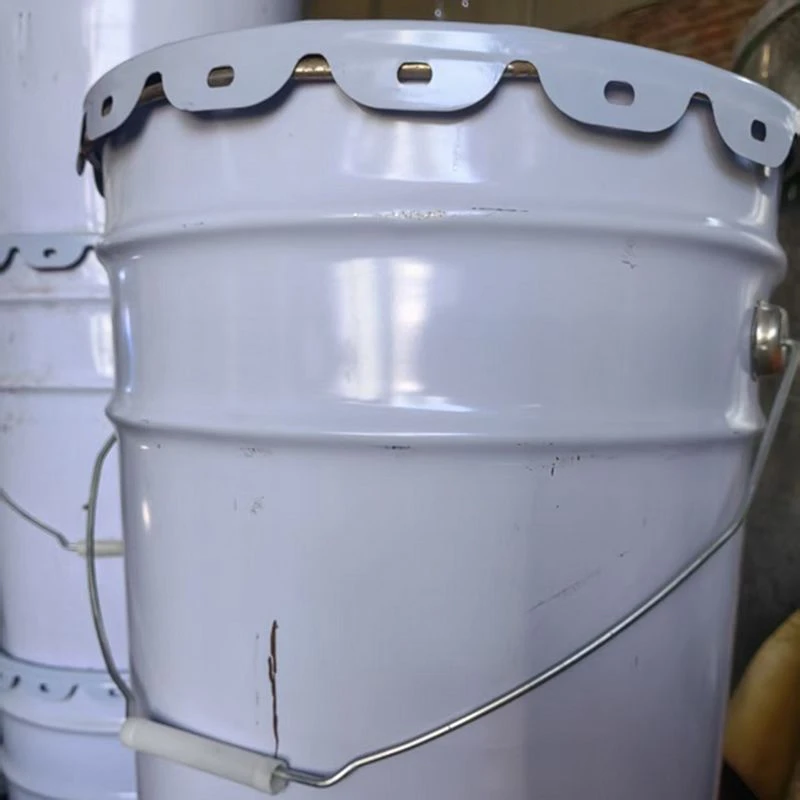
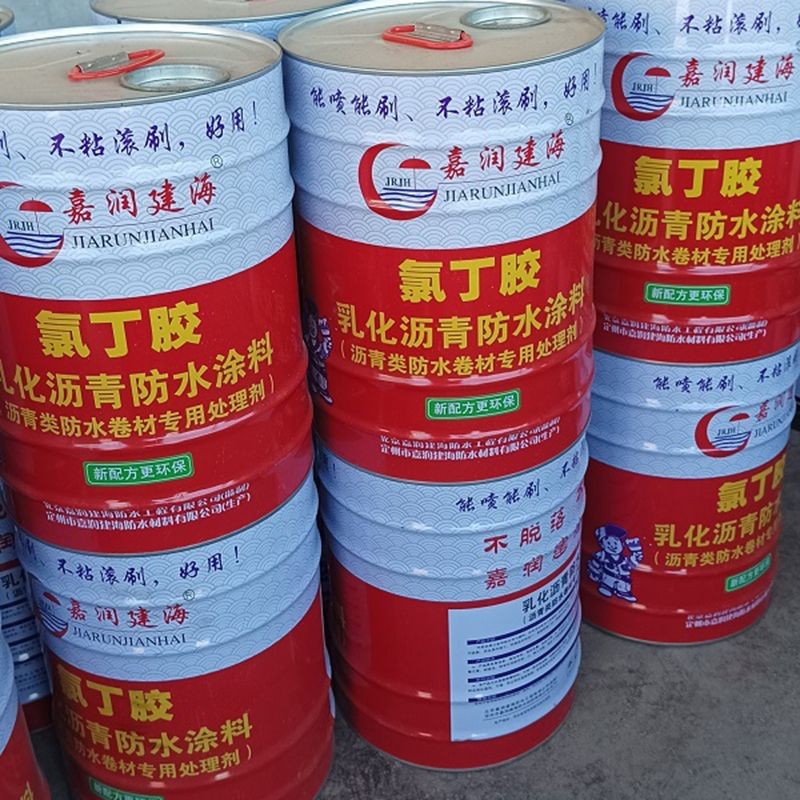
To avoid chemical exposure, it's important to follow the manufacturer's instructions and avoid using harsh chemicals or solvents on the primer. If the primer comes into contact with chemicals, it should be cleaned immediately with a mild detergent and water.
4. Age and Wear
Like any other coating, Neoprene Bitumen Primer will naturally age over time. As the primer ages, it may lose its original color and develop a dull or faded appearance. This is due to the cumulative effects of environmental factors, such as UV radiation, temperature fluctuations, and chemical exposure.
In addition to age, wear and tear can also contribute to color changes in the primer. For example, foot traffic, abrasion, or mechanical damage can cause the primer to wear down, exposing the underlying layers and resulting in color changes.
Preventing Color Changes
While it's difficult to completely prevent color changes in Neoprene Bitumen Primer, there are several steps you can take to minimize their occurrence.
1. Choose a High-Quality Primer
The quality of the Neoprene Bitumen Primer you choose can have a significant impact on its resistance to color changes. Look for a primer that is formulated with high-quality materials and has a proven track record of performance. Additionally, choose a primer that is specifically designed for your application and environment.
2. Apply the Primer Correctly
Proper application of the Neoprene Bitumen Primer is essential to ensure its long-term performance and prevent color changes. Follow the manufacturer's instructions carefully and apply the primer in the recommended thickness and number of coats. Make sure the surface is clean, dry, and free of any contaminants before applying the primer.
3. Use a UV-Resistant Topcoat
As mentioned earlier, applying a UV-resistant topcoat over the Neoprene Bitumen Primer can help protect it from UV radiation and reduce the risk of color changes. Choose a topcoat that is compatible with the primer and provides excellent UV protection.
4. Maintain the Coating
Regular maintenance of the Neoprene Bitumen Primer can help extend its lifespan and prevent color changes. Inspect the coating regularly for any signs of damage or wear, and repair any cracks or peeling immediately. Additionally, clean the coating periodically with a mild detergent and water to remove any dirt or debris.
Conclusion
In conclusion, Neoprene Bitumen Primer can change color over time due to various factors, including UV radiation, temperature fluctuations, chemical exposure, and age and wear. However, by choosing a high-quality primer, applying it correctly, using a UV-resistant topcoat, and maintaining the coating, you can minimize the occurrence of color changes and ensure its long-term performance.
If you're interested in purchasing Neoprene Bitumen Primer or other waterproofing products, such as Cementitious Crystalline Waterproof Coating or Waterproof Breathable Masonry Paint, please feel free to contact us for more information. We're a leading supplier of high-quality waterproofing products and can provide you with the best solutions for your needs.
References
- ASTM International. (2021). Standard Specification for Bituminous Waterproofing Coatings. ASTM D41.
- International Code Council. (2021). International Building Code. ICC.
- National Roofing Contractors Association. (2021). Roofing Manual. NRCA.