

How to ensure the compatibility of a flexible water stop with other materials?
Oct 27, 2026
Leave a message
Hey there! As a supplier of Flexible Water Stop, I've been getting a lot of questions lately about how to ensure its compatibility with other materials. It's a crucial issue, especially when you're working on a project where a watertight seal is non - negotiable. So, I thought I'd share some tips and insights on this topic.
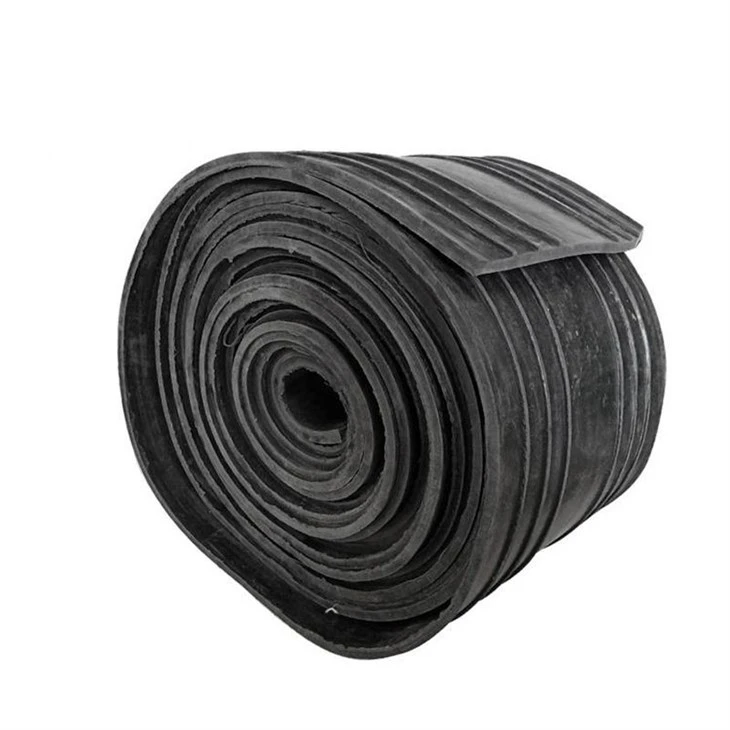
First off, let's talk about what a Flexible Water Stop is. You can check out more details about it on our website Flexible Water Stop. This product is designed to provide a reliable and long - lasting seal against water infiltration. It's made from flexible materials that can adapt to different shapes and movements, which is super useful in various construction and waterproofing applications.
Understanding the Properties of Flexible Water Stop
Before we dive into compatibility, it's important to understand the basic properties of the Flexible Water Stop. It usually has good elasticity, which allows it to stretch and contract without losing its sealing ability. It also has excellent adhesion, which helps it stick firmly to different surfaces.
The chemical composition of the Flexible Water Stop is another key factor. Some are made from rubber - based materials, while others use synthetic polymers. These materials have different chemical characteristics, and this can affect how they interact with other substances.
Compatibility with Construction Materials
Concrete
Concrete is one of the most common materials in construction, and ensuring the compatibility of the Flexible Water Stop with it is essential. When installing the water stop in concrete, you need to make sure that the surface is clean and free of dust, oil, and other contaminants. A rough surface can actually improve the adhesion of the water stop.
Before applying the Flexible Water Stop, it's a good idea to test a small area. This way, you can see if there are any chemical reactions between the water stop and the concrete. In most cases, rubber - based water stops are quite compatible with concrete, but it's always better to be safe than sorry.
Steel
If you're using the Flexible Water Stop in a project that involves steel structures, you need to pay attention to corrosion. Some water stops may contain chemicals that can react with steel and cause corrosion over time. To avoid this, you should choose a water stop that is specifically designed for use with steel.
Also, make sure that the steel surface is properly prepared. A clean and rust - free surface will ensure better adhesion of the water stop. You can use a primer on the steel surface to improve the bonding between the water stop and the steel.
Compatibility with Other Sealing Materials
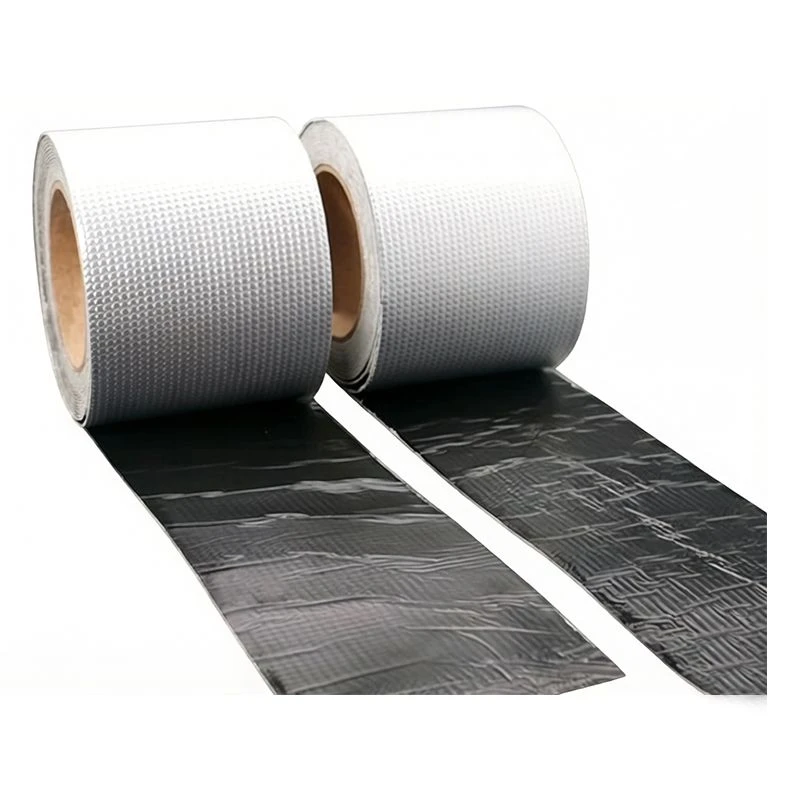
Butyl Self Adhesive Tape
Butyl Self Adhesive Tape is another popular sealing material. When using it in combination with the Flexible Water Stop, you need to ensure that they are chemically compatible.
Butyl tape is known for its excellent sealing properties and adhesion. It can be used to fill gaps and provide an additional layer of protection. However, if the two materials are not compatible, they may separate over time, which can compromise the integrity of the seal.
Before using them together, it's advisable to conduct a compatibility test. Apply a small piece of the Flexible Water Stop and the Butyl Self Adhesive Tape on a test surface and observe how they interact over a period of time. If there are no signs of separation or chemical reaction, then they should be safe to use together.
Factors Affecting Compatibility
Temperature
Temperature can have a significant impact on the compatibility of the Flexible Water Stop with other materials. Extreme temperatures can cause the materials to expand or contract, which may lead to separation or loss of adhesion.
For example, in cold weather, the Flexible Water Stop may become more rigid, and its adhesion to other materials may decrease. On the other hand, in hot weather, some materials may soften or melt, which can also affect the seal.
When choosing a Flexible Water Stop, make sure it is suitable for the temperature range of your project. Some water stops are designed to perform well in a wide range of temperatures, while others are more temperature - sensitive.
Moisture
Moisture is another factor that can affect compatibility. If the surface is wet when applying the Flexible Water Stop, it may not adhere properly. Also, moisture can cause some materials to degrade over time.
Before installing the water stop, make sure the surface is dry. If the area is prone to high humidity or water exposure, choose a water stop that has good water - resistance properties.
Testing for Compatibility
Laboratory Testing
Laboratory testing is the most accurate way to determine the compatibility of the Flexible Water Stop with other materials. A professional laboratory can conduct a series of tests, including chemical analysis, adhesion tests, and aging tests.
These tests can provide detailed information about how the water stop will interact with other materials under different conditions. However, laboratory testing can be expensive and time - consuming.
Field Testing
Field testing is a more practical option for many projects. You can apply a small sample of the Flexible Water Stop and the other materials on a test area in the actual project site. Observe the test area over a period of time to see if there are any signs of incompatibility.
Field testing allows you to see how the materials perform in real - world conditions. It's a cost - effective way to ensure the compatibility of the water stop with other materials.
Tips for Ensuring Compatibility
- Read the product labels: Always read the product labels of the Flexible Water Stop and other materials. The labels usually provide information about compatibility, application methods, and storage conditions.
- Follow the manufacturer's instructions: The manufacturer's instructions are there for a reason. Follow them carefully to ensure the proper installation and performance of the water stop.
- Seek professional advice: If you're unsure about the compatibility of the Flexible Water Stop with other materials, don't hesitate to seek professional advice. A construction expert or a materials engineer can provide valuable insights.
Conclusion
Ensuring the compatibility of a Flexible Water Stop with other materials is crucial for the success of any waterproofing project. By understanding the properties of the water stop, considering the factors that affect compatibility, and conducting proper testing, you can ensure a reliable and long - lasting seal.
If you're interested in purchasing our Flexible Water Stop or have any questions about its compatibility with other materials, feel free to reach out to us. We're here to help you make the right choice for your project.
References
- ASTM International. (2023). Standard test methods for evaluating the properties of flexible waterstops.
- Construction Specifications Institute. (2022). MasterFormat: Waterproofing and damp - proofing.