

Is butyl self adhesive tape breathable?
Jul 23, 2026
Leave a message
Hey there! As a supplier of Butyl Self Adhesive Tape, I often get asked a bunch of questions about our products. One of the most common ones is, "Is butyl self adhesive tape breathable?" Well, let's dive into this topic and find out.
First off, let's talk a bit about what butyl self adhesive tape is. Butyl Self Adhesive Tape is a super - versatile product. It's made from butyl rubber, which gives it some amazing properties. It's known for its excellent sealing capabilities, high tackiness, and resistance to weather, UV rays, and chemicals. We use it in a wide range of applications, like construction, automotive, and electronics, to seal joints, prevent water leakage, and insulate.
Now, onto the big question of breathability. Breathability in a tape essentially means whether air and moisture vapor can pass through it. There are a couple of factors that influence the breathability of butyl self adhesive tape.
The composition of the butyl rubber plays a huge role. Butyl rubber is a synthetic rubber that has a fairly dense molecular structure. This dense structure makes it difficult for air and vapor to pass through. In most cases, butyl self adhesive tape is not considered breathable in the traditional sense. When you apply it to a surface, it forms a tight seal that blocks the passage of air and moisture. This is great for applications where you need to keep water out, like sealing windows and doors in a building. You don't want rainwater or humidity seeping in, and the non - breathable nature of the tape helps with that.
However, there are some modified versions of butyl self adhesive tape that claim to have some level of breathability. These are usually engineered for specific applications where a little bit of air and moisture exchange is required. For example, in some roofing applications, if there's too much moisture trapped under the roofing material, it can lead to mold growth and damage the structure over time. So, a slightly breathable butyl tape can be used to allow some moisture vapor to escape while still providing a good seal.
Let's look at some of the pros and cons of the non - breathable nature of most butyl self adhesive tapes.
Pros
- Waterproofing: Since it doesn't let air or moisture through, it's an excellent waterproofing agent. It can stop water from leaking through cracks, joints, and seams in buildings, pipes, and vehicles. For instance, in an automotive setting, you can use it to seal the edges of the windshield to prevent water from getting inside the car during a heavy rain.
- Weather resistance: The non - breathable property also contributes to its weather resistance. It protects the surfaces it's applied to from harsh weather conditions like rain, snow, and strong winds. In construction, it can be used to seal the gaps around exterior walls, keeping the interior dry and comfortable.
- Insulation: It acts as an insulator, reducing heat transfer. In buildings, this can help with energy efficiency by keeping the indoor temperature stable. Whether it's keeping the heat in during winter or out during summer, butyl self adhesive tape does a great job.
Cons
- Moisture trapping: As I mentioned earlier, the lack of breathability can sometimes cause problems. If moisture is already present under the tape, it can get trapped and lead to issues like mold growth, corrosion, and damage to the underlying materials. This is a concern in areas with high humidity or where there's a potential for water to get trapped behind the tape.
- Restricted moisture release: In some applications, like in wooden structures, wood needs to breathe. If you use a non - breathable butyl tape, it can prevent the natural moisture release from the wood, which may cause the wood to rot over time.
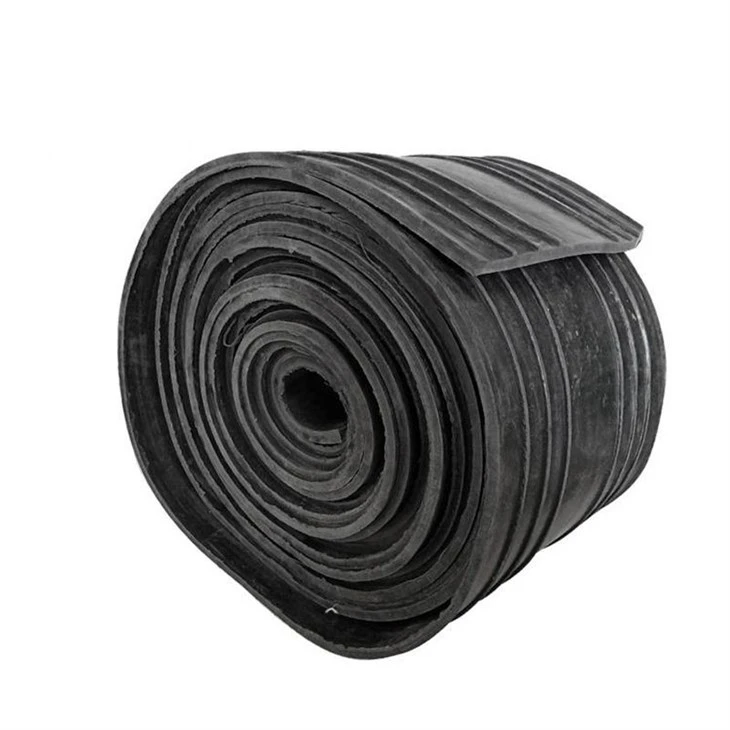
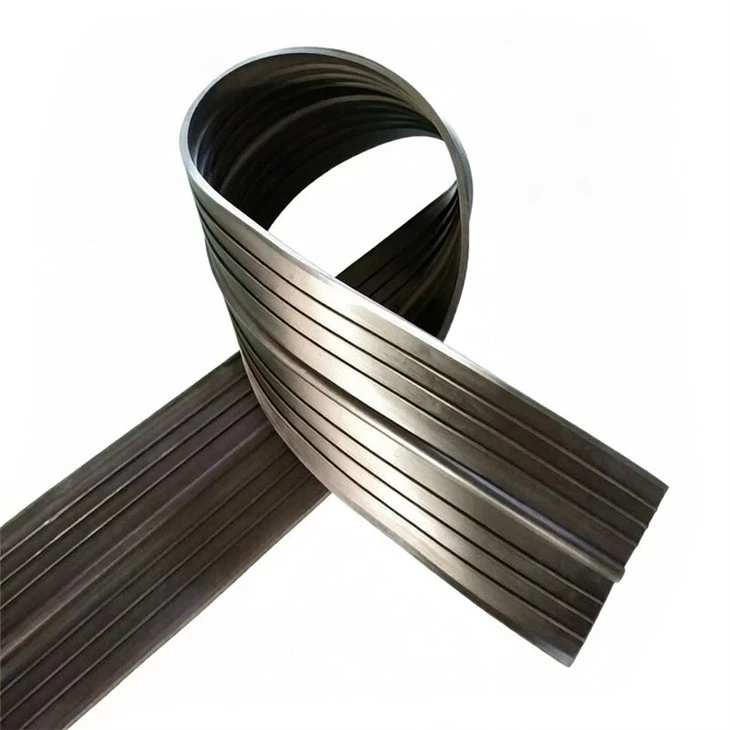
Now, let's compare it with another product in our lineup, the Flexible Water Stop. Flexible water stop is also used for sealing and preventing water leakage, but it has different characteristics. Flexible water stop is more flexible and can adapt to different shapes and movements. It's often used in areas where there's a lot of expansion and contraction, like in concrete joints. In terms of breathability, it also has a similar non - breathable nature as butyl self adhesive tape in most cases. However, its main focus is on providing a long - lasting, flexible seal against water.
So, when should you choose butyl self adhesive tape? If you're dealing with a situation where you need a strong, permanent seal against water and don't have to worry about moisture trapping, like sealing a pipe joint or a static window frame, butyl self adhesive tape is a perfect choice. On the other hand, if you're working on a project with moving parts or in an area where there's a lot of expansion and contraction, the Flexible Water Stop might be more suitable.
As a supplier, we've seen a lot of successful applications of our Butyl Self Adhesive Tape. For example, a construction company used our tape to seal the joints between pre - fabricated walls. The tape provided a watertight seal, and the building remained dry and free from water damage even during heavy storms. Another customer in the electronics industry used it to insulate and seal electronic components, protecting them from moisture and dust.
If you're in the market for a reliable sealing solution, whether it's butyl self adhesive tape or flexible water stop, we're here to help. Our products are of high quality, and we've got a lot of experience in the industry. We can offer you technical support and advice on which product is best for your specific application.
If you're interested in learning more about our products or want to place an order, don't hesitate to reach out. We're always ready to have a chat and discuss your needs. Let's work together to find the perfect sealing solution for your project.
References
- "Handbook of Adhesive Technology" - This book provides in - depth knowledge about different types of adhesives, including butyl rubber - based tapes.
- "Sealing and Insulation in Construction" - A great resource that details the use of sealing products in the construction industry and their performance under various conditions.