

What are the applications of Geotextile Stabilization Fabric in road construction?
Jul 20, 2026
Leave a message
Geotextile stabilization fabric, a revolutionary material in modern construction, has been a game - changer in road construction. As a well - established geotextile stabilization fabric supplier, I have witnessed firsthand the numerous applications and benefits this material brings to road projects.
1. Separation Function in Road Construction
One of the primary applications of geotextile stabilization fabric in road construction is separation. In a road structure, different layers of materials have distinct properties and functions. For example, the subgrade, which is the natural soil or the prepared ground, and the base course, which is typically made of granular materials like crushed stone, need to be kept separate. Over time, without proper separation, the fine particles from the subgrade can migrate into the base course, and the larger particles from the base course can sink into the subgrade. This mixing can lead to a loss of the structural integrity of both layers, resulting in reduced load - bearing capacity and premature road failure.
Geotextile stabilization fabric acts as a physical barrier between these layers. It prevents the intermixing of materials while still allowing the passage of water. When placed between the subgrade and the base course, the fabric holds the base course in place and maintains the distinct characteristics of each layer. This separation ensures that the road structure can better withstand the traffic loads and environmental stresses, ultimately extending the service life of the road.
2. Filtration and Drainage
Another crucial application of geotextile stabilization fabric is related to filtration and drainage. In a road system, water management is critical. Excess water trapped in the road structure can cause a variety of problems, such as softening of the subgrade, erosion of the base course, and the development of potholes.
Geotextile fabrics are designed with specific pore sizes that allow water to pass through while retaining soil particles. When used in road construction, they can be placed in areas where water needs to be drained, such as along the edges of the road or beneath the base course. As water infiltrates the road structure, the geotextile fabric filters out the fine soil particles, preventing them from clogging the drainage system. This ensures that water can flow freely through the fabric and out of the road structure, reducing the risk of water - related damage.
For example, in areas with high groundwater levels or heavy rainfall, geotextile stabilization fabric can be installed as a horizontal drain layer beneath the base course. This layer collects the water and directs it to the side drains, keeping the road structure relatively dry and stable.
3. Reinforcement of Road Structures
Geotextile stabilization fabric also plays an important role in reinforcing road structures. Roads are subjected to repeated traffic loads, which can cause stress and deformation in the road layers. Over time, these stresses can lead to cracks, potholes, and other forms of damage.
By adding geotextile fabric to the road structure, the overall strength and stability of the road can be significantly improved. The fabric distributes the traffic loads more evenly across a larger area, reducing the stress concentration on any single point. This helps to prevent the formation and propagation of cracks in the road surface.
In addition, geotextile fabric can increase the stiffness of the road structure. It restrains the lateral movement of the base course and subgrade materials, providing better resistance to shear forces. This is particularly important in areas with weak or unstable subgrades, where the reinforcement provided by the geotextile fabric can help to support the road and prevent settlement.
4. Erosion Control
Erosion is a major problem in road construction, especially in areas where the road is built on slopes or near water bodies. Uncontrolled erosion can lead to the loss of soil from the road embankment, which can undermine the road structure and cause safety hazards.
Geotextile stabilization fabric can be used as an effective erosion control measure. It can be installed on the surface of the road embankment or on slopes adjacent to the road. The fabric holds the soil in place, preventing it from being washed away by rainwater or surface runoff.
Some geotextile fabrics are designed with a high - friction surface, which further enhances their ability to resist erosion. In addition, the fabric can also provide a suitable environment for vegetation growth. By allowing water and nutrients to pass through, the fabric can support the establishment of grass and other plants on the embankment. The vegetation roots then help to bind the soil together, providing long - term erosion control.
5. Compatibility with Other Construction Materials
Geotextile stabilization fabric is highly compatible with other construction materials commonly used in road construction. It can be easily combined with materials such as asphalt, concrete, and granular aggregates.
For instance, when using asphalt in road surfacing, geotextile fabric can be placed between the old asphalt layer and the new one. This helps to prevent the reflection of cracks from the old layer to the new layer, improving the performance and durability of the asphalt pavement.
In concrete road construction, geotextile fabric can be used as a curing membrane. It helps to retain moisture in the concrete, promoting proper curing and reducing the risk of cracking. The fabric can also be used in combination with granular aggregates to improve the stability and load - bearing capacity of the base course.
Related Products and Their Applications
In addition to geotextile stabilization fabric, our company also offers other related waterproofing products that are useful in road construction and its associated infrastructure.
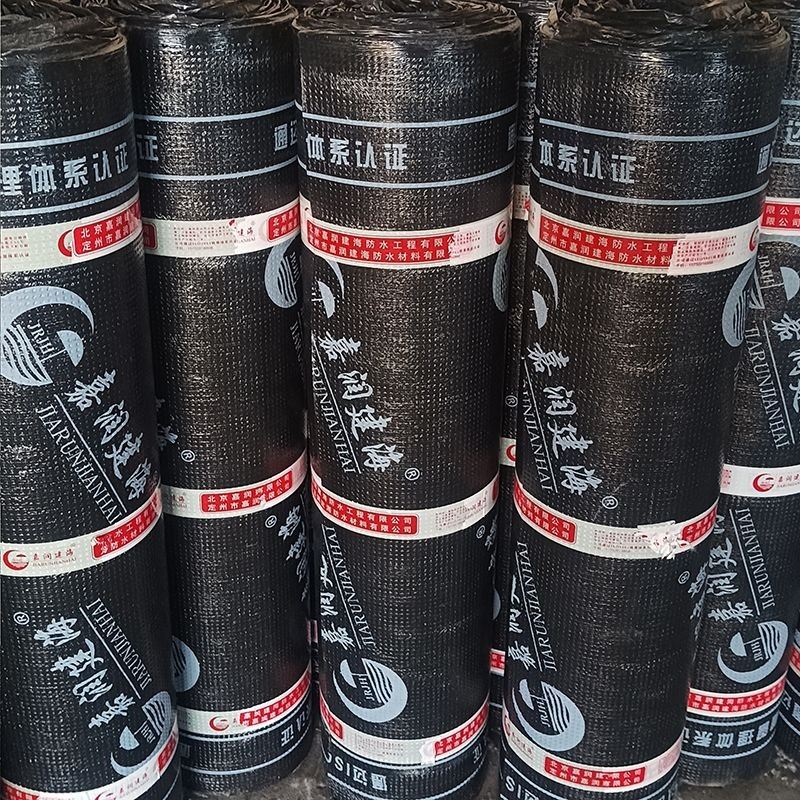
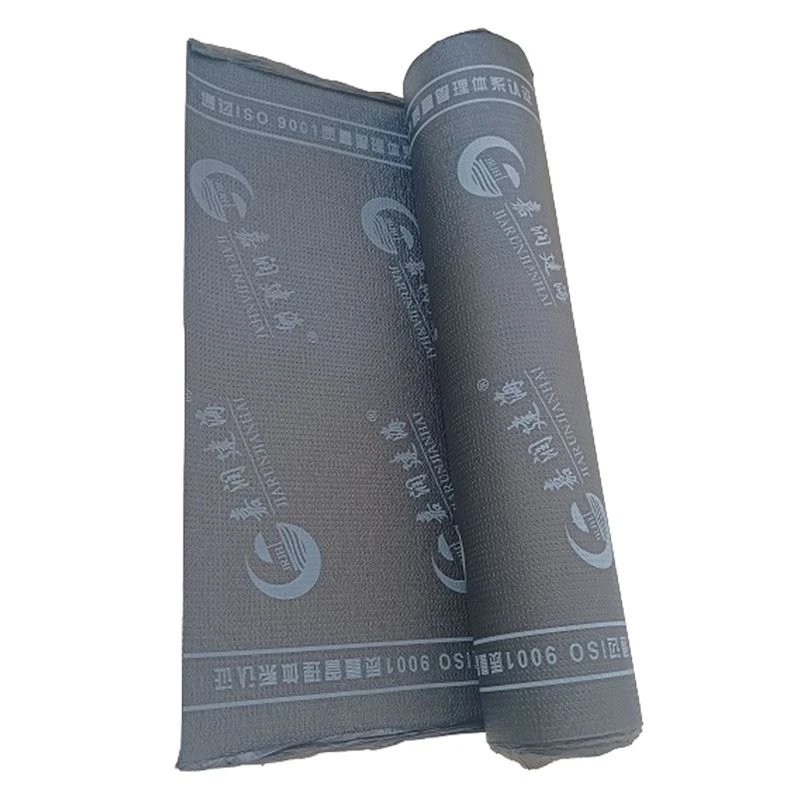
Basement Floor Membrane is an essential product for protecting basements and underground structures near roads. It provides a reliable barrier against water infiltration, preventing damage to the structure and ensuring a dry environment.
APP Modified Bituminous Waterproofing Membrane is widely used in roofing and waterproofing applications for road - side buildings and structures. Its high - performance properties make it suitable for withstanding harsh environmental conditions and providing long - term waterproofing protection.
Self Adhesive Roofing Waterproof Membrane is a convenient and effective solution for roofing waterproofing. It can be easily installed and provides a seamless waterproofing layer, protecting buildings from water damage.
Conclusion and Call to Action
Geotextile stabilization fabric has a wide range of applications in road construction, from separation and filtration to reinforcement and erosion control. Its versatility and effectiveness make it an indispensable material in modern road projects. As a reliable geotextile stabilization fabric supplier, we are committed to providing high - quality products and excellent service.
If you are involved in a road construction project or any other construction project that requires geotextile stabilization fabric or related waterproofing products, we invite you to contact us for a detailed discussion. We can provide you with the best solutions tailored to your specific needs.
References
- Koerner, R. M. (2012). Designing with Geosynthetics. Pearson.
- Giroud, J. P. (2016). Geosynthetics: Design and Construction. CRC Press.
- American Society for Testing and Materials (ASTM). (2020). Standards related to geotextiles and geosynthetics in construction.