

Can Neoprene Bitumen Primer be used in wet conditions?
Jul 21, 2026
Leave a message
Wondering if Neoprene Bitumen Primer can be used in wet conditions? As a Neoprene Bitumen Primer supplier, I've had plenty of customers ask this question. Let's dig into it and see if this product can hold up in a less - than - ideal, moist environment.
Understanding Neoprene Bitumen Primer
First off, let's get a basic understanding of what Neoprene Bitumen Primer is. It's a special type of primer that combines the properties of neoprene, a synthetic rubber, and bitumen, a sticky, black, and highly viscous liquid. This combination gives the primer excellent adhesion and waterproofing qualities. It's often used in construction projects to prepare surfaces before applying a waterproofing membrane or other coatings.
The neoprene in the primer provides flexibility and resistance to abrasion, while the bitumen offers good waterproofing and weathering resistance. Together, they create a primer that can bond well to a variety of surfaces, including concrete, metal, and wood.
The Impact of Wet Conditions on Neoprene Bitumen Primer
Adhesion Issues
One of the main concerns when using any primer in wet conditions is adhesion. For Neoprene Bitumen Primer, wet surfaces can pose a real problem. When the surface is wet, there's a thin layer of water between the primer and the substrate. This water can prevent the primer from properly bonding to the surface. As a result, the primer may peel or flake off over time, especially when exposed to stress or movement.
For example, if you're applying the primer to a concrete floor that's damp from recent rain or a spill, the water on the surface can act as a barrier. The primer won't be able to penetrate the pores of the concrete as it should, and the bond will be weak.
Curing Problems
Another issue is curing. Curing is the process by which the primer dries and hardens. In wet conditions, the presence of water can slow down or even prevent the curing process. Neoprene Bitumen Primer typically cures through a combination of evaporation and chemical reactions. When there's too much water around, the evaporation process is hindered.
Moreover, the excess water can interfere with the chemical reactions that occur during curing. This can lead to a primer that remains soft and sticky for an extended period or doesn't fully cure at all. An uncured primer won't provide the expected level of protection and durability.
Long - Term Performance
Using Neoprene Bitumen Primer in wet conditions can also affect its long - term performance. Even if the primer appears to adhere well initially, the presence of water can cause corrosion or degradation over time. For instance, if applied to metal surfaces in wet conditions, the water can promote rust formation under the primer. This not only weakens the bond between the primer and the metal but also reduces the overall lifespan of the coating system.
Exceptions and Special Situations
While it's generally not recommended to use Neoprene Bitumen Primer in wet conditions, there are some exceptions. Some advanced formulations of the primer have been designed to tolerate a certain level of moisture on the surface. These primers often contain special additives that help displace water and enhance adhesion in damp environments.
However, even with these advanced formulations, the surface still needs to be relatively dry. The moisture level should be within the limits specified by the manufacturer. If the surface is soaking wet, it's still a bad idea to apply the primer.
Alternatives for Wet Conditions
If you're dealing with wet conditions and need to waterproof or prepare a surface, there are some alternatives to Neoprene Bitumen Primer.
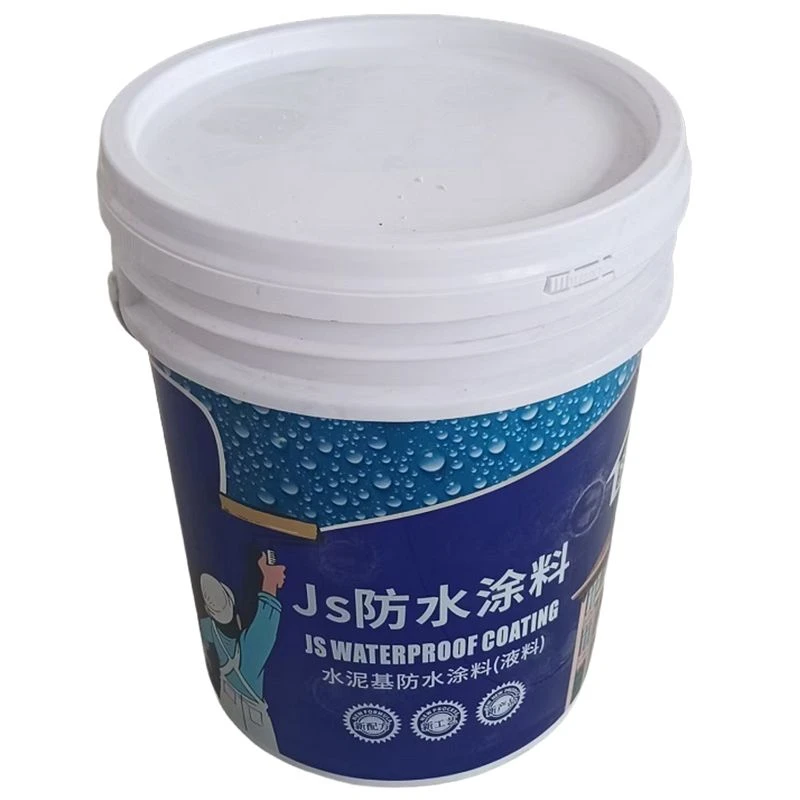
Polymer Cement Based Waterproof Coating
One option is the Polymer Cement Based Waterproof Coating. This type of coating can be applied to damp surfaces and still provides good waterproofing. It's made from a combination of polymers and cement, which gives it the ability to bond well to wet substrates.
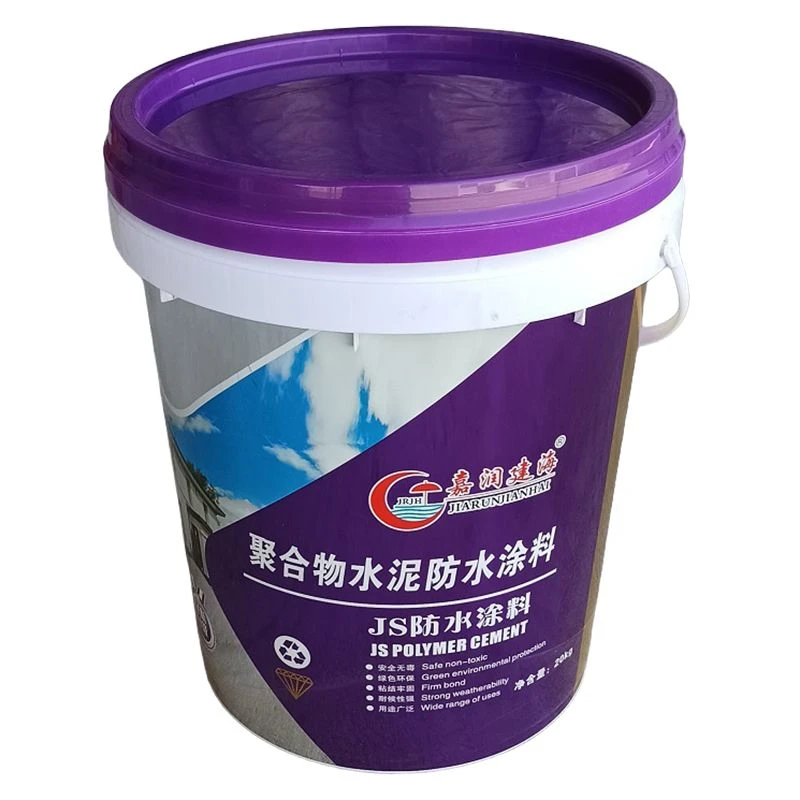
Polymer Cement Waterproof Coating
Another alternative is the Polymer Cement Waterproof Coating. Similar to the above, it can tolerate some moisture on the surface. It's often used in basements, bathrooms, and other areas where dampness is common.
Waterproof Coating for Metal
If you're working on metal surfaces in wet conditions, the Waterproof Coating for Metal is a great choice. It's formulated to protect metal from corrosion and water damage, even in less - than - perfect weather conditions.
Our Products and Recommendations
As a Neoprene Bitumen Primer supplier, I always recommend following the manufacturer's guidelines. If your project involves a wet surface, it's best to wait until the surface is dry before applying our Neoprene Bitumen Primer. This ensures the best possible performance and longevity of the coating system.
However, if you're in a hurry or can't wait for the surface to dry, we can also provide information about our alternative products that are suitable for wet conditions. Our team of experts is always available to help you choose the right product for your specific needs.
Conclusion and Contact
In conclusion, while Neoprene Bitumen Primer is a great product for many applications, it's generally not suitable for use in wet conditions. The issues with adhesion, curing, and long - term performance make it a risky choice. But don't worry, there are alternatives available that can get the job done even in damp environments.
If you're interested in purchasing Neoprene Bitumen Primer or any of our other waterproofing products, or if you have more questions about using them in different conditions, feel free to reach out. We're here to assist you with all your waterproofing needs and help you find the best solutions for your projects.
References
- Construction Materials Handbook: A Guide to Selection and Use.
- Waterproofing Technology and Applications Journal.