

What is the maximum pressure that butyl self adhesive tape can withstand?
Aug 11, 2026
Leave a message
When it comes to the world of sealing solutions, Butyl Self Adhesive Tape has firmly established itself as a versatile and reliable option. As a leading supplier of Butyl Self Adhesive Tape, I am frequently asked about its capabilities, especially regarding the maximum pressure it can withstand. In this blog, we'll delve into the science behind this tape, explore its pressure - bearing limits, and understand how it stands up in various applications.
Understanding Butyl Self Adhesive Tape
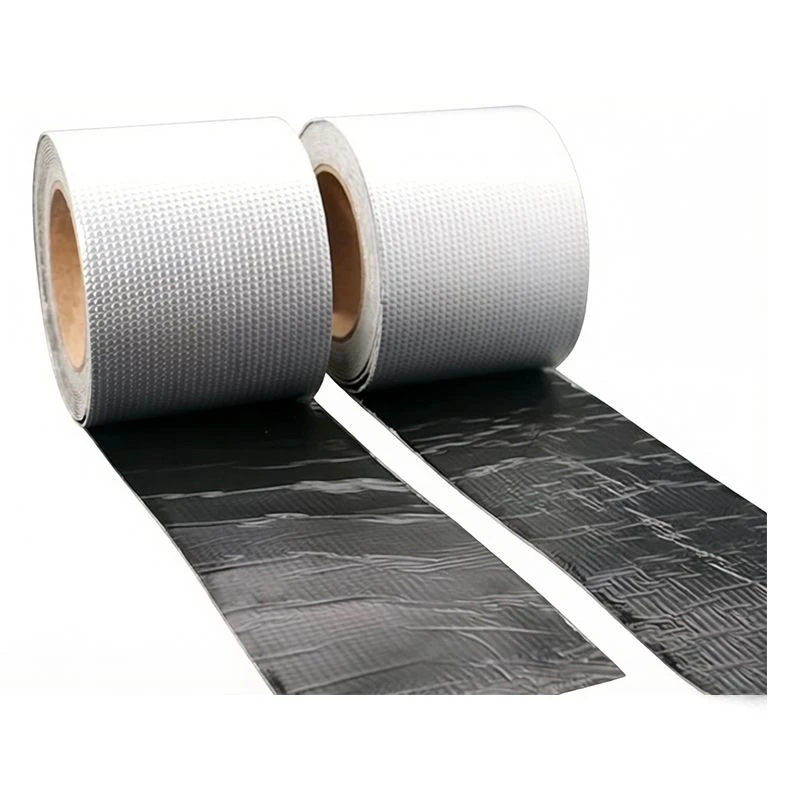
Butyl Self Adhesive Tape is a product crafted from butyl rubber, a synthetic elastomer. This material is known for its excellent flexibility, tackiness, and impermeability to water and air. It comes with a self - adhesive backing, which makes it easy to apply to a wide range of surfaces, including metals, plastics, glass, and concrete.
The tape's composition gives it unique properties that make it suitable for multiple industries. It is commonly used in construction for sealing joints, windows, and doors to prevent water infiltration and air leakage. In the automotive industry, it is used for soundproofing, vibration damping, and sealing electrical connections. The Butyl Self Adhesive Tape we supply is engineered to meet the highest standards of quality and performance.
Factors Affecting the Pressure Resistance of Butyl Self Adhesive Tape
The maximum pressure that Butyl Self Adhesive Tape can withstand is not a fixed value. It depends on several key factors:
Tape Thickness
Thicker tapes generally have a higher pressure - bearing capacity. A thicker layer of butyl rubber can distribute the applied pressure more evenly and resist deformation better. For example, a tape with a thickness of 3mm may be able to withstand more pressure compared to a 1mm thick tape. This is because the additional material provides more elasticity and a larger surface area for pressure distribution.
Surface Preparation
The way the surface is prepared before applying the tape plays a crucial role. A clean, dry, and smooth surface allows the tape to adhere properly. Any dirt, grease, or moisture on the surface can reduce the adhesive strength of the tape, which in turn affects its pressure resistance. If the tape does not bond well to the surface, it may start to peel off or fail under relatively low pressure.
Temperature
Temperature has a significant impact on the performance of Butyl Self Adhesive Tape. At lower temperatures, the butyl rubber becomes stiffer, which can reduce its flexibility and ability to conform to the surface. This may lead to a decrease in pressure resistance as the tape may crack or break under stress. On the other hand, at higher temperatures, the tape may become too soft, causing it to flow or lose its shape, also resulting in a reduced ability to withstand pressure.
Application Time
The time elapsed since the tape was applied also matters. Immediately after application, the tape may not have reached its full adhesive strength. As time passes and the tape fully adheres to the surface, its pressure - bearing capacity increases. This is because the adhesive has more time to bond with the surface molecules.
Measuring the Maximum Pressure
Determining the maximum pressure that Butyl Self Adhesive Tape can withstand is a complex process. It often involves laboratory testing using specialized equipment. One common method is the compression test. In this test, a sample of the tape is placed between two flat plates, and a gradually increasing pressure is applied until the tape fails. The pressure at which the tape fails is recorded as its maximum pressure resistance under those specific test conditions.
Another test is the shear test. In a shear test, the tape is subjected to a force parallel to its surface. This simulates the real - world scenario where the tape may be exposed to forces that try to slide the bonded surfaces relative to each other. The maximum shear stress the tape can withstand before failure is measured.
Real - World Applications and Pressure Requirements
Construction
In construction applications, Butyl Self Adhesive Tape is often used for sealing expansion joints. These joints are designed to accommodate the movement of building materials due to temperature changes, settlement, or seismic activity. The tape needs to withstand the pressure created by the expansion and contraction of the joint. For example, in a large commercial building, the expansion joints may experience pressures ranging from a few kilopascals to tens of kilopascals, depending on the size of the building and the local environmental conditions.
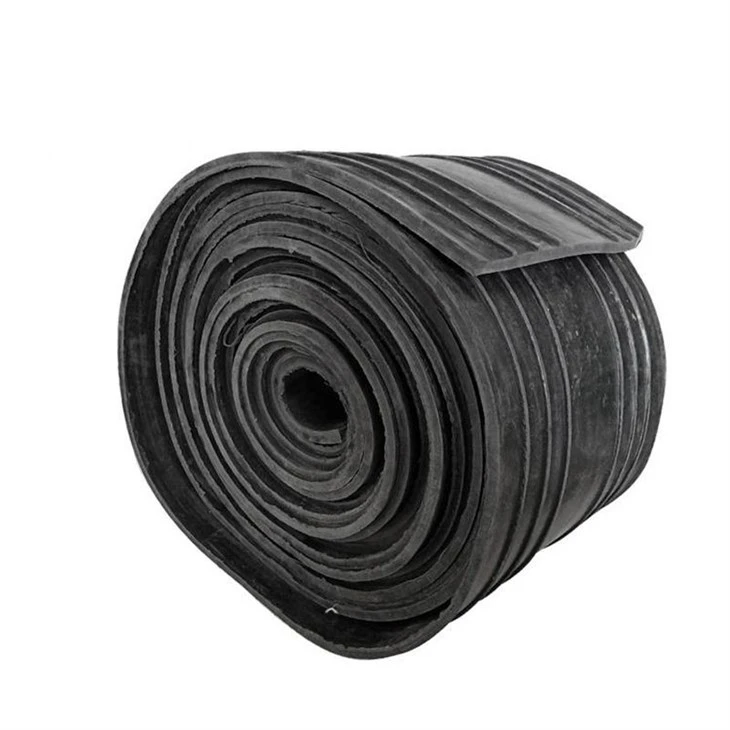
The Flexible Water Stop is a type of product related to Butyl Self Adhesive Tape that is commonly used in construction. It is designed to prevent water penetration in areas such as basements, swimming pools, and tunnels. These applications require the tape to withstand both hydrostatic pressure from the water and mechanical pressure from the surrounding structures.
Automotive
In the automotive industry, Butyl Self Adhesive Tape is used for sealing body panels, doors, and windows. It needs to withstand the pressure changes due to the movement of the vehicle, air pressure variations at different speeds, and the impact of vibration. For example, when a car is traveling at high speeds, the tape on the body panels needs to resist the aerodynamic forces acting on the vehicle. In addition, the tape used in electrical connections needs to withstand the pressure from the housing and any vibrations that may occur during normal driving.
Our Commitment as a Supplier
As a supplier of Butyl Self Adhesive Tape, we understand the importance of providing high - quality products that can meet the pressure requirements of various applications. Our R & D team is constantly working on improving the performance of our tapes. We conduct rigorous testing to ensure that our tapes have the appropriate pressure - bearing capacity under different conditions.
We also offer technical support to our customers. Our experts can help you choose the right type of tape based on your specific pressure requirements, surface conditions, and application environment. Whether you are working on a small DIY project or a large - scale industrial construction, we can provide you with the best - suited Butyl Self Adhesive Tape.
Conclusion
The maximum pressure that Butyl Self Adhesive Tape can withstand is influenced by multiple factors, including tape thickness, surface preparation, temperature, and application time. Through proper testing and quality control, we, as a supplier, are able to offer tapes that can meet the diverse pressure requirements in different industries.
If you are in need of Butyl Self Adhesive Tape for your project, we are here to assist you. Our team of professionals can provide you with detailed product information and help you make the right choice. We invite you to contact us for further discussions on your procurement needs. We look forward to working with you to find the perfect sealing solution for your application.
References
- ASTM International standards for adhesive tape testing
- Technical literature on butyl rubber and its applications
- Industry reports on sealing solutions in construction and automotive sectors