
What is the maximum water pressure that a flexible water stop can withstand?
Aug 07, 2026
Leave a message
As a supplier of Flexible Water Stops, I often encounter inquiries about the maximum water pressure these products can withstand. This question is crucial for various applications, from construction to industrial projects. In this blog, we will delve into the factors that determine the water - pressure resistance of flexible water stops and explore how our Flexible Water Stop can meet different requirements.
Understanding Flexible Water Stops
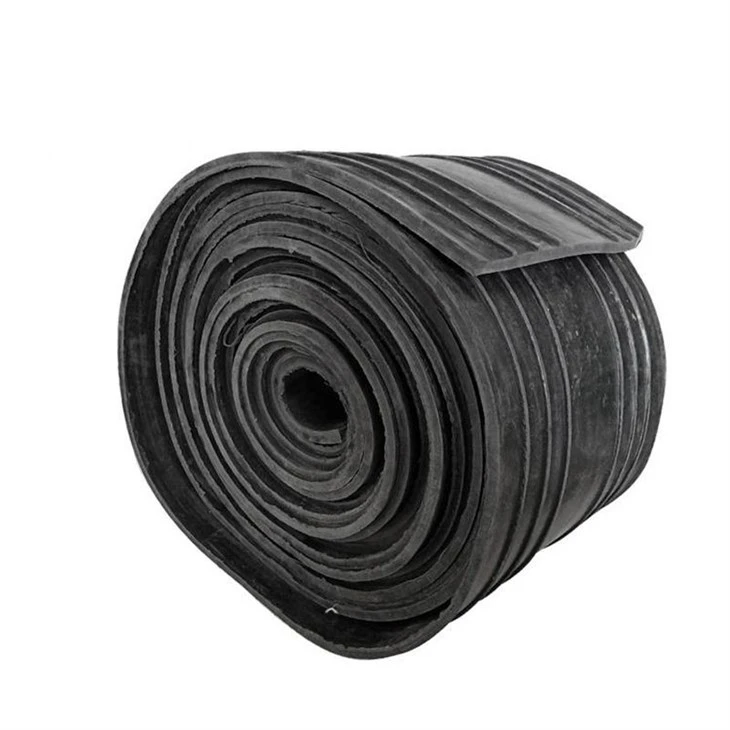
Flexible water stops are essential components used to prevent the passage of water in joints and seams. They are typically made from materials such as rubber, PVC, or other polymers, which offer flexibility and durability. These materials are designed to adapt to the movement of the structure while maintaining a watertight seal.
The primary function of a flexible water stop is to create a barrier against water penetration. This is especially important in structures like basements, tunnels, dams, and swimming pools, where water leakage can cause significant damage. By effectively sealing joints and seams, flexible water stops help to protect the integrity of the structure and prevent water - related problems such as corrosion, mold growth, and structural failure.
Factors Affecting the Maximum Water Pressure
Several factors influence the maximum water pressure that a flexible water stop can withstand. Understanding these factors is essential for selecting the right product for your specific application.
Material Properties
The material used to manufacture the flexible water stop plays a significant role in its water - pressure resistance. Different materials have different physical and chemical properties that affect their ability to resist water pressure.
For example, rubber is a popular choice for flexible water stops due to its high elasticity and excellent sealing properties. Natural rubber and synthetic rubbers such as neoprene and EPDM offer good resistance to water, chemicals, and weathering. These materials can stretch and compress without losing their sealing ability, making them suitable for applications where there is movement in the structure.
PVC (polyvinyl chloride) is another commonly used material for flexible water stops. PVC is known for its rigidity, chemical resistance, and low cost. While it may not be as flexible as rubber, PVC water stops can still provide effective water sealing in applications where the movement of the structure is limited.
The quality of the material also matters. High - quality materials are typically more durable and can withstand higher water pressures. Inferior materials may degrade over time, leading to a loss of sealing performance and reduced water - pressure resistance.
Design and Geometry
The design and geometry of the flexible water stop also impact its ability to withstand water pressure. The shape, size, and cross - section of the water stop can affect the distribution of stress and the effectiveness of the seal.
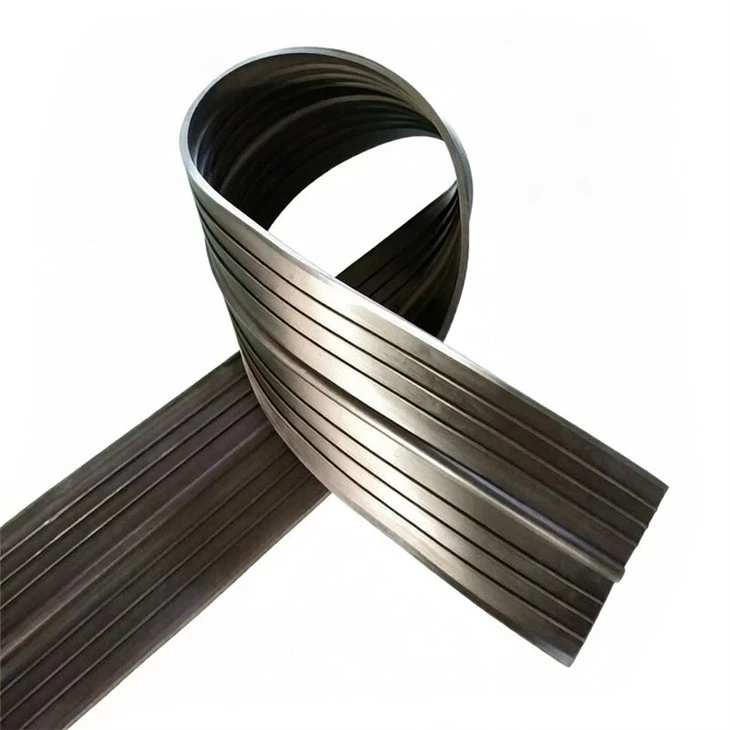
For instance, a water stop with a larger cross - section generally has a higher water - pressure resistance than one with a smaller cross - section. This is because a larger cross - section can provide more material to resist the force of the water. Similarly, a well - designed water stop with features such as ribs or grooves can enhance the sealing performance by increasing the contact area between the water stop and the structure.
The installation method also plays a role. A properly installed water stop ensures a tight seal and uniform distribution of stress. If the water stop is not installed correctly, it may be more prone to leakage and may not be able to withstand the intended water pressure.
Environmental Conditions
The environmental conditions in which the flexible water stop is used can affect its water - pressure resistance. Factors such as temperature, humidity, and exposure to chemicals or UV radiation can all have an impact on the performance of the water stop.
Extreme temperatures can cause the material of the water stop to expand or contract, which may affect its sealing ability. For example, in cold temperatures, rubber may become brittle and lose its elasticity, reducing its ability to withstand water pressure. High humidity can also lead to the growth of mold and mildew, which can damage the water stop over time.
Exposure to chemicals or UV radiation can cause the material of the water stop to degrade. Chemicals such as acids, alkalis, and solvents can react with the material, weakening its structure and reducing its water - pressure resistance. UV radiation can cause the material to become brittle and crack, leading to leakage.
Testing the Water - Pressure Resistance
To determine the maximum water pressure that a flexible water stop can withstand, various testing methods are available. These tests are designed to simulate real - world conditions and evaluate the performance of the water stop under different levels of water pressure.
One common testing method is the hydrostatic pressure test. In this test, the water stop is installed in a test fixture and subjected to increasing levels of water pressure. The pressure is gradually increased until the water stop starts to leak. The maximum pressure at which the water stop remains watertight is recorded as its water - pressure resistance.
Another testing method is the cyclic pressure test. This test simulates the repeated application of water pressure, which can occur in structures such as dams or water treatment plants. The water stop is subjected to a series of pressure cycles, and its performance is evaluated based on its ability to maintain a seal over time.
Our Flexible Water Stops
At our company, we offer a wide range of Flexible Water Stop products designed to meet different water - pressure requirements. Our water stops are made from high - quality materials and are designed to provide reliable and long - lasting sealing performance.
We use advanced manufacturing techniques to ensure the consistency and quality of our products. Our water stops are available in various shapes, sizes, and materials to suit different applications. Whether you need a water stop for a small residential project or a large industrial structure, we have the right solution for you.
In addition to our flexible water stops, we also offer Butyl Self Adhesive Tape which can be used as an additional sealing solution. Butyl self - adhesive tape is known for its excellent adhesion and waterproofing properties. It can be used to seal joints and seams in combination with our flexible water stops to provide enhanced water protection.
Conclusion
The maximum water pressure that a flexible water stop can withstand depends on several factors, including material properties, design and geometry, and environmental conditions. By understanding these factors and selecting the right product for your specific application, you can ensure effective water sealing and protect your structure from water - related damage.
As a leading supplier of Flexible Water Stops, we are committed to providing high - quality products and excellent customer service. If you have any questions about our products or need help selecting the right water stop for your project, please do not hesitate to contact us. We are here to assist you in finding the best solution for your water - sealing needs and look forward to discussing potential procurement opportunities with you.
References
- ASTM International. (Year). Standard Test Methods for Rubber Products.
- American Concrete Institute. (Year). Guidelines for Water Stop Installation in Concrete Structures.
- Manufacturer's product literature on Flexible Water Stops and Butyl Self Adhesive Tape.