

Does Neoprene Bitumen Primer have good adhesion?
Aug 19, 2026
Leave a message
Hey there! As a supplier of Neoprene Bitumen Primer, I often get asked, "Does Neoprene Bitumen Primer have good adhesion?" Well, let's dive right into it and find out.
First off, let me give you a bit of background on Neoprene Bitumen Primer. It's a specialized product that combines the properties of neoprene, a synthetic rubber known for its flexibility and resistance to various elements, with bitumen, a sticky, black, and highly viscous liquid derived from petroleum. This unique combination makes it a popular choice for a wide range of applications, especially in the field of waterproofing.
Now, let's talk about adhesion. Adhesion is the ability of a material to stick to another surface. In the case of Neoprene Bitumen Primer, good adhesion is crucial. Why? Because when you're using it for waterproofing, you want it to form a strong bond with the surface you're applying it to. This ensures that the waterproofing layer stays in place and effectively prevents water from seeping through.
One of the key factors that contribute to the good adhesion of Neoprene Bitumen Primer is its chemical composition. The neoprene in the primer has a high affinity for many different types of surfaces, including concrete, metal, and wood. It can form strong molecular bonds with these surfaces, creating a tight seal. The bitumen, on the other hand, acts as a binder, helping to hold the neoprene in place and providing additional adhesion.
Another reason why Neoprene Bitumen Primer has good adhesion is its application process. When applied correctly, the primer can penetrate the surface pores of the substrate, creating a mechanical bond in addition to the chemical bond. This dual bonding mechanism significantly enhances the adhesion strength. For example, when applying the primer to a concrete surface, it can seep into the tiny pores in the concrete, locking it in place and preventing it from peeling or flaking off.
Let's take a look at some real - world examples to illustrate the good adhesion of Neoprene Bitumen Primer. In a recent project, we supplied our Neoprene Bitumen Primer for a basement waterproofing job. The surface was a rough concrete wall that was prone to water seepage. After applying the primer and then a layer of Interior Waterproof Coating, the waterproofing system held up extremely well. There were no signs of the primer or the coating peeling off, even after several months of exposure to high humidity and occasional water contact.
In another case, we used our primer on a metal roof. Metal roofs are often exposed to harsh weather conditions, including rain, wind, and extreme temperatures. The Neoprene Bitumen Primer provided excellent adhesion to the metal surface, ensuring that the subsequent layer of Non Curing Rubber Bitumen Coating stayed firmly in place. This helped to prevent water leaks and extended the lifespan of the roof.
However, it's important to note that achieving good adhesion with Neoprene Bitumen Primer isn't always a guarantee. There are several factors that can affect its adhesion performance. One of the most important factors is surface preparation. If the surface isn't clean and free of dirt, grease, and loose particles, the primer won't be able to form a strong bond. For example, if you're applying the primer to a concrete floor that has oil stains on it, the primer may not adhere properly. So, it's essential to thoroughly clean and, if necessary, roughen the surface before applying the primer.
The environmental conditions during application also play a role. Neoprene Bitumen Primer works best in moderate temperatures and low humidity. If it's too cold, the primer may not dry properly, which can affect its adhesion. On the other hand, if it's too hot and humid, the primer may dry too quickly, leading to a weak bond.
Another factor is the thickness of the primer application. Applying the primer too thickly or too thinly can both have a negative impact on adhesion. A proper thickness ensures that the primer can form a uniform and strong bond with the surface.
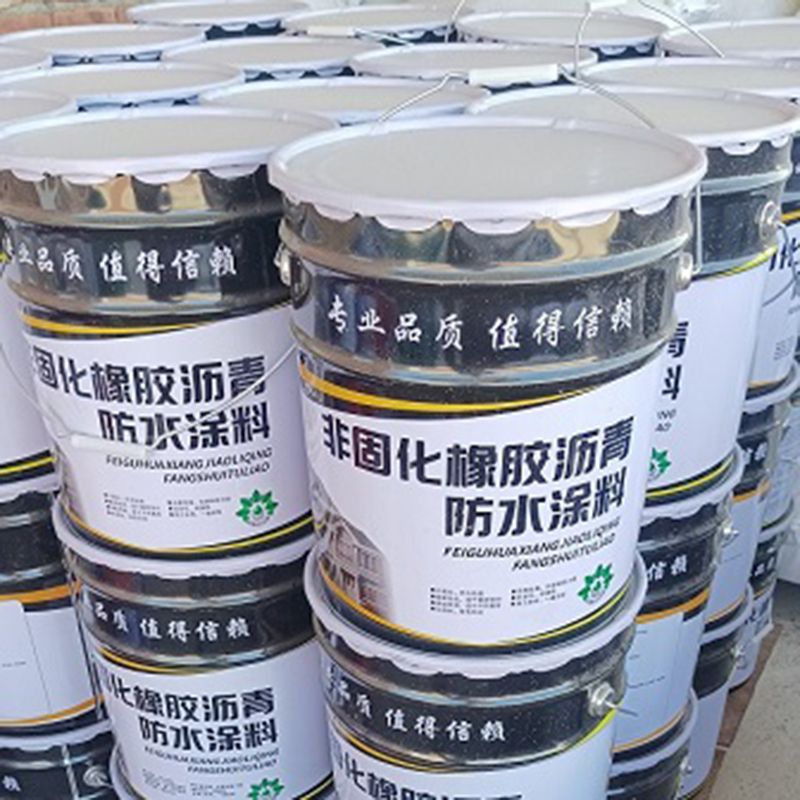
Now, let's talk about some of the benefits of using Neoprene Bitumen Primer because of its good adhesion. Firstly, it provides long - term waterproofing. Since it adheres well to the surface, the waterproofing layer it helps to create is more durable and less likely to fail over time. This means less maintenance and repair work for you.
Secondly, it can be used in a variety of applications. Whether you're waterproofing a basement, a roof, or a swimming pool, the good adhesion of Neoprene Bitumen Primer makes it a versatile choice. You can use it in combination with other waterproofing products, such as High Viscosity Anti Slip Waterproof Coating, Slab Leakage Paint, or Leak Proof Paint for Terrace, to create a comprehensive waterproofing system.
In conclusion, Neoprene Bitumen Primer generally has good adhesion, thanks to its unique chemical composition and the way it interacts with different surfaces. However, to ensure the best results, proper surface preparation, appropriate environmental conditions, and correct application techniques are essential.
If you're in the market for a high - quality Neoprene Bitumen Primer or any of our other waterproofing products, I'd love to have a chat with you. We can discuss your specific needs and how our products can meet them. Don't hesitate to reach out for a quote or to start a conversation about your project.
References:
- "Handbook of Adhesion Technology" by S. Davidovits
- "Waterproofing Materials and Systems" by various authors in the construction industry