

Does waterproof membrane have anti - slip properties?
Aug 20, 2026
Leave a message
Hey there! As a supplier of waterproof membranes, I often get asked a bunch of questions about our products. One question that pops up quite frequently is, "Does waterproof membrane have anti - slip properties?" Well, let's dig into this topic and find out.
First off, let's understand what a waterproof membrane is. A waterproof membrane is a layer of material that's designed to prevent water from passing through. It's used in a wide range of applications, from roofing to basements, bathrooms, and even swimming pools. There are different types of waterproof membranes available in the market, and each has its own unique features and properties.
Types of Waterproof Membranes and Their Anti - Slip Potential
Cross Laminate Reactive Membrane
The Cross Laminate Reactive Membrane is a popular choice for many construction projects. This membrane is known for its high - strength and excellent waterproofing capabilities. But what about anti - slip? Well, it depends on the surface finish of the membrane. Some cross - laminate reactive membranes come with a textured surface. The texture provides friction, which can significantly improve the anti - slip performance. For example, in areas like balconies or walkways where there's a risk of water accumulation, a textured cross - laminate reactive membrane can be a great option to prevent slips and falls.
Self Adhesive Roofing Waterproof Membrane
The Self Adhesive Roofing Waterproof Membrane is mainly used for roofing applications. It's easy to install, and it forms a tight seal to keep water out. When it comes to anti - slip, most self - adhesive roofing membranes are smooth. Smooth surfaces generally have less friction, which means they're more slippery, especially when wet. However, some manufacturers offer self - adhesive membranes with an anti - slip coating. This coating adds a rougher texture to the surface, increasing the friction and making it safer to walk on, even in wet conditions.
PE PP Composite Waterproof Membrane
PE PP Composite Waterproof Membrane is made from a combination of polyethylene (PE) and polypropylene (PP). These membranes are lightweight and have good chemical resistance. In terms of anti - slip, similar to other membranes, the surface finish matters. If it has a smooth finish, it might be slippery, but if it's embossed or has a special anti - slip treatment, it can offer better traction. For instance, in a warehouse floor where there might be some water spillage, an anti - slip PE PP composite waterproof membrane can be used to enhance safety.
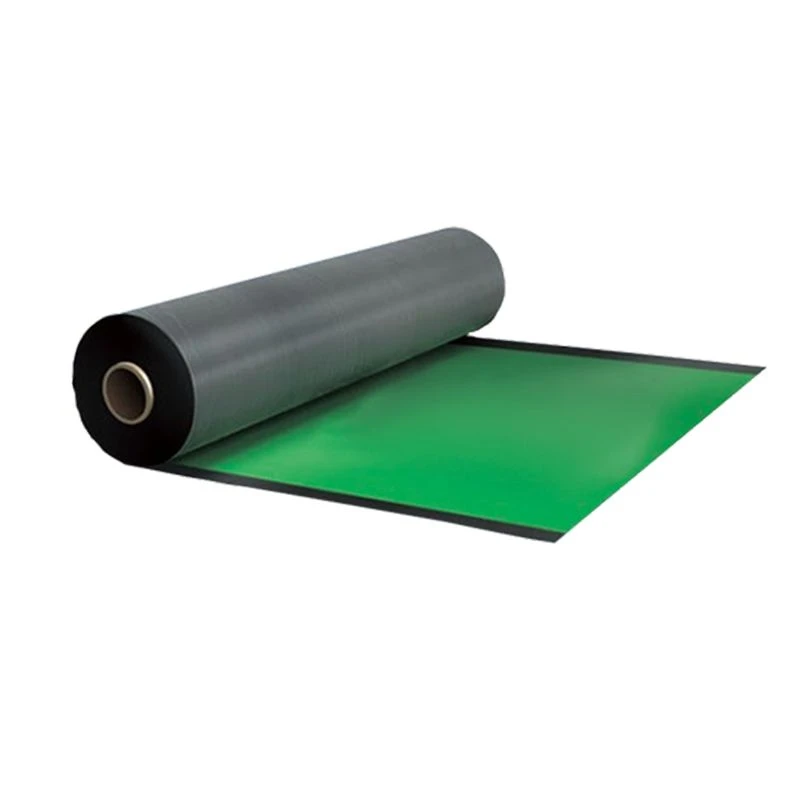
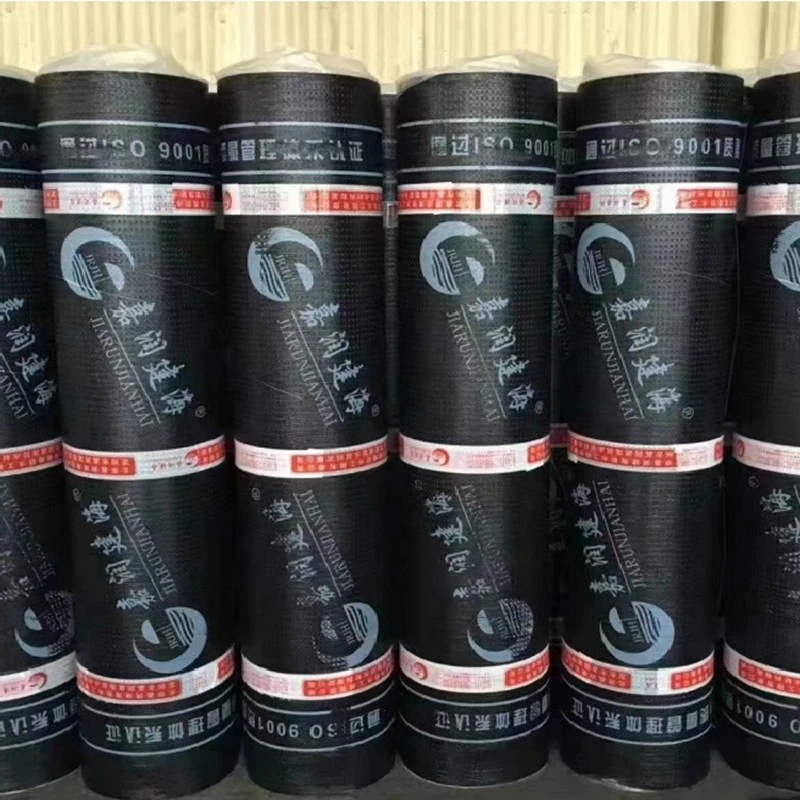
APP Modified Bituminous Waterproofing Membrane
The APP Modified Bituminous Waterproofing Membrane is a common choice for flat roofs. It has good flexibility and weather resistance. The surface of an APP modified bituminous membrane can vary. Some are smooth, which can be slippery, especially when exposed to rain or dew. But there are also versions with a granular or mineral surface. These surfaces provide more friction and are less likely to cause slips. So, if you're looking for a waterproof membrane for a roof that people might need to access, a granular APP modified bituminous membrane could be a smart choice.
Sbs Modified Bitumen Membrane
SBS Modified Bitumen Membrane is another popular roofing membrane. It has excellent elasticity and durability. Similar to other membranes, the anti - slip property depends on the surface. A smooth SBS modified bitumen membrane can be slippery, but if it has a rough or anti - slip finish, it can offer better grip. For example, on a rooftop terrace where people will be walking around, an anti - slip SBS modified bitumen membrane can make the area safer.
Factors Affecting Anti - Slip Properties
Surface Texture
As I've mentioned a few times, the surface texture is a major factor in determining the anti - slip properties of a waterproof membrane. A textured surface provides more contact points with the shoes or feet, increasing the friction. Textures can be created through embossing, adding granules, or applying an anti - slip coating.
Wet Conditions
Water can significantly reduce the friction between a surface and the shoes. Even a membrane with good anti - slip properties in dry conditions can become slippery when wet. That's why it's important to choose a membrane that's designed to maintain its anti - slip performance in wet conditions. Some membranes are treated with special chemicals that help to repel water and maintain friction even when wet.
Contaminants
Contaminants like dirt, oil, or grease can also affect the anti - slip properties of a waterproof membrane. These substances can create a thin layer on the surface, reducing the friction. Regular cleaning and maintenance of the membrane can help to keep it in good anti - slip condition.
Assessing Anti - Slip Performance
When you're considering a waterproof membrane for an area where anti - slip is important, it's a good idea to look at the slip resistance rating. The slip resistance is usually measured using a coefficient of friction (COF). A higher COF value indicates better anti - slip performance. You can ask the membrane manufacturer for the COF rating of their product.
Another way to assess the anti - slip performance is to test the membrane in a real - world or simulated environment. For example, you can walk on the membrane in wet conditions to get a feel for how slippery it is. However, this should be done with caution to avoid any accidents.
Why Anti - Slip Matters
Anti - slip properties are crucial in many applications. In areas like bathrooms, kitchens, and swimming pool decks, there's a high risk of water spills. A non - slip waterproof membrane can prevent slips and falls, which can lead to serious injuries. In commercial buildings, such as shopping malls or office buildings, providing a safe walking surface is not only important for the well - being of the occupants but also for legal reasons. If someone slips and gets injured on a slippery surface, the property owner could be held liable.
Conclusion
So, does waterproof membrane have anti - slip properties? The answer is it depends. Different types of waterproof membranes have different potential for anti - slip performance. The surface texture, wet conditions, and contaminants all play a role in determining how slippery a membrane is. As a supplier, we offer a variety of waterproof membranes, some with excellent anti - slip properties and some that can be treated to improve their anti - slip performance.
If you're in the market for a waterproof membrane and anti - slip is a concern, don't hesitate to reach out to us. We can help you choose the right product for your specific needs. Whether it's for a small home project or a large commercial construction, we've got you covered. Let's have a chat about your requirements and find the perfect waterproof membrane for you.
References
- Building Codes and Standards related to Slip Resistance
- Manufacturer's product specifications for waterproof membranes
- Research studies on the friction and slip resistance of building materials