

How to apply interior waterproof coating?
Oct 13, 2026
Leave a message
Applying interior waterproof coating is a crucial step in protecting your home or building from water damage. As a supplier of interior waterproof coatings, I've seen firsthand how a proper application can make a huge difference. In this blog, I'm gonna walk you through the process of applying interior waterproof coating, sharing some tips and tricks along the way.
Why Use Interior Waterproof Coating?
Before we dive into the application process, let's talk about why you need interior waterproof coating. Water seepage can cause a whole bunch of problems, like mold growth, structural damage, and even health issues. An interior waterproof coating acts as a barrier between the water and your walls or floors, preventing any water from getting in. It's a relatively easy and cost - effective way to safeguard your property.
Types of Interior Waterproof Coatings
There are several types of interior waterproof coatings out there, and each has its own pros and cons.
- Water - based Coatings: These are easy to apply, clean up with water, and have low VOC (volatile organic compound) emissions, which is great for indoor air quality. They're suitable for most interior surfaces.
- Solvent - based Coatings: They offer excellent durability and water resistance. However, they have higher VOC emissions, so proper ventilation is a must.
- Polymer Cement Based Waterproof Coating: This type combines the strength of cement with the flexibility of polymers. It's ideal for areas prone to movement, like bathrooms and kitchens.
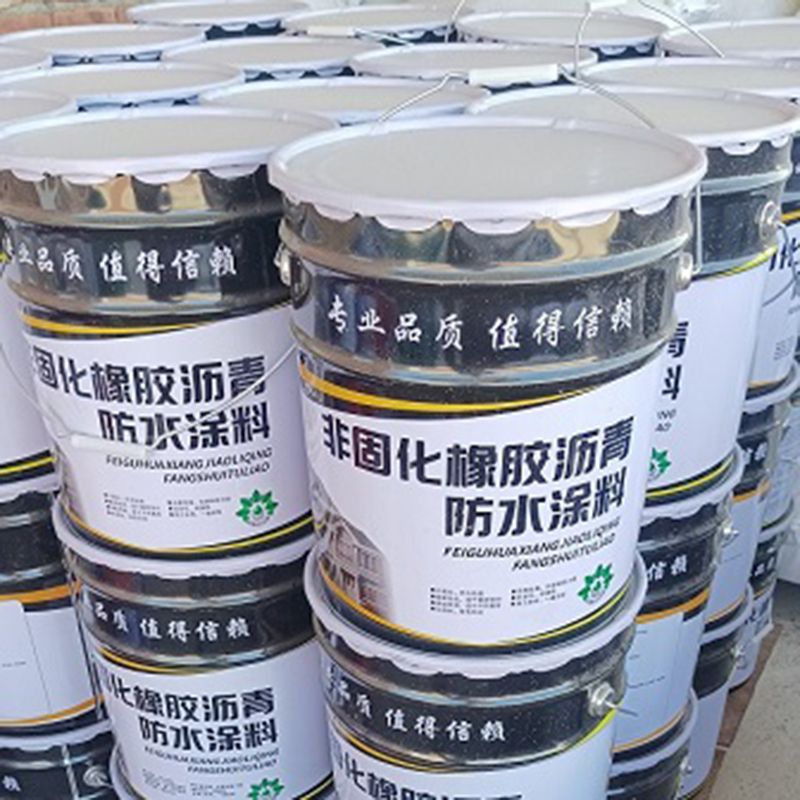
- Non Curing Rubber Bitumen Coating: It provides a long - lasting, flexible seal. It's often used in basements and other areas where there's a risk of water seepage through cracks.
Preparing for Application
Proper preparation is key to a successful application of interior waterproof coating.
Surface Cleaning
First, you gotta clean the surface thoroughly. Remove any dirt, dust, grease, or loose paint. You can use a wire brush, a scraper, or a pressure washer for this. For stubborn stains, you might need to use a mild detergent. Make sure the surface is completely dry before moving on to the next step.
Surface Repair
Inspect the surface for any cracks, holes, or other damages. Fill these using an appropriate filler. For small cracks, you can use a caulk. For larger holes, you might need a patching compound. Let the filler dry completely according to the manufacturer's instructions.
Priming
In some cases, you'll need to apply a primer before the waterproof coating. A primer helps the coating adhere better to the surface and improves the overall performance of the waterproofing system. Choose a primer that's compatible with your coating and follow the application instructions on the label.
Applying the Interior Waterproof Coating
Now that the surface is ready, it's time to apply the coating.
Tools
You'll need a few tools for the job, including a paintbrush, a roller, or a sprayer, depending on the type of coating and the size of the area you're working on. A paintbrush is great for cutting in around edges and corners, while a roller can cover large areas quickly. A sprayer can provide an even finish, but it requires more skill and proper equipment setup.
Application Process
- Stir the Coating: Before you start applying the coating, make sure to stir it well. This ensures that all the ingredients are evenly mixed.
- Start with Edges and Corners: Use a paintbrush to apply the coating along the edges and corners of the surface. This helps to ensure that these areas are properly covered.
- Roll or Spray the Coating: Once the edges are done, use a roller or a sprayer to apply the coating to the rest of the surface. Apply the coating in thin, even layers. Don't try to apply too much at once, as this can lead to drips and uneven drying.
- Multiple Coats: In most cases, you'll need to apply at least two coats of the waterproof coating. Let the first coat dry completely before applying the second coat. The drying time can vary depending on the type of coating, temperature, and humidity. Check the manufacturer's instructions for the recommended drying time.
Special Considerations for Different Areas
- Bathrooms and Kitchens: These areas are exposed to a lot of water, so it's important to use a high - quality waterproof coating. Pay special attention to areas around sinks, showers, and bathtubs. You might also want to consider using a Polymer Cement Based Waterproof Coating in these areas for added flexibility and durability.
- Basements: Basements are prone to water seepage, especially if there's groundwater. A Non Curing Rubber Bitumen Coating can be a great choice for basement waterproofing. Make sure to seal any cracks in the foundation walls before applying the coating.
- Metal Surfaces: If you're waterproofing metal surfaces, you can use a Waterproof Coating for Metal. This type of coating provides corrosion resistance in addition to waterproofing.
After - Application Care
Once you've applied the interior waterproof coating, there are a few things you need to do to ensure the best results.
- Let it Cure: Give the coating enough time to cure completely. This can take several days, depending on the type of coating and environmental conditions. Avoid exposing the coated surface to water or heavy traffic during the curing period.
- Inspect Regularly: Periodically inspect the coated surface for any signs of damage or wear. If you notice any issues, repair them as soon as possible to maintain the effectiveness of the waterproofing.
Conclusion
Applying interior waterproof coating is not as difficult as it might seem. By following these steps, you can protect your property from water damage and extend its lifespan. As a supplier of high - quality interior waterproof coatings, I'm here to help you find the right product for your needs. Whether you're waterproofing a small bathroom or a large basement, we have a solution for you. If you're interested in our products or have any questions about the application process, feel free to contact us for a purchase discussion. We're looking forward to working with you to keep your property dry and safe.
References
- Professional Paint and Coatings Guidebooks
- Manufacturer's Instructions for Interior Waterproof Coatings