

What are the common problems with underground water tank waterproofing paint?
Oct 12, 2026
Leave a message
Hey there! I'm a supplier of underground water tank waterproofing paint, and today I wanna chat about the common problems you might run into with this stuff.
First off, let's talk about adhesion issues. One of the biggest headaches with underground water tank waterproofing paint is getting it to stick properly. The surface of the tank can be tricky. It might have dust, oil, or moisture on it. If you don't prep the surface right, the paint won't bond well. We've all seen it - after a while, the paint starts to peel or flake off. That's a major problem because once the paint is no longer adhered to the tank, water can seep through those gaps.
To make sure the paint adheres well, you've gotta clean the tank surface thoroughly. Remove all the dirt, grease, and any loose particles. You might also need to smooth out rough areas. If there are cracks or holes, fill them up before applying the paint. Using a good primer can also help improve adhesion. For example, some of our Water Based Polyurethane Waterproof Coating works really well with a compatible primer, and it creates a strong bond between the paint and the tank surface.
Another problem is blistering. Blisters in the paint can form for a few reasons. One common cause is moisture trapped beneath the paint. When the paint is applied over a damp surface, the moisture tries to escape as the paint dries. This creates little pockets of air, which show up as blisters. High humidity during the painting process can also lead to blistering. If the air is too moist, the paint might not dry properly, and blisters can start to appear.
To avoid blistering, it's crucial to paint when the conditions are right. Check the weather forecast and make sure the humidity is within the recommended range for the paint you're using. If the tank is a bit damp, you can use a dehumidifier or let it dry out completely before painting. Our Polymer Cement Waterproof Coating has some good resistance to blistering, but proper application conditions are still key.
Cracking is also a major concern. Over time, the underground water tank might experience some settling or movement. This can put stress on the paint layer, causing it to crack. temperature changes can also play a role. If the tank is exposed to extreme heat or cold, the paint can expand and contract, leading to cracks.
To prevent cracking, you need a paint that's flexible. Our Elastomeric Cementitious Waterproofing Coating is a great option because it can stretch and move with the tank. This helps it withstand the stress from settling and temperature variations. Also, make sure to apply the paint in the right thickness. If it's too thin, it won't be able to handle the stress, and if it's too thick, it might crack as it dries.
Now, let's talk about chemical compatibility. The water in the tank might contain various chemicals, like chlorine, salts, or acids. If the waterproofing paint isn't compatible with these chemicals, it can break down over time. For example, some paints might react with chlorine in the water, causing the paint to lose its waterproofing properties.
When choosing a paint, make sure to check its chemical resistance. Our team can help you pick the right paint based on the type of water and chemicals in your tank. We've got different products that are designed to resist different chemicals. For instance, our Waterproof Coating for Metal is formulated to be resistant to many common chemicals found in water, making it a good choice for metal underground water tanks.
UV degradation is also a thing, even though the tank is underground. Sometimes, if there are any openings or if the tank is not completely covered, the paint can be exposed to UV rays. UV light can break down the paint molecules, causing it to fade, lose flexibility, and eventually lose its waterproofing ability.
To protect against UV degradation, you can choose a paint with UV inhibitors. Many of our products are designed to have some level of UV resistance. Also, make sure to keep the tank properly covered to minimize UV exposure.
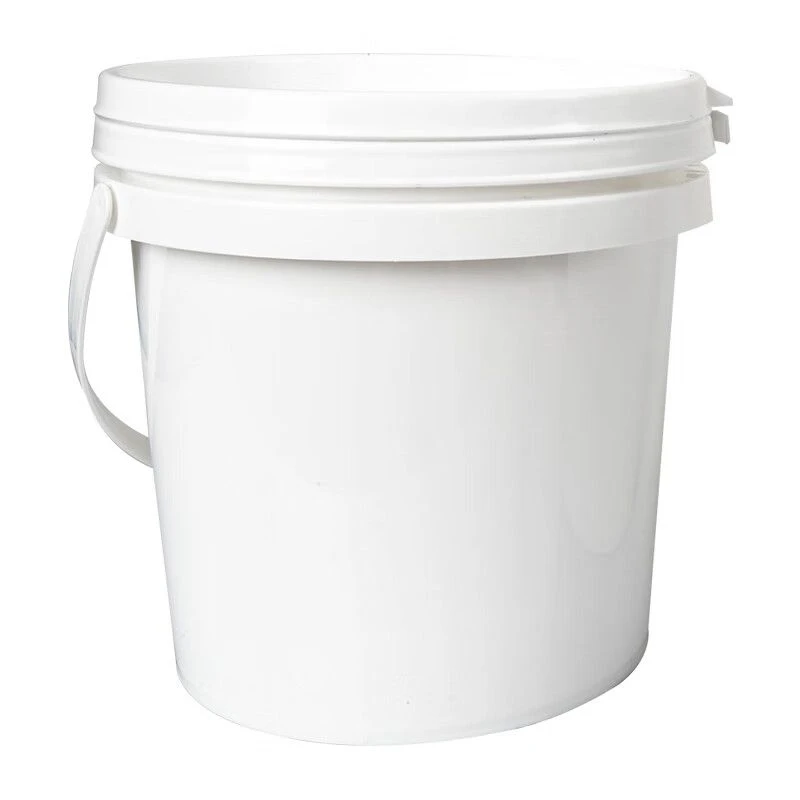
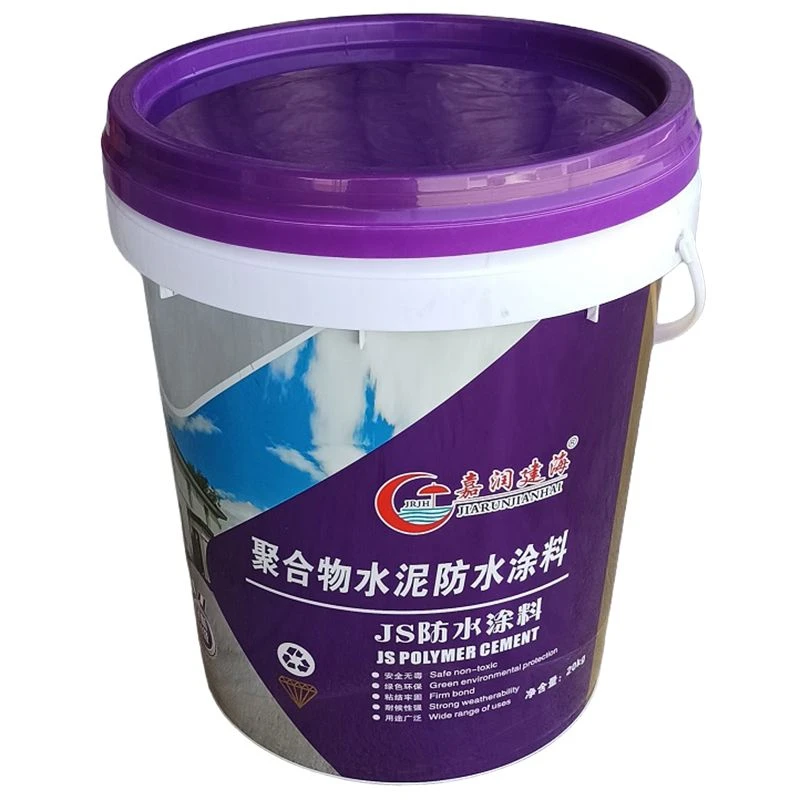
Poor durability is another common problem. The paint might start to wear out quickly, especially if the tank is used frequently or if there's a lot of water flow. Abrasion from debris in the water or the movement of water can damage the paint.
We offer high - quality paints that are made to be durable. Our paints are tested to withstand different levels of water flow and abrasion. For example, our Leak Proof Paint for Terrace has good durability, and it can also be used in some underground water tank applications where durability is key.
If you're facing any of these issues with underground water tank waterproofing paint, or if you're looking for a reliable product to avoid these problems in the first place, don't hesitate to reach out. We're here to help you choose the right paint for your specific needs. Whether it's a small residential tank or a large commercial one, we've got the expertise and the products to ensure your tank stays watertight.
In conclusion, understanding these common problems with underground water tank waterproofing paint can help you make better decisions when it comes to choosing and applying the paint. By taking the right precautions and using the right products, you can avoid a lot of headaches and ensure the long - term performance of your tank's waterproofing. If you're interested in learning more or making a purchase, just contact us, and we'll be happy to talk about your requirements.
References
- Product research and testing reports from our in - house quality control team
- Industry knowledge and best practices from years of experience in the waterproofing paint business