

How to prevent sealing tape from curling?
Oct 09, 2026
Leave a message
Sealing tapes are indispensable in various industries, from construction to packaging. However, one common issue that users often encounter is the curling of sealing tapes. As a sealing tape supplier, I understand the frustration this can cause and am here to share some effective strategies to prevent sealing tape from curling.
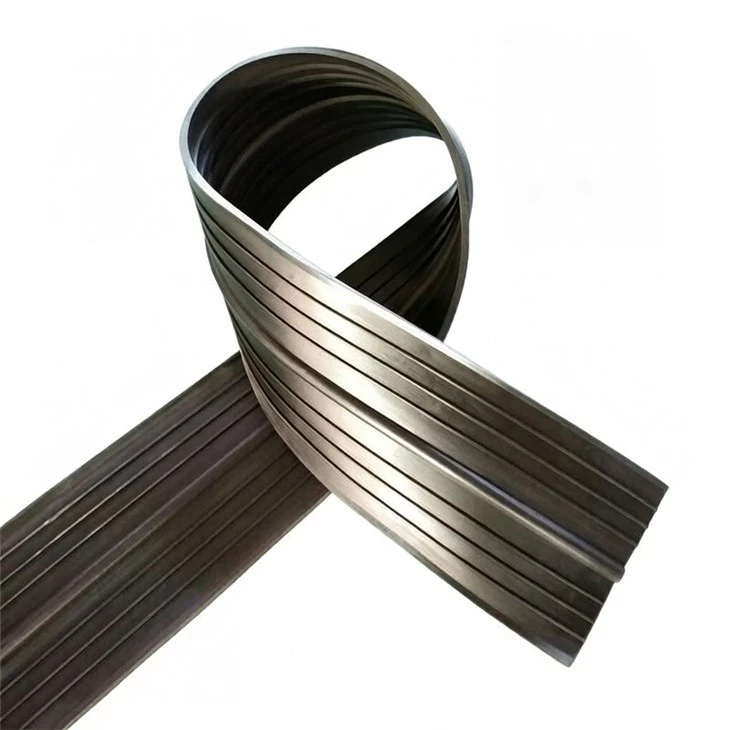
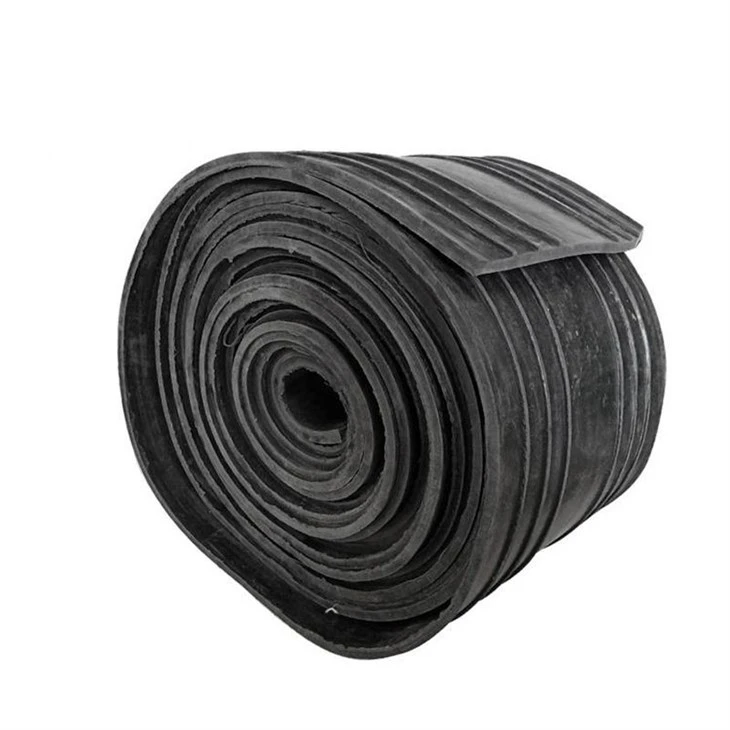
Understanding the Causes of Tape Curling
Before delving into prevention methods, it's crucial to understand why sealing tape curls. Several factors can contribute to this problem:
- Environmental Conditions: Temperature and humidity play a significant role in tape behavior. High temperatures can cause the adhesive to soften, leading to curling. Conversely, low temperatures can make the tape brittle, increasing the likelihood of curling. Humidity can also affect the adhesive's performance, causing it to lose its stickiness and curl.
- Storage Conditions: Improper storage can also lead to tape curling. Storing tapes in direct sunlight or in a humid environment can damage the adhesive and cause the tape to curl. Additionally, storing tapes in a tight roll for an extended period can cause the tape to retain its curled shape.
- Tape Quality: The quality of the tape itself can also affect its tendency to curl. Low-quality tapes may have a weaker adhesive or a less durable backing, making them more prone to curling.
Prevention Strategies
Now that we understand the causes of tape curling, let's explore some effective prevention strategies:
- Choose the Right Tape: Selecting the appropriate tape for your application is crucial. Consider the environmental conditions, the surface you'll be applying the tape to, and the specific requirements of your project. For example, if you're working in a high-temperature environment, choose a tape with a heat-resistant adhesive. If you need a tape for outdoor use, look for one with UV resistance. Butyl Self Adhesive Tape is a great option for many applications, as it offers excellent adhesion and weather resistance.
- Store Tapes Properly: Proper storage is essential to prevent tape curling. Store tapes in a cool, dry place away from direct sunlight. Avoid storing tapes in a tight roll for an extended period. Instead, store them in a flat position or on a spool. If you need to store tapes for a long time, consider using a tape storage container to protect them from dust and moisture.
- Prepare the Surface: Before applying the tape, make sure the surface is clean, dry, and free of debris. Use a clean cloth or a mild detergent to clean the surface. Allow the surface to dry completely before applying the tape. A clean surface will ensure better adhesion and reduce the likelihood of curling.
- Apply the Tape Correctly: When applying the tape, make sure to apply it evenly and smoothly. Start at one end of the surface and slowly unroll the tape, pressing it firmly against the surface as you go. Use a roller or a squeegee to ensure good contact between the tape and the surface. Avoid stretching the tape, as this can cause it to curl.
- Use a Backing Material: In some cases, using a backing material can help prevent tape curling. A backing material provides additional support and stability to the tape, reducing the likelihood of curling. For example, if you're using a thin tape, you can apply it to a thicker backing material, such as a plastic sheet or a paperboard.
- Control the Environment: If possible, control the environmental conditions during tape application. Keep the temperature and humidity within the recommended range for the tape. If you're working in a high-temperature environment, use a cooling system to lower the temperature. If you're working in a humid environment, use a dehumidifier to reduce the humidity.
Additional Tips
Here are some additional tips to help prevent tape curling:
- Cut the Tape to the Right Length: Before applying the tape, cut it to the right length. Avoid cutting the tape too long, as this can cause it to curl. If you need to use a long piece of tape, cut it into smaller sections and apply them one by one.
- Avoid Overlapping the Tape: When applying multiple pieces of tape, avoid overlapping them. Overlapping the tape can cause it to curl and reduce its adhesion. Instead, apply the tape end-to-end, leaving a small gap between each piece.
- Use a Tape Dispenser: Using a tape dispenser can help ensure even application and reduce the likelihood of curling. A tape dispenser allows you to control the speed and tension of the tape, making it easier to apply it smoothly.
- Test the Tape: Before using the tape on a large surface, test it on a small area to make sure it adheres properly and doesn't curl. This will help you identify any potential issues and make adjustments as needed.
Conclusion
Preventing sealing tape from curling requires a combination of proper tape selection, storage, surface preparation, and application techniques. By following the strategies and tips outlined in this blog post, you can minimize the likelihood of tape curling and ensure a successful sealing application. As a sealing tape supplier, I'm committed to providing high-quality tapes and expert advice to help you achieve the best results. If you have any questions or need further assistance, please don't hesitate to contact us to discuss your procurement needs.
References
- ASTM International. (2021). Standard Test Methods for Pressure-Sensitive Tapes. ASTM D3330/D3330M-21.
- Tape Manufacturers Association International. (2020). Tape Technical Handbook.
Remember, choosing the right sealing tape and following the proper application techniques are key to preventing curling and ensuring a reliable seal. If you're interested in learning more about our sealing tape products, such as Flexible Water Stop, or have any specific requirements for your project, feel free to reach out to us for a detailed discussion. We look forward to working with you to meet your sealing needs.