
Is sealing tape resistant to UV rays?
Sep 10, 2026
Leave a message
Hey there! As a sealing tape supplier, I often get asked a bunch of questions about our products. One question that pops up quite a bit is, "Is sealing tape resistant to UV rays?" Well, let's dig into this topic and find out.
First off, it's important to understand what UV rays are and why they matter when it comes to sealing tape. UV rays are a form of electromagnetic radiation from the sun. They can be pretty harsh on materials over time. When sealing tape is exposed to UV rays, it can cause a few problems. The tape might start to break down, lose its adhesive properties, or change in color. This can be a real bummer, especially if you're using the tape for outdoor applications.
Now, not all sealing tapes are created equal when it comes to UV resistance. Some tapes are specifically designed to withstand UV rays, while others are more suited for indoor use. Let's take a look at the different types of sealing tapes and how they fare against UV.
Butyl Self Adhesive Tape
One of the popular types of sealing tapes we offer is the Butyl Self Adhesive Tape. This tape is great for a lot of applications, especially those that require a strong seal and some flexibility. But how does it do in the face of UV rays?
Butyl self - adhesive tape has a decent level of UV resistance. The butyl rubber material that it's made of has some natural properties that help it withstand the sun's rays. It won't break down as quickly as some other tapes when exposed to UV. However, it's not completely immune. Over a long period of time, say a few years, you might notice some minor changes in the tape. The adhesive might start to get a bit less sticky, and the tape could become a bit more brittle.
If you're using the Butyl Self Adhesive Tape outdoors, it's a good idea to take some precautions. You can cover the tape with a UV - resistant coating or use it in an area where it's not directly exposed to the sun all day long. This way, you can extend the life of the tape and ensure that it continues to do its job effectively.
Flexible Water Stop
Another product in our lineup is the Flexible Water Stop. This tape is mainly used for sealing joints and preventing water leakage, especially in construction projects. And when it comes to UV resistance, it has its own characteristics.
The Flexible Water Stop is designed to be durable and flexible. It has a certain level of UV resistance built into it. The materials used in its construction are chosen to withstand environmental factors, including UV rays. However, just like the Butyl Self Adhesive Tape, it's not invincible.
In a high - UV environment, the Flexible Water Stop might experience some degradation over time. The flexibility of the tape could be affected, and it might start to lose its ability to form a tight seal. To mitigate this, it's important to follow the installation guidelines carefully. Make sure the tape is properly installed and protected from excessive UV exposure.
Factors Affecting UV Resistance
There are a few factors that can affect how well a sealing tape resists UV rays. One of the main factors is the material of the tape. As we've seen with the Butyl Self Adhesive Tape and the Flexible Water Stop, different materials have different levels of natural UV resistance.
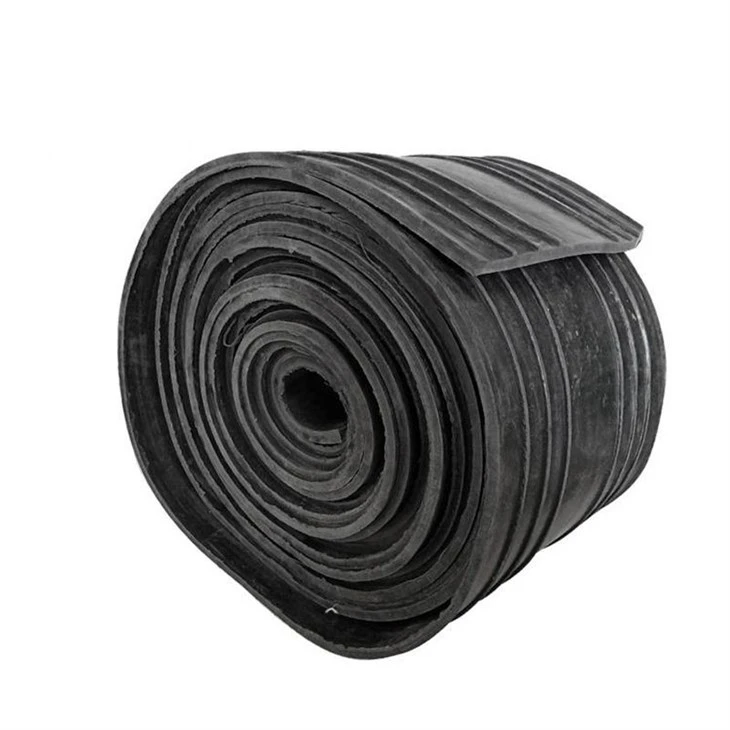
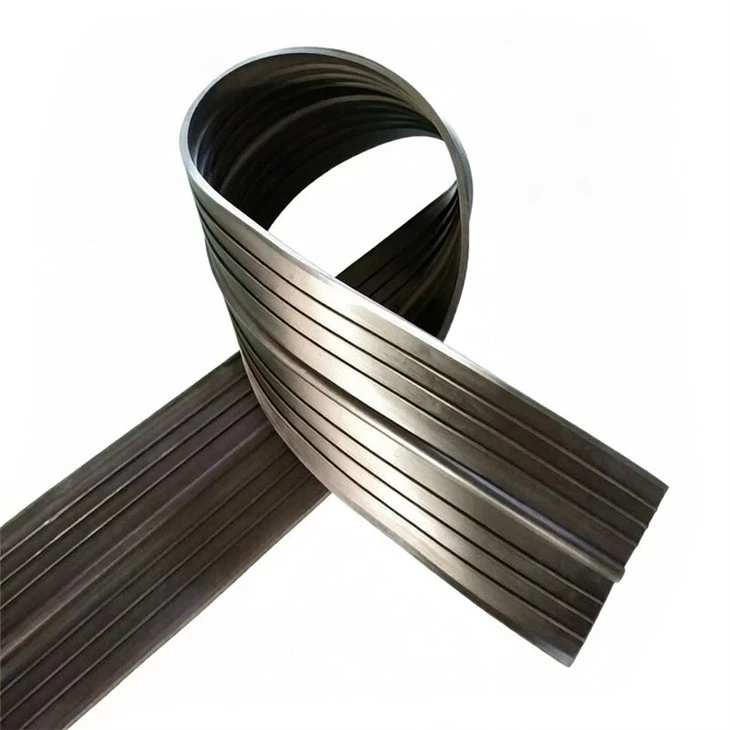
The thickness of the tape also plays a role. Thicker tapes generally have better UV resistance because they have more material to absorb and block the UV rays. The color of the tape can matter too. Darker colors tend to absorb more UV rays, which can lead to faster degradation. So, if you're looking for a tape that will be exposed to a lot of sun, a lighter - colored tape might be a better choice.
The manufacturing process is another important factor. Tapes that are made with high - quality materials and advanced manufacturing techniques are more likely to have better UV resistance. At our company, we take great care in the manufacturing process to ensure that our tapes have the best possible performance, including UV resistance.
Testing for UV Resistance
We don't just claim that our tapes are UV - resistant; we test them. We use a variety of methods to test the UV resistance of our sealing tapes. One common method is to expose the tapes to artificial UV light in a laboratory setting. We can control the intensity and duration of the UV exposure to simulate real - world conditions.
After the exposure, we evaluate the tapes for any changes. We look at things like the adhesive strength, the flexibility, and the color of the tape. If the tape passes our tests, we can be confident that it will perform well in outdoor applications.
Tips for Using Sealing Tape in UV - Prone Areas
If you're planning to use sealing tape in an area with a lot of UV exposure, here are some tips to keep in mind:
- Choose the right tape: Make sure you select a tape that is specifically designed for outdoor use and has good UV resistance. Our Butyl Self Adhesive Tape and Flexible Water Stop are great options.
- Proper installation: Follow the installation instructions carefully. A well - installed tape is more likely to resist UV damage.
- Use protective coatings: Consider using a UV - resistant coating over the tape to provide an extra layer of protection.
- Regular inspection: Check the tape regularly for any signs of damage or degradation. If you notice any issues, replace the tape as soon as possible.
Conclusion
So, is sealing tape resistant to UV rays? The answer is that it depends on the type of tape. Some tapes, like our Butyl Self Adhesive Tape and Flexible Water Stop, have a decent level of UV resistance, but they're not completely immune. By understanding the factors that affect UV resistance and taking the right precautions, you can ensure that your sealing tape performs well in outdoor applications.
If you're in the market for high - quality sealing tape with good UV resistance, we'd love to hear from you. Whether you're working on a small DIY project or a large construction job, we have the right tape for you. Reach out to us to discuss your needs and let's start a great business relationship.
References
- ASTM International. (2023). Standard Test Methods for Evaluating the Resistance of Sealants to Weathering.
- Smith, J. (2022). The Effects of UV Radiation on Polymer - Based Materials. Journal of Materials Science.