

Is it okay to use a roller for applying Neoprene Bitumen Primer?
Sep 09, 2026
Leave a message
Alright, folks! As a supplier of Neoprene Bitumen Primer, I often get asked if it's okay to use a roller for applying this stuff. So, I'm gonna break it down for you right here and now.
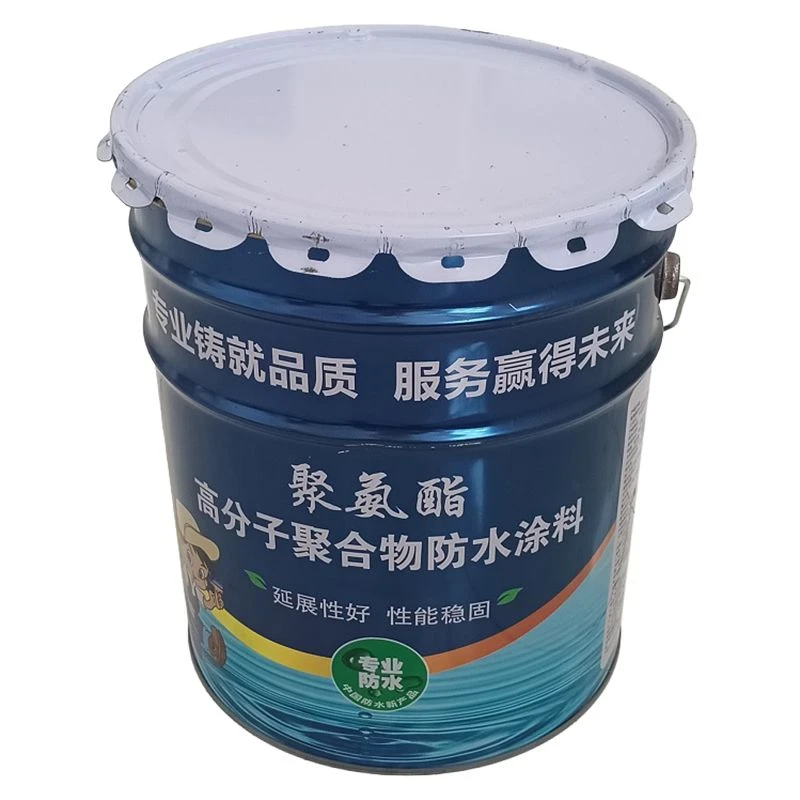
First off, let's talk a bit about Neoprene Bitumen Primer. It's a pretty nifty product. It's designed to prepare surfaces before you apply a waterproofing membrane or other bituminous products. It helps the final coating adhere better to the surface, and it also seals any tiny pores or cracks that might let water seep through.
Now, onto the big question: Can you use a roller to apply it? The short answer is yes, you can. But like with most things, there are pros and cons to consider.
The Pros of Using a Roller
One of the biggest advantages of using a roller is that it's relatively easy to use. You don't need a whole lot of fancy equipment or skills. Just dip the roller in the primer, roll it out evenly on the surface, and you're good to go. It's a pretty straightforward process, even for DIYers who are new to waterproofing projects.
Rollers also provide a fairly smooth and even application. They can cover large areas quickly, which is great if you're working on a big project like a basement floor or a large roof. And because the roller spreads the primer in a thin, consistent layer, it can help ensure that the final waterproofing coating adheres properly.
Another plus is that rollers are generally more affordable than some other application methods. You can pick up a good-quality roller at your local hardware store for a relatively low price. And if it gets dirty or worn out, you can just throw it away and buy a new one.
The Cons of Using a Roller
However, there are also some drawbacks to using a roller. One of the main issues is that it can be difficult to get into tight corners and edges. Rollers are great for flat, open surfaces, but when it comes to those hard-to-reach spots, they might not be the best option. You might end up with uneven coverage in these areas, which could lead to problems down the road.
Rollers can also leave behind roller marks or ridges on the surface. While these might not affect the performance of the primer too much, they can be a bit unsightly, especially if you're applying a clear or light-colored topcoat later on.
Another potential problem is that rollers can sometimes cause air bubbles to form in the primer. This can happen if you're rolling too fast or applying too much pressure. Air bubbles can weaken the bond between the primer and the surface, and they can also create small pockets where water can collect.
Tips for Using a Roller to Apply Neoprene Bitumen Primer
If you decide to use a roller to apply your Neoprene Bitumen Primer, here are some tips to help you get the best results:
- Choose the right roller: Make sure you use a roller that's designed for use with bituminous products. Look for a roller with a medium to high nap (the length of the fibers on the roller cover). This will help ensure that the primer is applied evenly and that you don't leave behind any streaks or marks.
- Prepare the surface: Before you start applying the primer, make sure the surface is clean, dry, and free of any debris or loose material. You might need to use a wire brush or a pressure washer to clean the surface thoroughly.
- Test the primer: Before you start rolling out the primer on the entire surface, it's a good idea to test it on a small, inconspicuous area first. This will help you make sure that the primer adheres properly and that you're happy with the way it looks.
- Apply the primer in thin layers: It's better to apply the primer in several thin layers rather than one thick layer. This will help ensure that the primer dries evenly and that there are no air bubbles or ridges.
- Work in small sections: To avoid getting uneven coverage or roller marks, it's a good idea to work in small sections at a time. Roll out the primer in a smooth, even motion, and make sure to overlap each section slightly.
- Let the primer dry completely: Before you apply the final waterproofing coating, make sure the primer has dried completely. This can take anywhere from a few hours to a few days, depending on the temperature and humidity.
Other Application Methods
While using a roller is a popular option for applying Neoprene Bitumen Primer, it's not the only one. Here are some other methods you might want to consider:
- Brush: Using a brush is a good option if you need to get into tight corners and edges. Brushes can also provide a more precise application, which can be useful if you're working on a small or detailed project.
- Spray: Spraying the primer is a fast and efficient way to cover large areas. However, it can be a bit messy, and you need to make sure you have the proper equipment and ventilation.
- Trowel: If you're applying the primer to a vertical surface or if you need to fill in large cracks or holes, using a trowel might be the best option. Trowels can provide a thick, even layer of primer, and they can help ensure that the primer fills in all the gaps.
Our Other Waterproofing Products
As a supplier of Neoprene Bitumen Primer, we also offer a range of other waterproofing products to meet your needs. Here are some of our popular products:
- Cementitious Crystalline Waterproof Coating: This coating is designed to penetrate into the concrete or masonry surface and form a permanent waterproof barrier. It's ideal for use in basements, swimming pools, and other areas where water resistance is important.
- Waterproof Coating for Concrete Water Tanks: This coating is specifically formulated to protect concrete water tanks from leaks and corrosion. It's resistant to chemicals, UV rays, and other environmental factors, and it can help extend the lifespan of your water tank.
- Tanking Membrane Paint: This paint is used to create a waterproof membrane on walls and floors. It's easy to apply and can provide long-lasting protection against water damage.
- High Viscosity Anti Slip Waterproof Coating: This coating is designed to provide a non-slip surface in areas where safety is a concern, such as pool decks, showers, and walkways. It's also waterproof and can help protect the surface from damage.
- Acrylic Based Waterproofing Paint: This paint is a popular choice for waterproofing roofs, walls, and other surfaces. It's easy to apply, dries quickly, and provides a long-lasting, flexible waterproof barrier.
Contact Us for Your Waterproofing Needs
If you have any questions about Neoprene Bitumen Primer or any of our other waterproofing products, don't hesitate to contact us. We have a team of experts who can help you choose the right product for your project and provide you with all the information you need. Whether you're a professional contractor or a DIYer, we're here to help you get the job done right. So, if you're in the market for high-quality waterproofing products, give us a shout and let's start talking about your project.
References
- "Neoprene Bitumen Primer Technical Data Sheet", Manufacturer's Documentation
- "Waterproofing Techniques and Best Practices", Industry Handbook