
What are the differences between various types of flexible water stops?
Nov 04, 2026
Leave a message
In the realm of construction and waterproofing solutions, flexible water stops play a pivotal role. As a seasoned supplier of Flexible Water Stop, I've witnessed firsthand the diverse applications and unique characteristics of different types of flexible water stops. This blog aims to delve into the differences between these various types, offering insights that can help you make informed decisions for your projects.
Rubber-based Flexible Water Stops
Rubber is one of the most commonly used materials for flexible water stops. Natural rubber and synthetic rubbers like EPDM (Ethylene Propylene Diene Monomer) are popular choices.
Natural Rubber Water Stops
Natural rubber water stops are known for their excellent elasticity and resilience. They can withstand significant deformation without losing their sealing properties. This makes them ideal for applications where there is a high likelihood of movement, such as in expansion joints of buildings and bridges.
However, natural rubber has some limitations. It is more susceptible to degradation from UV radiation, ozone, and certain chemicals. This means that in outdoor or chemically aggressive environments, its lifespan may be reduced. Regular inspection and potential replacement may be required to ensure long - term waterproofing.
EPDM Water Stops
EPDM water stops, on the other hand, offer superior resistance to environmental factors. They have excellent UV resistance, ozone resistance, and weatherability. This makes them a great choice for outdoor applications, such as in roofing systems and water treatment plants.
EPDM also has a wide temperature tolerance range, from extremely cold to relatively high temperatures. This allows it to maintain its flexibility and sealing performance in different climate conditions. In addition, EPDM is resistant to many chemicals, making it suitable for use in industrial settings where exposure to various chemicals is possible.
PVC (Polyvinyl Chloride) Flexible Water Stops
PVC flexible water stops are another popular option in the market. They are cost - effective and offer good chemical resistance.
Advantages of PVC Water Stops
PVC water stops are relatively easy to install. They can be cut and joined using simple tools, which reduces installation time and cost. They are also resistant to a wide range of chemicals, including acids, alkalis, and salts. This makes them suitable for use in water treatment facilities, sewage systems, and other industrial applications where chemical exposure is common.
Limitations of PVC Water Stops
One of the main limitations of PVC water stops is their relatively lower elasticity compared to rubber - based water stops. They may not be as effective in applications where large amounts of movement are expected. Additionally, PVC may become brittle over time, especially in cold temperatures. This can lead to cracking and a loss of waterproofing performance.
Butyl - based Flexible Water Stops and Butyl Self Adhesive Tape
Butyl - based materials are known for their excellent adhesion properties.
Butyl Self Adhesive Tape
Butyl Self Adhesive Tape is a type of flexible water stop that offers easy installation. It can be directly applied to the surface, and its self - adhesive nature ensures a tight seal. This tape is often used for small - scale sealing applications, such as sealing around windows and doors, or in the repair of minor leaks.
Butyl self - adhesive tape has good resistance to water and moisture. It can conform to irregular surfaces, providing a reliable waterproofing solution. However, its mechanical strength may be lower compared to other types of water stops, and it may not be suitable for applications where high pressure or large - scale movement is involved.
Butyl - based Water Stops for Larger Applications
For larger applications, such as in concrete structures, butyl - based water stops can be used. These water stops are designed to be embedded in concrete joints. They have good adhesion to concrete and can effectively prevent the passage of water through the joints.
Thermoplastic Elastomer (TPE) Flexible Water Stops
TPE flexible water stops combine the advantages of rubber and plastic. They offer high elasticity like rubber, while also being easy to process like plastic.
Characteristics of TPE Water Stops
TPE water stops have good weather resistance and can maintain their performance in different environmental conditions. They are also recyclable, which makes them an environmentally friendly choice.
In terms of installation, TPE water stops can be welded together easily using heat - welding techniques. This provides a seamless and reliable waterproofing solution. They are suitable for a wide range of applications, including building construction, underground structures, and transportation infrastructure.
Comparison of Key Properties
When comparing these different types of flexible water stops, several key properties need to be considered:
Elasticity
Rubber - based water stops, especially natural rubber, generally have the highest elasticity. This allows them to accommodate large amounts of movement without losing their sealing ability. TPE water stops also have good elasticity, while PVC water stops have relatively lower elasticity.
Chemical Resistance
EPDM and PVC water stops offer excellent chemical resistance. They can withstand exposure to a wide range of chemicals, making them suitable for industrial and chemical - rich environments. Butyl - based materials also have some degree of chemical resistance, but it may not be as broad as that of EPDM or PVC.
Temperature Resistance
EPDM and TPE water stops have good temperature resistance. They can perform well in both cold and hot temperatures. In contrast, PVC may become brittle in cold temperatures, and natural rubber may deteriorate at high temperatures.
Installation Ease
Butyl self - adhesive tape is the easiest to install, as it can be directly applied to the surface. PVC water stops are also relatively easy to install due to their ease of cutting and joining. Rubber - based and TPE water stops may require more specialized installation techniques, such as vulcanization or heat - welding.
Making the Right Choice for Your Project
Selecting the right type of flexible water stop depends on several factors, including the nature of the project, the expected environmental conditions, and the budget.
For projects with high movement requirements, such as large - scale building expansion joints, rubber - based water stops are often the best choice. If the project is located in an outdoor or chemically aggressive environment, EPDM water stops or PVC water stops may be more suitable.
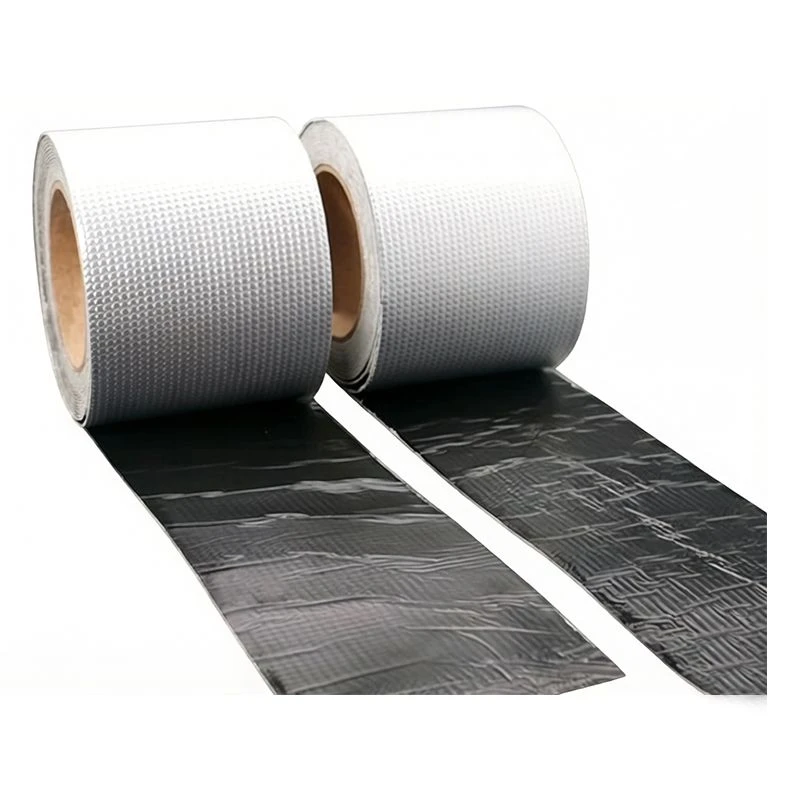
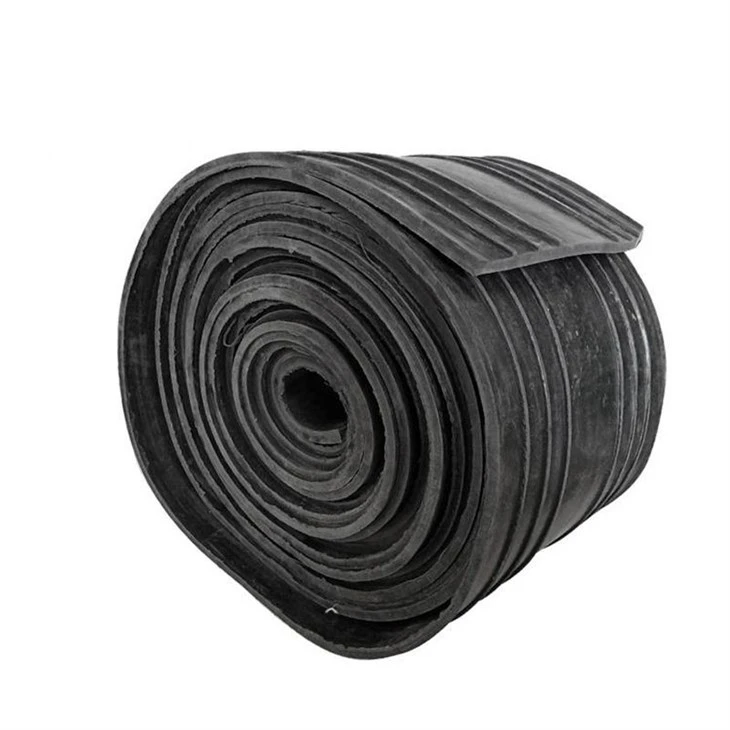
For small - scale sealing tasks or quick repairs, Butyl Self Adhesive Tape can be a convenient option. And for projects that require a combination of good performance and environmental friendliness, TPE water stops are worth considering.
Conclusion
In conclusion, understanding the differences between various types of flexible water stops is crucial for ensuring the success of your waterproofing projects. Each type has its own unique advantages and limitations, and by carefully considering the specific requirements of your project, you can select the most appropriate flexible water stop.
As a supplier of Flexible Water Stop, I am here to assist you in making the right choice. Whether you need detailed product information, technical support, or are ready to discuss your procurement needs, I encourage you to reach out. Let's work together to find the perfect flexible water stop solution for your project.
References
- ASTM International. (Year). Standard specifications for various waterproofing materials.
- Construction Industry Research and Information Association. (Year). Guide to the selection of flexible water stops.