

Does slab leakage paint require multiple coats?
Nov 03, 2026
Leave a message
Does Slab Leakage Paint Require Multiple Coats?
Hey there! I'm a supplier of Slab Leakage Paint, and I've been getting a lot of questions about whether this stuff needs multiple coats. So, I thought I'd dive into it and share some insights with all of you.
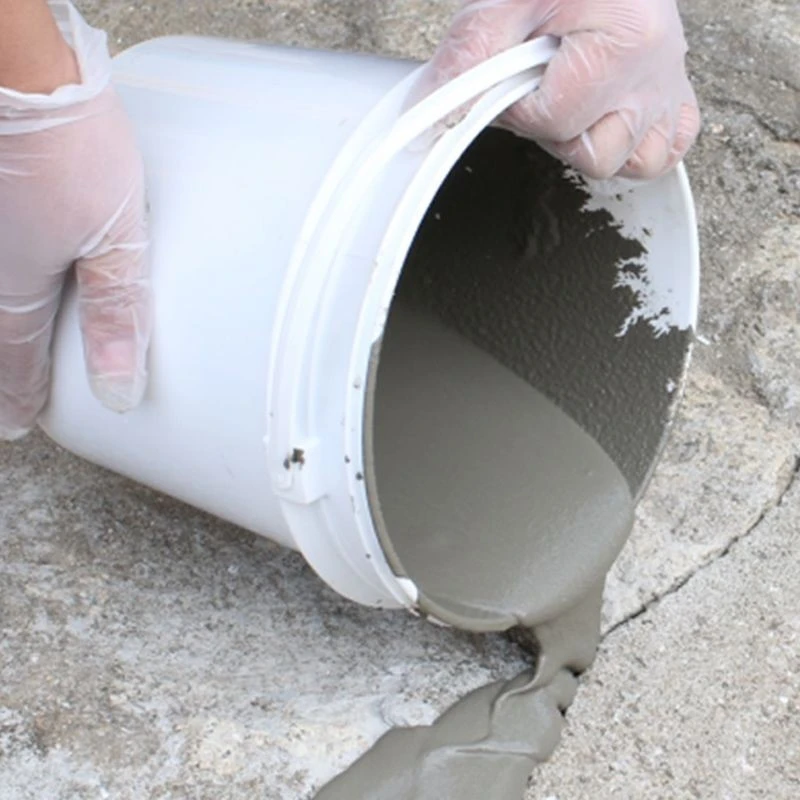
First things first, let's talk about what slab leakage paint is and why it's important. Slab leakage is a serious issue that can cause all sorts of problems in buildings, like structural damage, mold growth, and water stains. Slab leakage paint is designed to create a waterproof barrier on the surface of the slab, preventing water from seeping through and causing these issues.
Now, the big question: does it need multiple coats? Well, the answer isn't a simple yes or no. It depends on a few different factors.
Factors Affecting the Number of Coats
Surface Condition
The condition of the surface you're applying the paint to plays a huge role. If the slab has a lot of cracks, pores, or uneven areas, you'll probably need more coats. These imperfections can allow water to penetrate through, even if you've applied a single coat. For example, if the slab has hairline cracks that are hard to spot, a single coat might not be enough to seal them completely. In this case, multiple coats can help fill in these gaps and create a more effective barrier.
Type of Paint
Not all slab leakage paints are created equal. Some paints are formulated to be more durable and provide better coverage with just one coat. Others might be thinner and require multiple applications to achieve the same level of protection. For instance, Cementitious Crystalline Waterproof Coating is known for its ability to penetrate into the concrete and form crystals that block water passage. It might work well with fewer coats compared to a less potent formula.
Environmental Conditions
The environment where the slab is located also matters. If the area experiences high levels of humidity, heavy rainfall, or constant exposure to water, you'll likely need more coats of paint. For example, if the slab is in a basement that's prone to flooding, a single coat might not stand up to the continuous water pressure. Multiple coats can provide an extra layer of protection and make the paint more resistant to the harsh conditions.

Benefits of Multiple Coats
Applying multiple coats of slab leakage paint has several benefits. First of all, it increases the durability of the waterproof barrier. Each additional coat adds more protection, making it harder for water to break through. This means that your slab will be better protected against leakage for a longer period of time.
Secondly, multiple coats can improve the overall appearance of the slab. If the paint has a nice finish, adding more coats can make it look smoother and more professional. This can be especially important if the slab is in a visible area, like a patio or a basement floor that you plan to use as a living space.
Another benefit is that multiple coats can help cover any missed spots or thin areas in the first coat. Even if you're careful when applying the paint, it's possible to miss a small area or apply the paint too thinly in some places. Adding a second or third coat can ensure that the entire surface is properly covered and protected.
How Many Coats Are Usually Needed?
In most cases, two to three coats of slab leakage paint are recommended. This is a good balance between providing enough protection and not overdoing it. However, as I mentioned earlier, it really depends on the factors we discussed above.
If the surface is in poor condition or the environment is particularly harsh, you might need to apply more coats. On the other hand, if the surface is smooth and the paint is of high quality, two coats might be sufficient.
Applying Multiple Coats
When applying multiple coats of slab leakage paint, it's important to follow the manufacturer's instructions. This includes waiting the recommended amount of time between coats. This allows the first coat to dry and cure properly, ensuring that the subsequent coats adhere well.
You should also make sure to clean the surface thoroughly between coats. This can help remove any dust or debris that might have settled on the first coat, and it can also improve the adhesion of the next coat.
Comparing with Other Waterproofing Options
There are other waterproofing options available in the market, such as Fibre Reinforced Elastomeric Liquid Waterproofing Membrane, Cementitious Capillary Crystalline Waterproofing Materials, High Viscosity Anti Slip Waterproof Coating, and Waterproof Breathable Masonry Paint.
Each of these options has its own advantages and disadvantages. For example, a liquid waterproofing membrane might provide a more flexible and seamless barrier, but it might also be more expensive and require more specialized application. Cementitious materials can be great for penetrating into the concrete, but they might take longer to dry.
When choosing between these options and slab leakage paint, it's important to consider your specific needs, the condition of the slab, and your budget.
Conclusion
So, does slab leakage paint require multiple coats? In most cases, it's a good idea to apply two to three coats to ensure maximum protection and durability. However, the exact number of coats depends on factors like the surface condition, the type of paint, and the environmental conditions.
If you're dealing with a slab leakage problem or you're just looking to prevent it, I'd be more than happy to help. As a supplier of Slab Leakage Paint, I have the knowledge and the products to meet your needs. Whether you have questions about the application process, the number of coats, or which type of paint is best for your situation, feel free to reach out. Let's have a chat and find the best solution for your waterproofing needs.
References
- Manufacturer's guidelines for slab leakage paint products.
- Industry research on waterproofing materials and their effectiveness.