

What are the standards for Geotextile Stabilization Fabric?
Jul 31, 2026
Leave a message
Hey there! As a supplier of Geotextile Stabilization Fabric, I've been getting a lot of questions about what the standards for this stuff actually are. So, I thought I'd take a few minutes to break it down for you.
First off, let's talk about what geotextile stabilization fabric is. It's basically a synthetic material that's used to reinforce soil, prevent erosion, and improve the stability of various structures like roads, embankments, and retaining walls. It works by distributing loads more evenly across the soil, reducing the risk of soil movement and failure.
Now, when it comes to the standards for geotextile stabilization fabric, there are a few key factors to consider. One of the most important is the strength of the fabric. This is usually measured in terms of its tensile strength, which is the amount of force the fabric can withstand before it breaks. The higher the tensile strength, the more durable and reliable the fabric is likely to be.
Another important factor is the permeability of the fabric. Permeability refers to the ability of the fabric to allow water to pass through it. This is crucial for applications where drainage is important, such as in road construction or landfill liners. A fabric with high permeability will help to prevent water from building up and causing damage to the structure.
In addition to strength and permeability, the durability of the fabric is also a key consideration. Geotextile stabilization fabric is often exposed to harsh environmental conditions, such as sunlight, moisture, and chemicals. Therefore, it's important that the fabric is able to withstand these conditions without deteriorating over time. This is usually measured in terms of its resistance to UV radiation, abrasion, and chemical degradation.
The pore size of the fabric is another important factor to consider. The pore size refers to the size of the openings in the fabric, and it can have a significant impact on the fabric's performance. A fabric with a smaller pore size will be more effective at preventing the movement of fine particles, while a fabric with a larger pore size will be more permeable and better suited for applications where drainage is a priority.
When it comes to selecting the right geotextile stabilization fabric for your project, it's important to consider the specific requirements of the application. For example, if you're using the fabric for a road construction project, you'll need a fabric with high tensile strength and good drainage properties. On the other hand, if you're using the fabric for a landfill liner, you'll need a fabric with high chemical resistance and low permeability.
As a supplier of geotextile stabilization fabric, I can help you select the right fabric for your project based on your specific requirements. I have a wide range of fabrics available, each with its own unique properties and characteristics. Whether you need a fabric for a small residential project or a large commercial development, I can provide you with the right solution.
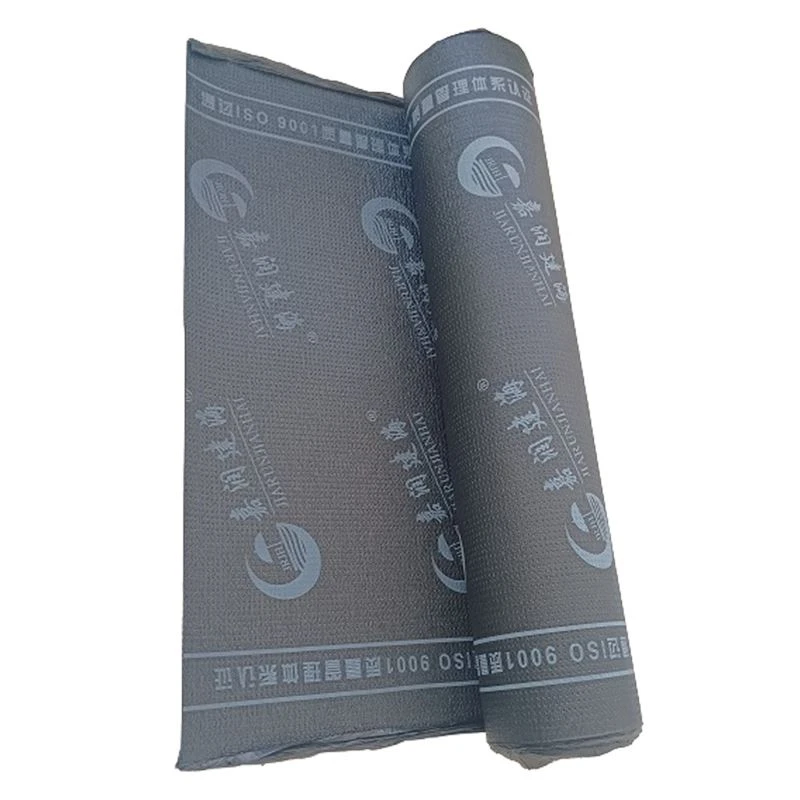
In addition to geotextile stabilization fabric, I also offer a range of other products and services to help you with your construction projects. For example, I supply Self Adhesive Polymer Modified Bitumen Membrane, which is a high-quality waterproofing membrane that's ideal for use in a variety of applications, including roofs, basements, and foundations. I also offer Basement Floor Membrane, which is designed to protect your basement floor from moisture and water damage. And if you're looking for a single-ply membrane for your roofing project, I recommend our TPO Single Ply Membrane, which is a durable and energy-efficient option.

If you're interested in learning more about our products and services, or if you have any questions about geotextile stabilization fabric, please don't hesitate to contact me. I'd be happy to discuss your project with you and help you find the right solution. Whether you're a contractor, engineer, or homeowner, I'm here to help you achieve your construction goals.
In conclusion, the standards for geotextile stabilization fabric are based on a number of factors, including strength, permeability, durability, and pore size. By selecting the right fabric for your project, you can ensure that your structure is stable, durable, and able to withstand the test of time. And if you need any help or advice along the way, I'm here to support you. So, don't hesitate to reach out and let's start working together on your next project!
References
- ASTM International. (2023). Standards for Geosynthetics. Retrieved from ASTM website.
- Federal Highway Administration. (2023). Geosynthetics in Highway Construction. Retrieved from FHWA website.