

What is the pH level of interior waterproof coating?
Jul 30, 2026
Leave a message
Hey there! As a supplier of Interior Waterproof Coating, I often get asked about the pH level of our products. It's a crucial factor that can significantly impact the performance and durability of the coating. So, let's dive into what the pH level of interior waterproof coating is all about.
First off, what exactly is pH? Well, pH is a measure of how acidic or alkaline a substance is. It ranges from 0 to 14, with 7 being neutral. Anything below 7 is acidic, and anything above 7 is alkaline. In the context of interior waterproof coating, the pH level can affect how the coating adheres to surfaces, how it resists corrosion, and even how long it lasts.
Most interior waterproof coatings have a pH level that falls within the slightly alkaline range, typically between 7.5 and 9. This alkaline nature helps the coating bond better to various surfaces, such as concrete, brick, and drywall. When the coating is applied to a surface, the alkaline pH can react with the surface material, creating a stronger and more durable bond. This is especially important in areas where there's a lot of moisture, as a good bond helps prevent water from seeping through the coating and causing damage.
Let's talk about why an alkaline pH is beneficial for interior waterproof coatings. One of the main reasons is that it helps protect against corrosion. Many building materials, like metal pipes and fixtures, are prone to corrosion when exposed to acidic environments. By using a coating with an alkaline pH, we can create a protective barrier that helps prevent corrosion and extends the lifespan of these materials.
Another advantage of an alkaline pH is that it can enhance the coating's resistance to mold and mildew. Mold and mildew thrive in acidic environments, so an alkaline coating can make the surface less hospitable for these unwanted guests. This is particularly important in interior spaces, where mold and mildew can not only damage the building but also pose health risks to the occupants.
Now, let's take a look at some of our specific products and their pH levels. Our Elastomeric Waterproofing Liquid Membrane Coating has a pH level of around 8. This makes it an excellent choice for areas that require high flexibility and water resistance, such as bathrooms and kitchens. The slightly alkaline pH helps it adhere well to different surfaces and provides long-lasting protection against water damage.
Our Interior Waterproof Coating has a pH level in the range of 7.5 to 8.5. This coating is designed for general interior waterproofing applications, such as basements and crawl spaces. The balanced pH ensures good adhesion and protection against moisture, while also being gentle on the surfaces it's applied to.
For more heavy-duty applications, we have our Elastomeric Cementitious Waterproofing Coating. This coating has a pH level of approximately 8.5. The higher alkaline pH gives it enhanced durability and resistance to water penetration, making it suitable for areas with extreme moisture conditions, like swimming pools and water tanks.
It's important to note that maintaining the proper pH level during the manufacturing and storage of interior waterproof coatings is crucial. Any significant deviation from the recommended pH range can affect the coating's performance. For example, if the coating becomes too acidic, it may not adhere properly to surfaces or may lose its resistance to corrosion and mold. On the other hand, if it becomes too alkaline, it could cause damage to the surface it's applied to or have a negative impact on the coating's flexibility.
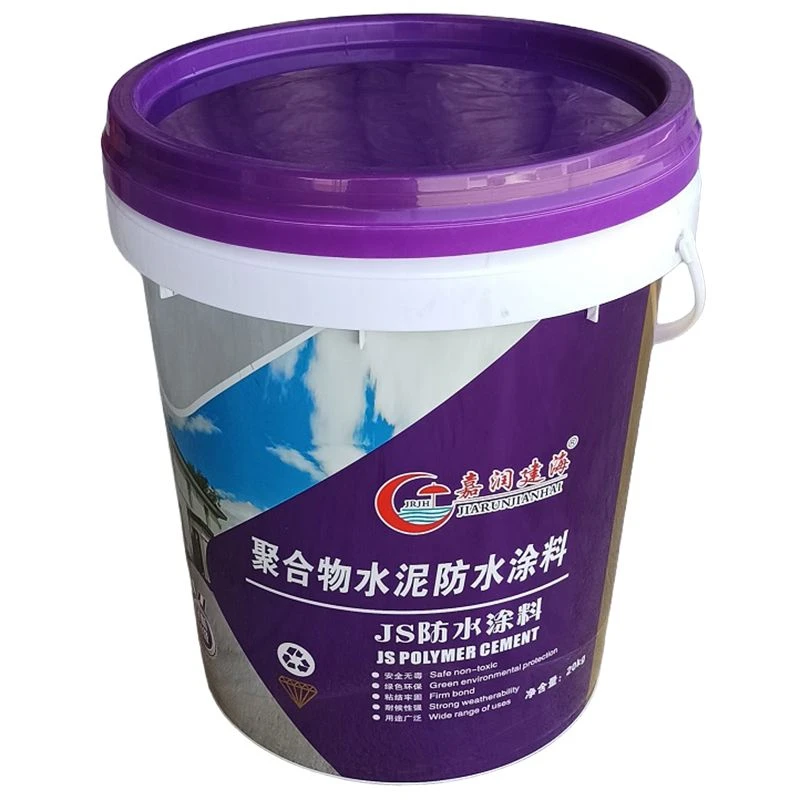
When applying interior waterproof coating, it's also essential to consider the pH of the surface you're working with. If the surface is too acidic or alkaline, it can affect the coating's ability to bond effectively. In some cases, you may need to prepare the surface by neutralizing its pH or using a primer that's compatible with the coating's pH level.
So, how do we ensure that our interior waterproof coatings maintain the right pH level? Well, we have a strict quality control process in place. Our manufacturing team regularly tests the pH of the raw materials and the finished products to ensure they meet our standards. We also use high-quality ingredients and advanced manufacturing techniques to minimize any fluctuations in the pH level.
In addition to the pH level, there are other factors that can affect the performance of interior waterproof coatings. These include the type of resin used, the presence of additives, and the application method. However, the pH level plays a significant role in determining how well the coating will perform over time.
If you're in the market for interior waterproof coating, I encourage you to consider our products. We offer a wide range of coatings with different pH levels to suit various applications. Whether you need to waterproof a small bathroom or a large industrial space, we have the right solution for you.
If you have any questions about our interior waterproof coatings or their pH levels, feel free to reach out. Our team of experts is always here to help you choose the best product for your needs. We can also provide you with more detailed information about the application process and maintenance tips to ensure the long-term success of your waterproofing project.
In conclusion, the pH level of interior waterproof coating is an important factor to consider. It can affect the coating's adhesion, corrosion resistance, and mold resistance. By choosing a coating with the right pH level and following proper application and maintenance procedures, you can ensure that your interior spaces stay dry and protected for years to come.
If you're interested in purchasing our interior waterproof coatings, or if you want to discuss your specific requirements, don't hesitate to get in touch. We're eager to work with you and help you achieve the best results for your waterproofing projects.
References
-
ASTM International. (Year). Standard test methods for pH of aqueous solutions.
-
Painting and Coatings Industry Association. (Year). Guide to understanding coating properties, including pH.
-
Manufacturer's product data sheets for interior waterproof coatings.