

What is the anti - algae performance of Polymer Cement Waterproof Coating?
Sep 22, 2026
Leave a message
Yo, what's up everyone! As a supplier of Polymer Cement Waterproof Coating, I've been getting a lot of questions lately about its anti - algae performance. So, I thought I'd take some time to break it down for you all.
First off, let's talk about why anti - algae performance is such a big deal. Algae can be a real pain in the you - know - what. It can grow on all sorts of surfaces, especially those that are constantly exposed to moisture. When it comes to waterproof coatings, if algae starts to grow on them, it can not only make the surface look ugly but also compromise the integrity of the coating over time.
Polymer Cement Waterproof Coating is a popular choice for many applications because it combines the strength of cement with the flexibility of polymers. But how does it stack up when it comes to keeping algae at bay?
How Algae Grows
Before we dive into the anti - algae performance of our coating, let's understand how algae grows. Algae need three main things to thrive: water, sunlight, and nutrients. In areas where there's a lot of moisture, like bathrooms, basements, or outdoor surfaces that are exposed to rain, the water is readily available. Sunlight can penetrate even in shaded areas, and nutrients can come from dirt, dust, or organic matter that settles on the surface.
The Anti - Algae Mechanism of Polymer Cement Waterproof Coating
Our Polymer Cement Waterproof Coating has some built - in features that help it resist algae growth. First of all, the polymer component in the coating creates a dense and smooth surface. This smooth surface makes it difficult for algae spores to attach and take root. Algae need a rough or porous surface to anchor themselves, and our coating denies them that opportunity.
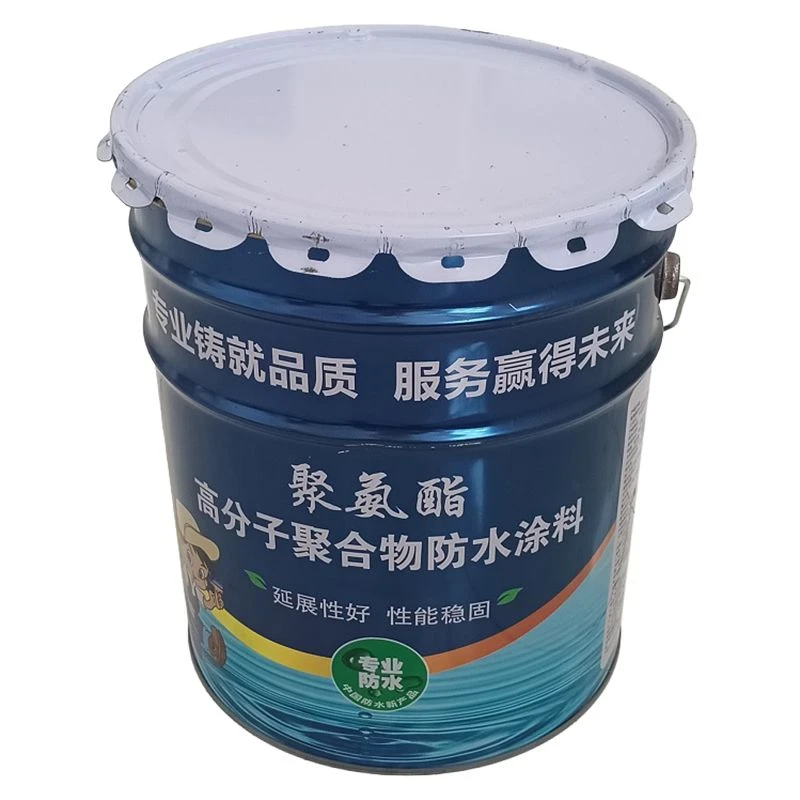
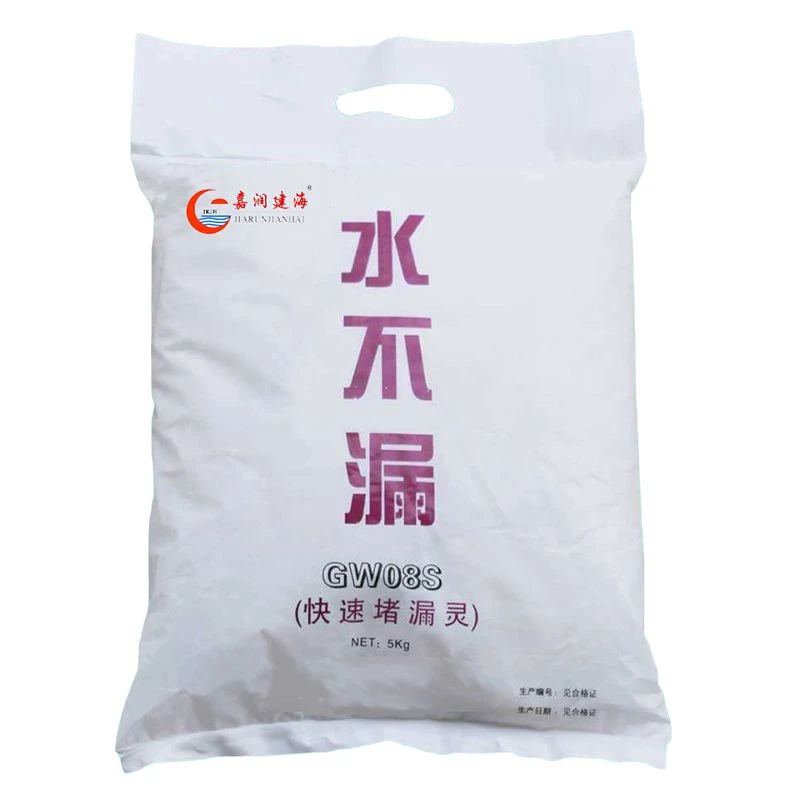
Secondly, the coating has anti - microbial agents. These agents are designed to inhibit the growth of algae and other microorganisms. They work by disrupting the metabolic processes of the algae, preventing them from growing and multiplying.
Another factor is the waterproof nature of the coating. By keeping water out, it reduces the amount of moisture available for algae to grow. Since water is one of the key requirements for algae growth, a good waterproof coating can significantly reduce the chances of an algae infestation.
Real - World Examples
I've seen firsthand how well our Polymer Cement Waterproof Coating performs in real - world situations. For instance, we had a client who had a problem with algae growth on the exterior walls of their building. The walls were constantly exposed to rain and had a lot of shade, which created the perfect environment for algae. After applying our coating, the algae growth stopped almost immediately. The walls not only looked cleaner but also maintained their waterproof integrity.
In another case, a bathroom in a residential property had a serious algae problem. The tiles and the walls were covered in green slime. We applied our Polymer Cement Waterproof Coating to the walls and the floor. Over time, the algae disappeared, and the bathroom remained algae - free for a long time.
Comparison with Other Waterproofing Products
Now, let's compare our Polymer Cement Waterproof Coating with some other popular waterproofing products on the market.
Elastomeric Cementitious Waterproofing Coating is another option. While it also has good waterproofing properties, its anti - algae performance may not be as strong as our coating. The elastomeric nature of the coating may create a slightly more porous surface, which can be more conducive to algae growth.
Interior Waterproof Coating is designed mainly for indoor use. It may not have the same level of anti - microbial agents as our Polymer Cement Waterproof Coating, especially if it's not specifically formulated to resist algae.
Interior Waterproof Paint for Walls is often used for aesthetic purposes as well as waterproofing. However, it may not have the same long - term anti - algae protection as our coating. The paint may wear off over time, exposing the surface to algae growth.
Cementitious Capillary Crystalline Waterproofing Materials work by creating crystals within the concrete to block water penetration. While they are great for waterproofing, they may not have the same anti - algae properties as our coating.
Tanking Membrane Paint is used for waterproofing basements and other underground structures. Similar to the other products, it may not offer the same level of anti - algae protection as our Polymer Cement Waterproof Coating.
Factors Affecting Anti - Algae Performance
While our Polymer Cement Waterproof Coating has great anti - algae performance, there are some factors that can affect it.
- Application Method: If the coating is not applied correctly, it may not form a continuous and dense surface. This can leave gaps or weak spots where algae can grow. It's important to follow the application instructions carefully.
- Environmental Conditions: Extreme temperatures, high humidity, and excessive sunlight can all affect the performance of the coating. In very hot or cold conditions, the coating may expand or contract, which can lead to cracks or peeling. High humidity can provide more moisture for algae growth.
- Surface Preparation: If the surface is not properly cleaned and prepared before applying the coating, there may be dirt, dust, or other contaminants that can provide nutrients for algae.
Maintenance Tips
To ensure the long - term anti - algae performance of our Polymer Cement Waterproof Coating, here are some maintenance tips:
- Regular Cleaning: Periodically clean the coated surface with a mild detergent and water. This will remove any dirt, dust, or organic matter that could serve as nutrients for algae.
- Inspect for Damage: Check the coating regularly for any signs of damage, such as cracks or peeling. If you notice any damage, repair it immediately to prevent water from seeping in and algae from growing.
- Re - apply the Coating: Over time, the coating may wear off. Depending on the environmental conditions and the level of use, you may need to re - apply the coating every few years to maintain its anti - algae performance.
Conclusion
So, there you have it. Our Polymer Cement Waterproof Coating has excellent anti - algae performance due to its smooth surface, anti - microbial agents, and waterproof properties. It outperforms many other waterproofing products in terms of keeping algae at bay.
If you're looking for a reliable waterproofing solution with great anti - algae performance, don't hesitate to reach out. We can provide you with more information and samples so you can see for yourself how well our coating works. Let's start a conversation and find the best solution for your waterproofing needs.
References
- "Waterproofing Technology Handbook", various authors
- "Algae Growth and Control in Building Materials", academic research papers