

Does waterproof coating need a primer?
Sep 21, 2026
Leave a message
Does waterproof coating need a primer?
As a supplier of waterproof coatings, I often encounter a common question from customers: Does waterproof coating need a primer? This is a critical question that can significantly impact the performance and longevity of a waterproofing project. In this blog post, I'll delve into the science behind waterproof coatings and primers, explore when a primer is necessary, and guide you on making the right choice for your specific application.
Understanding Waterproof Coatings and Primers
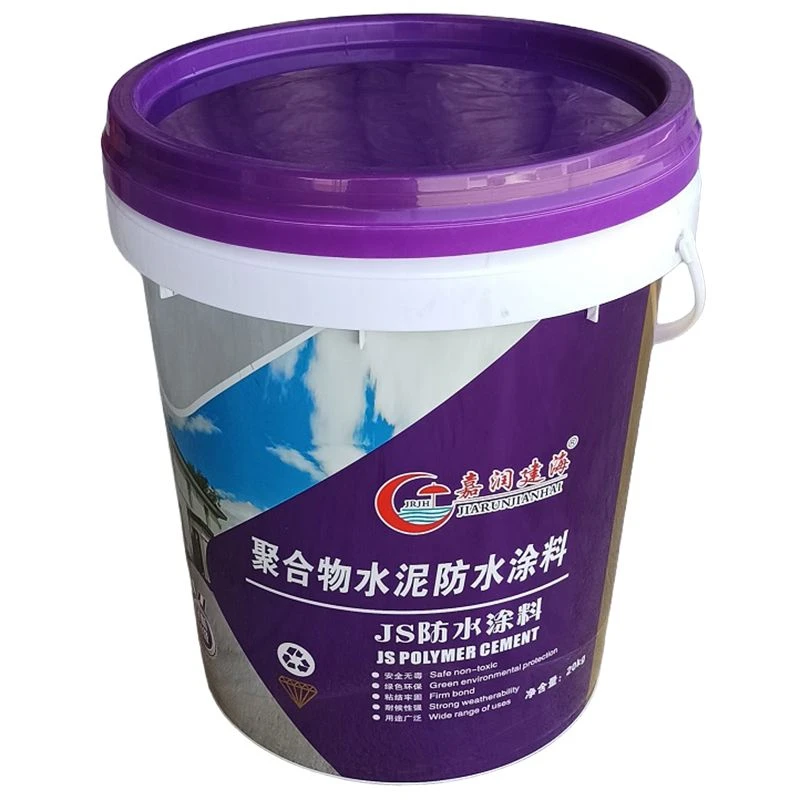
Let's first understand the fundamental roles of waterproof coatings and primers. Waterproof coatings are designed to create a barrier that prevents water from penetrating a surface. They come in various types, each with unique properties and applications. For example, our Elastomeric Waterproofing Liquid Membrane Coating is a highly flexible coating that can accommodate movement in the substrate, making it ideal for areas prone to vibration or expansion. Our Interior Waterproof Coating is formulated for indoor use, providing a durable and aesthetically pleasing finish.
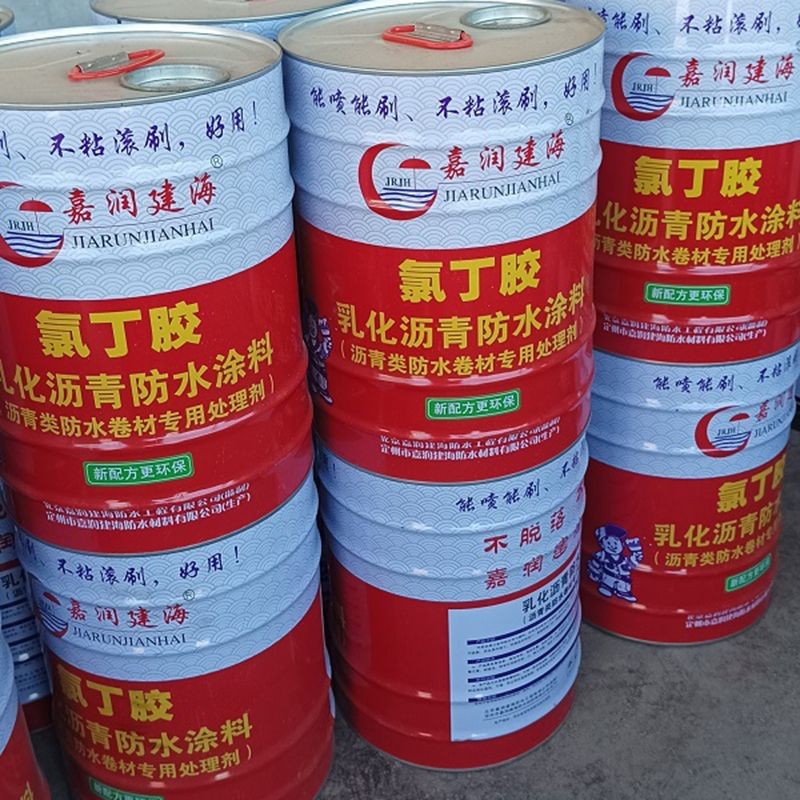
On the other hand, primers are used to prepare the surface before applying the waterproof coating. They improve the adhesion of the coating to the substrate, enhance the overall performance of the waterproofing system, and can also protect the substrate from the chemicals in the coating. A good primer can fill small pores and cracks in the surface, creating a smooth and uniform base for the coating to adhere to. Our Neoprene Bitumen Primer is a popular choice for various waterproofing applications, offering excellent adhesion and corrosion protection.
When is a Primer Necessary?
The need for a primer depends on several factors, including the type of substrate, the environment, and the type of waterproof coating being used. Here are some scenarios where a primer is highly recommended:
-
Porous Substrates: Substrates such as concrete, brick, and wood are porous, meaning they have small pores and capillaries that can absorb water and air. If these pores are not sealed before applying the waterproof coating, the coating may not adhere properly, leading to peeling, bubbling, or delamination. A primer can fill these pores, creating a smooth and even surface for the coating to bond to. For example, when using our Elastomeric Cementitious Waterproofing Coating on a concrete substrate, a primer is essential to ensure maximum adhesion and performance.
-
Slippery or Contaminated Surfaces: Surfaces that are greasy, oily, or dirty can prevent the waterproof coating from adhering properly. A primer can clean and degrease the surface, removing any contaminants that may interfere with adhesion. Additionally, primer can improve the wetting of the coating on the surface, allowing it to spread evenly and form a continuous film. If you're applying a waterproof coating to a surface that has been previously painted or coated, a primer can also help to bond the new coating to the existing surface.
-
Harsh Environments: In environments where the waterproof coating will be exposed to extreme temperatures, UV radiation, or chemical exposure, a primer can provide an additional layer of protection. The primer can act as a barrier between the substrate and the coating, preventing moisture, oxygen, and other harmful substances from penetrating the surface and causing damage. For example, in coastal areas where the air is salty and humid, a primer can help to prevent corrosion and rusting of the substrate, extending the life of the waterproofing system.
-
High-Performance Coatings: Some waterproof coatings, such as those with high elastomeric properties or chemical resistance, require a primer to achieve their full performance potential. The primer can enhance the adhesion and compatibility of the coating with the substrate, ensuring that the coating can withstand the demands of the application. For instance, our Slab Leakage Paint is a high-performance coating designed to seal and protect concrete slabs from water leakage. To ensure the best results, it is recommended to use a primer specifically formulated for use with this type of coating.
When a Primer May Not Be Necessary
While a primer is often recommended for optimal performance, there are some situations where it may not be necessary. Here are a few examples:
-
Non-Porous Substrates: Non-porous substrates such as metal, glass, and some plastics do not absorb water or air, so they do not require a primer to fill the pores. However, if the surface is smooth or slippery, a primer may still be needed to improve adhesion. For example, when applying a waterproof coating to a metal roof, a primer can help to prevent corrosion and ensure a strong bond between the coating and the metal surface.
-
Shallow Waterproofing Applications: In some cases, where the waterproofing is only required for a short period or in a low-stress environment, a primer may not be necessary. For example, if you're applying a waterproof coating to a small area that is not exposed to heavy traffic or extreme weather conditions, you may be able to skip the primer. However, it's important to note that skipping the primer may reduce the lifespan and performance of the waterproofing system.
Choosing the Right Primer
If you've determined that a primer is necessary for your waterproofing project, it's essential to choose the right one. Here are some factors to consider when selecting a primer:
-
Substrate Compatibility: The primer must be compatible with the substrate you're applying it to. Different substrates have different surface properties and chemical compositions, so it's important to choose a primer that is specifically formulated for use with your substrate. For example, a primer designed for concrete may not be suitable for use on metal or wood.
-
Coating Compatibility: The primer must also be compatible with the waterproof coating you're using. Some coatings may require a specific type of primer to achieve optimal adhesion and performance. Make sure to read the manufacturer's instructions and recommendations for both the primer and the coating before making a selection.
-
Application Conditions: Consider the environmental conditions in which the primer will be applied. Some primers may require specific temperatures, humidity levels, or curing times to achieve the best results. Make sure to choose a primer that can be applied under the conditions of your project.
-
Performance Requirements: Finally, consider the performance requirements of your waterproofing project. If you need a high-performance primer that can provide long-lasting protection and adhesion, look for a product that has been tested and approved for use in similar applications.
Conclusion
In conclusion, whether or not a waterproof coating needs a primer depends on several factors, including the type of substrate, the environment, and the type of coating being used. In most cases, a primer is recommended to improve adhesion, enhance performance, and extend the lifespan of the waterproofing system. However, there are some situations where a primer may not be necessary.
As a professional waterproof coating supplier, we are committed to providing our customers with the highest quality products and expert advice. If you have any questions about whether a primer is needed for your project or which primer is right for you, please don't hesitate to contact us. We can help you select the best waterproofing solution for your specific needs and guide you through the application process.
Contact us today to discuss your waterproofing requirements and explore how our products can help you achieve a long-lasting and effective waterproofing solution.
References
- ASTM International. (2023). Standards for waterproofing materials and systems.
- International Concrete Repair Institute (ICRI). (2023). Guidelines for waterproofing concrete structures.
- Sherwin-Williams. (2023). Technical data sheets for waterproof coatings and primers.