

Can waterproof membrane be used on green roofs?
Aug 17, 2026
Leave a message
Can Waterproof Membrane be Used on Green Roofs?
As a supplier of waterproof membranes, I often get asked about the feasibility of using our products on green roofs. Green roofs have gained significant popularity in recent years due to their numerous environmental and aesthetic benefits. They help reduce urban heat island effects, improve air quality, and provide additional insulation for buildings. However, the unique environment of a green roof presents specific challenges when it comes to waterproofing. In this blog post, I will explore whether waterproof membranes can be used on green roofs and discuss the key considerations.
Understanding the Requirements of Green Roofs
Green roofs are essentially vegetated layers installed on top of a building's roof. They typically consist of several components, including a waterproofing layer, a drainage layer, a growing medium, and vegetation. The waterproofing layer is crucial as it prevents water from penetrating the roof structure and causing damage. At the same time, it needs to be compatible with the other components of the green roof and withstand the environmental conditions.
One of the main challenges of waterproofing a green roof is the constant presence of water. The vegetation on the roof requires regular watering, and rainwater is also collected. This means that the waterproof membrane needs to be highly resistant to water and have excellent long - term durability. Additionally, the membrane should be able to withstand the mechanical stress caused by the installation and maintenance of the green roof, such as foot traffic, the movement of equipment, and the growth of plant roots.
Types of Waterproof Membranes Suitable for Green Roofs
There are several types of waterproof membranes that can be used on green roofs. Each type has its own advantages and disadvantages, and the choice depends on various factors such as the type of building, the climate, and the budget.
-
PE PP Composite Waterproof Membrane: This type of membrane is made from a combination of polyethylene (PE) and polypropylene (PP). It offers excellent chemical resistance, high tensile strength, and good flexibility. The PE PP Composite Waterproof Membrane is suitable for green roofs as it can withstand the wet environment and the mechanical stress. It is also relatively easy to install, which can save time and labor costs.
-
TPO Single Ply Membrane: Thermoplastic polyolefin (TPO) single - ply membranes are popular for green roofs. They are energy - efficient, UV - resistant, and have a long service life. The TPO Single Ply Membrane is lightweight and flexible, making it easy to install on different roof shapes. It also has good resistance to punctures and tears, which is important in a green roof environment where there may be sharp objects or plant roots.
-
Pre Applied Waterproof Membrane: Pre - applied waterproof membranes are designed to be installed before the concrete or other roofing materials are laid. They form a strong bond with the substrate and provide excellent waterproofing performance. The Pre Applied Waterproof Membrane can be a good choice for green roofs as it offers protection from water intrusion from the start. It also has the advantage of being able to self - heal minor punctures, which is beneficial in a green roof where there may be accidental damage.
-
Waterproof Membrane for Concrete Floor: Although primarily designed for concrete floors, some waterproof membranes can also be used on green roofs. The Waterproof Membrane for Concrete Floor is often made from materials that are resistant to water and chemicals. It can provide a reliable waterproofing layer for green roofs, especially when the roof structure is made of concrete.
-
APP Modified Bituminous Waterproofing Membrane: APP (Atactic Polypropylene) modified bituminous waterproofing membranes are known for their high temperature resistance and good adhesion. The APP Modified Bituminous Waterproofing Membrane can be used on green roofs, especially in areas with high temperatures. It forms a durable and flexible waterproof layer that can withstand the expansion and contraction of the roof due to temperature changes.
Key Considerations for Using Waterproof Membranes on Green Roofs
-
Compatibility with Vegetation: The waterproof membrane should be compatible with the vegetation on the green roof. Some plants may release chemicals or acids that could potentially damage the membrane. It is important to choose a membrane that is resistant to these substances. For example, membranes with a protective coating can help prevent damage from plant - related chemicals.
-
Root Resistance: Plant roots can penetrate through the waterproof membrane if it is not root - resistant. This can lead to water leakage and damage to the roof structure. When selecting a waterproof membrane for a green roof, it is essential to choose one that has been tested and certified for root resistance. Some membranes are specifically designed with a root - barrier layer to prevent root penetration.
-
Installation and Maintenance: Proper installation is crucial for the effectiveness of the waterproof membrane. The membrane should be installed according to the manufacturer's instructions, and all seams and joints should be properly sealed. Additionally, regular maintenance is required to ensure the long - term performance of the membrane. This includes inspecting for any damage, cleaning the surface, and making repairs as needed.
-
Climate Conditions: The climate conditions in the area where the green roof is located also play a significant role in the choice of waterproof membrane. In areas with high rainfall, a membrane with high water - resistance is required. In cold climates, the membrane should be able to withstand freezing temperatures without cracking or losing its flexibility.
Benefits of Using Waterproof Membranes on Green Roofs
-
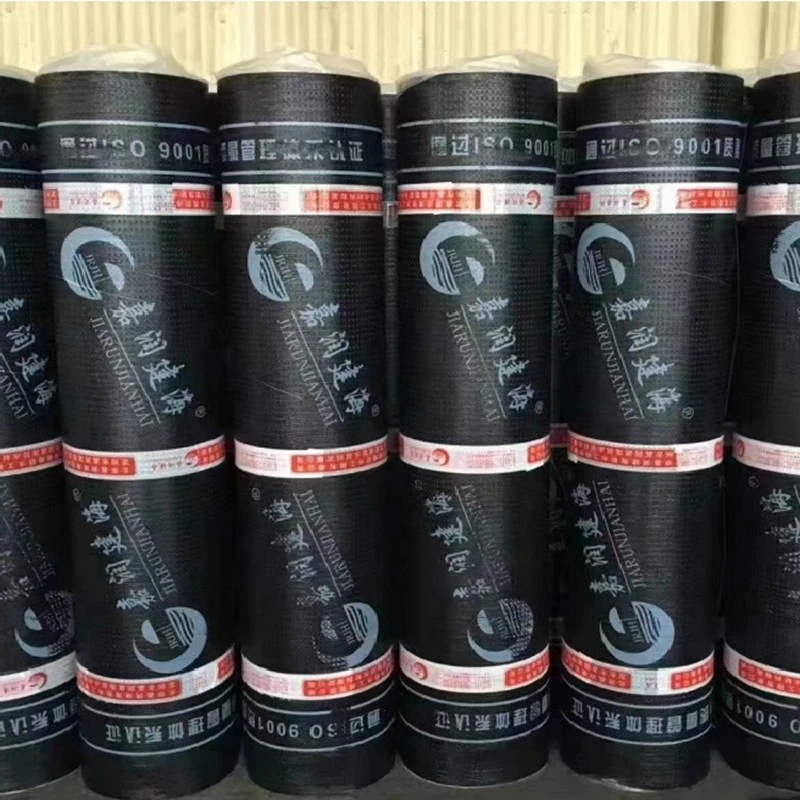
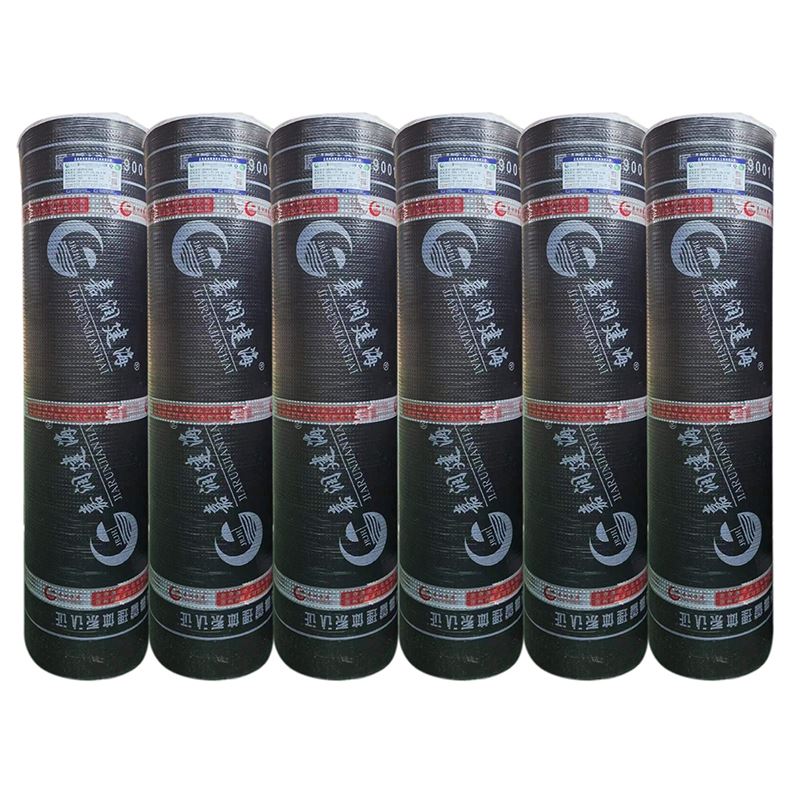
Prevent Water Damage: The primary benefit of using a waterproof membrane on a green roof is to prevent water from penetrating the roof structure. This can protect the building from water - related damage, such as mold growth, rot, and structural deterioration.
-
Extend Roof Lifespan: A good waterproof membrane can extend the lifespan of the roof. By preventing water damage, it reduces the need for costly repairs and replacements. This can save building owners a significant amount of money in the long run.
-
Enhance Green Roof Performance: A reliable waterproof membrane ensures that the green roof functions properly. It allows the vegetation to grow in a healthy environment by providing a stable and dry base. This, in turn, maximizes the environmental and aesthetic benefits of the green roof.
Conclusion
In conclusion, waterproof membranes can be used on green roofs, and there are several types available that are suitable for this application. However, it is important to carefully consider the specific requirements of the green roof, such as compatibility with vegetation, root resistance, installation, and climate conditions. By choosing the right waterproof membrane and ensuring proper installation and maintenance, building owners can enjoy the benefits of a well - functioning green roof while protecting their roof structure from water damage.
If you are considering using a waterproof membrane for your green roof project, I encourage you to contact us for more information. Our team of experts can help you select the most suitable membrane for your specific needs and provide guidance on installation and maintenance. We look forward to discussing your project and helping you achieve a successful green roof installation.
References
- "Green Roof Technology: Design, Construction, and Maintenance" by XYZ Publishing
- "Waterproofing Solutions for Building Envelopes" by ABC Research Institute
- Industry reports on waterproof membranes and green roof applications from various trade associations.