

How does Geocomposite Clay Liner work?
Aug 31, 2026
Leave a message
Hey there! I'm a supplier of Geocomposite Clay Liners, and I'm super stoked to share with you how these amazing liners work. Geocomposite Clay Liners are a game - changer in the world of waterproofing and containment, and understanding their mechanism can help you make the best use of them.
What is a Geocomposite Clay Liner?
First off, let's get a clear idea of what a Geocomposite Clay Liner is. It's basically a composite material made up of a layer of bentonite clay sandwiched between geotextiles. Bentonite is a special type of clay that has some really cool properties. When it comes into contact with water, it swells up, creating a tight, impermeable barrier. The geotextiles on either side serve to protect the bentonite layer and provide mechanical strength to the liner.
How it Works: The Swelling Process
The magic of Geocomposite Clay Liners starts with the swelling of bentonite. When water seeps into the liner, the bentonite particles absorb the water molecules. This absorption causes the bentonite to expand, sometimes up to 15 times its original volume. As it swells, it fills in any gaps or voids in the liner, creating a continuous, dense layer that water has a hard time getting through.
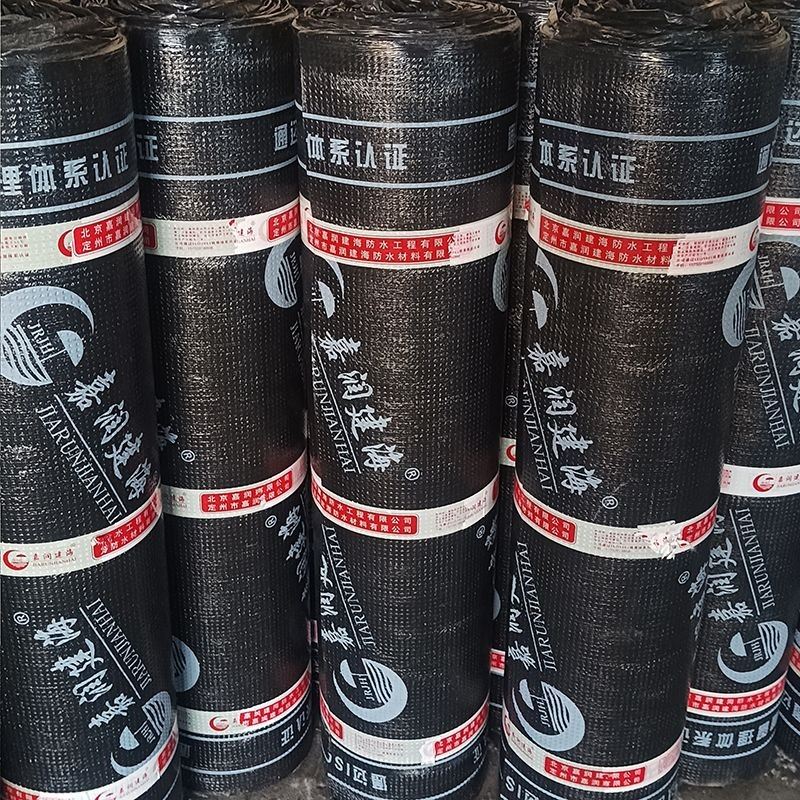

Think of it like a sponge. When a sponge is dry, there are lots of little holes and spaces in it. But when you soak it in water, it expands and becomes a solid mass. The bentonite in the Geocomposite Clay Liner works in a similar way. Once it's fully swollen, it forms a waterproof seal that can prevent the passage of water, chemicals, and other contaminants.
Physical and Chemical Properties
The effectiveness of Geocomposite Clay Liners also depends on their physical and chemical properties. Bentonite has a high cation - exchange capacity, which means it can attract and hold onto positively charged ions. This property helps in binding with contaminants and preventing them from leaching through the liner.
The geotextiles used in the liner are usually made of synthetic materials like polypropylene or polyester. These materials are strong, durable, and resistant to environmental factors such as UV rays, chemicals, and biological degradation. They provide the necessary mechanical support to the bentonite layer, preventing it from being damaged during installation or over time.
Installation and Sealing
Proper installation is crucial for the Geocomposite Clay Liner to work effectively. During installation, the liner is laid out on a prepared surface, such as the floor of a landfill or a pond. The edges of the liner are then overlapped and sealed. There are different methods of sealing, such as using bentonite powder or strips to create a continuous seal between the overlapping sections.
When the liner is installed correctly, it forms a seamless barrier that can withstand the hydrostatic pressure of water. The hydrostatic pressure is the pressure exerted by water due to its weight. In a landfill or a pond, the water can exert a significant amount of pressure on the liner. The Geocomposite Clay Liner, with its swollen bentonite layer, can resist this pressure and prevent water from leaking out.
Applications
Geocomposite Clay Liners have a wide range of applications. One of the most common applications is in landfills. Landfills need to be lined to prevent the leaching of harmful chemicals and contaminants into the soil and groundwater. A Geocomposite Clay Liner can provide an effective barrier, protecting the environment from pollution.
Another application is in ponds and reservoirs. Liners are used to prevent water from seeping into the ground, which can lead to water loss. They can also be used to line swimming pools, preventing water from leaking out and reducing the need for constant refilling.
If you're interested in different types of waterproof membranes for other applications, check out these links:
- Basement Floor Membrane
- Crawl Space Waterproofing Membrane
- High Polymer Waterproof Membrane
- PE PP Composite Waterproof Membrane
- Concrete Roof Waterproofing Membrane
Long - term Performance
Over time, the performance of a Geocomposite Clay Liner can be affected by various factors. For example, if the liner is exposed to extreme temperatures, the bentonite may dry out or lose its swelling ability. However, if the liner is installed correctly and protected from harsh environmental conditions, it can last for a long time.
Regular inspections are also important to ensure the long - term performance of the liner. Any signs of damage, such as tears or punctures, should be repaired immediately to maintain the integrity of the barrier.
Why Choose Geocomposite Clay Liners?
There are several reasons why you might want to choose Geocomposite Clay Liners. First of all, they are relatively easy to install compared to other types of liners. They can be rolled out on the surface, and the sealing process is straightforward.
Secondly, they are cost - effective. Bentonite is a natural and abundant material, which makes the Geocomposite Clay Liner more affordable than some synthetic liners.
Finally, they are environmentally friendly. Bentonite is a natural clay, and the geotextiles used in the liner can be recycled. This makes Geocomposite Clay Liners a sustainable choice for waterproofing and containment applications.
Contact for Purchase and Consultation
If you're interested in purchasing Geocomposite Clay Liners or need more information about how they can be used in your project, don't hesitate to reach out. We're here to answer all your questions and help you find the best solution for your waterproofing and containment needs. Whether you're working on a small - scale project like a backyard pond or a large - scale industrial landfill, we've got the expertise and the products to meet your requirements.
References
- Koerner, R. M. (2012). Designing with Geosynthetics. Pearson.
- Daniel, D. E., & Benson, C. H. (1990). Geosynthetic clay liners for waste containment. Journal of Geotechnical Engineering, 116(7), 1033 - 1054.
- Rowe, R. K. (2005). Geosynthetic clay liners: A review of their performance and applications. Geotextiles and Geomembranes, 23(2), 123 - 150.