

How does polymer modified bitumen coating perform in low - pressure environments?
Aug 27, 2026
Leave a message
Hey there! I'm a supplier of Polymer Modified Bitumen Coating, and today I wanna chat about how this awesome coating performs in low - pressure environments.
First off, let's understand what polymer modified bitumen coating is. It's a blend of bitumen and polymers. Bitumen has been used for ages in construction for its waterproofing properties, but it has some limitations. That's where polymers come in. They enhance the bitumen's performance, making it more flexible, durable, and resistant to various environmental factors.
Now, when it comes to low - pressure environments, we need to think about a few key aspects. One of the main concerns is the behavior of the coating under reduced pressure. In low - pressure situations, there's less force pushing down on the coating. This can affect how well it adheres to the surface it's applied on.
In normal conditions, the weight of the atmosphere and other external forces help the coating stick firmly to the substrate. But in low - pressure environments, like in high - altitude areas or some industrial settings where vacuum conditions are present, the lack of pressure can potentially cause the coating to lift or peel. However, polymer modified bitumen coating is designed to counter this. The polymers in the coating create a strong bond with the substrate at a molecular level. They form a sort of interlocking structure that helps keep the coating in place, even when the external pressure is low.
Another factor to consider is the impact of low pressure on the coating's flexibility. Bitumen on its own can become brittle in cold and low - pressure conditions. But the polymers in the polymer modified bitumen coating act as a plasticizer. They allow the coating to remain flexible, even when the pressure drops. This is crucial because if the coating becomes too rigid, it can crack under stress, leading to water leakage and other problems.
Let's talk about the waterproofing performance. Low - pressure environments might seem like they wouldn't pose a big threat to waterproofing. After all, there's less pressure to force water through the coating. But that's not entirely true. In some cases, low pressure can cause air pockets to form within the coating. These air pockets can act as pathways for water, reducing the coating's waterproofing effectiveness.
Our polymer modified bitumen coating is formulated to minimize the formation of air pockets. The polymers help to create a dense and uniform structure, preventing air from getting trapped inside. This ensures that the coating maintains its excellent waterproofing properties, even in low - pressure conditions.
In addition to its physical properties, the chemical stability of the coating is also important in low - pressure environments. Some chemicals can become more volatile under low pressure, which could potentially affect the coating's integrity. Our polymer modified bitumen coating is chemically stable. The polymers in the coating act as a barrier, preventing the bitumen from reacting with other substances in the environment. This means that the coating can maintain its performance over time, even in challenging low - pressure conditions.
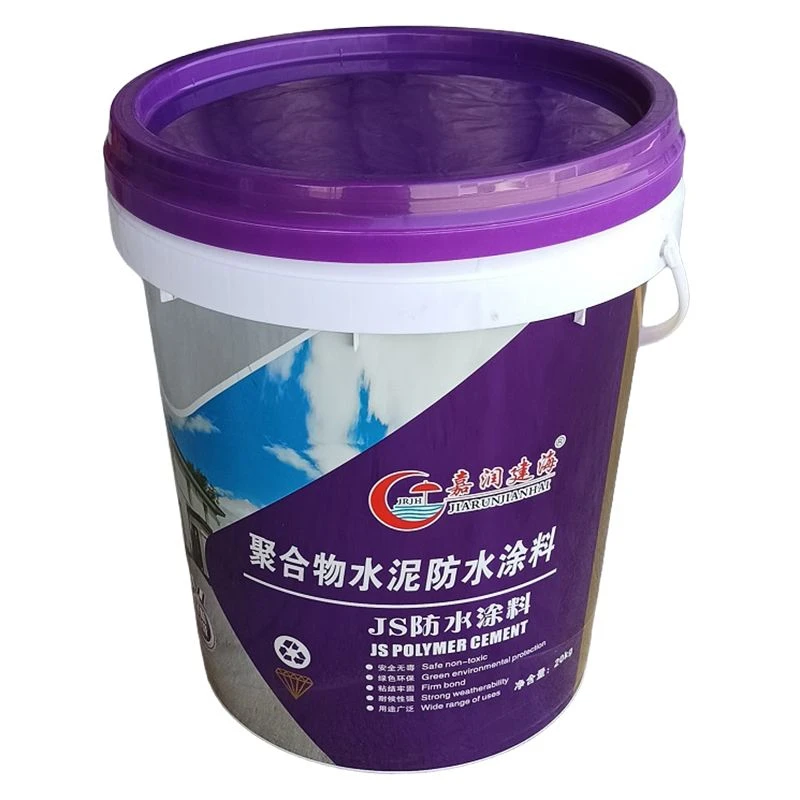
Now, let me introduce you to some other related products we offer. If you're looking for different types of waterproofing solutions, check out our Elastomeric Cementitious Waterproofing Coating. It's a great option for areas that require high flexibility and durability. Our Polymer Cement Waterproof Coating is another popular choice. It combines the strength of cement with the flexibility of polymers.
For slab leakage problems, our Slab Leakage Paint is the go - to solution. It can effectively seal leaks and prevent further water damage. If you need a breathable waterproofing option for masonry, our Waterproof Breathable Masonry Paint is perfect. It allows moisture to escape while keeping water out. And for tanking applications, our Tanking Membrane Paint provides a reliable barrier against water.
If you're interested in our polymer modified bitumen coating or any of our other products, I'd love to have a chat with you. We can discuss your specific needs and how our coatings can meet them. Whether you're working on a small DIY project or a large - scale industrial application, we've got the right solution for you.

So, don't hesitate to reach out and start a conversation about your waterproofing requirements. We're here to help you get the best results.
References:
- Smith, J. (2018). "Advances in Polymer Modified Bitumen Technology". Journal of Construction Materials.
- Johnson, A. (2020). "The Impact of Environmental Conditions on Waterproofing Coatings". Construction Science Review.