

How does polymer modified bitumen coating resist UV radiation?
Sep 02, 2026
Leave a message
Polymer modified bitumen coatings have become increasingly popular in various construction and infrastructure projects due to their excellent waterproofing and durability properties. One of the critical challenges these coatings face is the exposure to ultraviolet (UV) radiation. As a leading supplier of Polymer Modified Bitumen Coating, we understand the importance of UV resistance in ensuring the long - term performance of our products. In this blog, we will delve into the mechanisms by which polymer modified bitumen coating resists UV radiation.
Understanding UV Radiation and Its Impact on Bitumen
UV radiation is a part of the electromagnetic spectrum with wavelengths shorter than visible light. When bitumen, a key component of traditional and modified bitumen coatings, is exposed to UV radiation, it undergoes a series of chemical and physical changes. The most significant of these changes is oxidation. The high - energy UV photons break the chemical bonds in bitumen, allowing oxygen in the air to react with the bitumen molecules. This oxidation process leads to the formation of carbonyl and sulfoxide groups, which in turn increase the stiffness and brittleness of the bitumen. Over time, the coating may crack, peel, or lose its waterproofing properties, reducing its service life.

Role of Polymers in UV Resistance
The addition of polymers to bitumen is the primary strategy to enhance its resistance to UV radiation. Polymers can be classified into different types, such as elastomers and thermoplastics, and each type contributes to UV resistance in unique ways.
Elastomeric Polymers
Elastomeric polymers, such as styrene - butadiene - styrene (SBS), have the ability to form a three - dimensional network structure within the bitumen matrix. This network structure not only improves the mechanical properties of the coating, such as elasticity and toughness, but also acts as a shield against UV radiation. When UV photons strike the coating, the elastomeric network can absorb and dissipate the energy, preventing it from reaching and damaging the bitumen molecules. Moreover, the good flexibility of elastomeric polymers allows the coating to withstand the thermal expansion and contraction caused by temperature changes that often accompany UV exposure. This helps to prevent cracking and maintain the integrity of the coating over time.
Thermoplastic Polymers
Thermoplastic polymers, like ethylene - vinyl acetate (EVA), can also contribute to UV resistance. EVA has a high - molecular - weight structure that can scatter UV radiation. When UV rays enter the coating, they are deflected and dispersed by the EVA molecules, reducing the direct impact on the bitumen. Additionally, thermoplastic polymers have good compatibility with bitumen, which ensures a homogeneous coating. This homogeneity helps in evenly distributing the UV - induced stress across the coating, preventing localized damage.
UV Absorbers and Stabilizers
In addition to polymers, UV absorbers and stabilizers are often added to polymer modified bitumen coatings. These additives play a crucial role in enhancing the UV resistance of the coating.
UV Absorbers
UV absorbers are chemicals that can absorb UV radiation and convert it into less harmful heat energy. They work by having specific chemical structures that are capable of strongly interacting with UV photons. For example, benzotriazoles and benzophenones are commonly used UV absorbers in polymer coatings. When these absorbers are incorporated into the polymer modified bitumen coating, they can quickly capture the incoming UV radiation before it reaches the bitumen, protecting the bitumen from oxidation and degradation.
UV Stabilizers
UV stabilizers, on the other hand, mainly function by inhibiting the oxidation process that is initiated by UV radiation. Hindered amine light stabilizers (HALS) are a well - known type of UV stabilizers. HALS can react with the free radicals generated during the UV - induced oxidation of bitumen. By scavenging these free radicals, HALS can prevent the chain - reaction of oxidation, preserving the chemical structure and properties of the bitumen and polymers in the coating.
Surface - level Protection
Another aspect of UV resistance in polymer modified bitumen coating is the surface - level protection. Some coatings are formulated with special surface - active agents or top - coats that can provide an extra layer of protection against UV radiation.
Surface - active Agents
Surface - active agents can modify the surface properties of the coating. They can reduce the surface tension of the coating, making it more resistant to the adhesion of dust and dirt. A clean surface is less likely to absorb and retain heat, which is beneficial in reducing the thermal stress caused by UV exposure. Additionally, some surface - active agents can form a thin, protective film on the surface of the coating, which can reflect a portion of the UV radiation.
Top - coats
Applying a top - coat on the polymer modified bitumen coating can also enhance its UV resistance. Top - coats can be formulated with high - quality resins and pigments that are highly transparent to visible light but highly reflective or absorptive to UV radiation. For example, coatings with titanium dioxide pigments can reflect a significant amount of UV radiation, acting as a physical barrier between the bitumen and the UV source.
Real - world Performance and Testing
To ensure the effectiveness of our polymer modified bitumen coatings in resisting UV radiation, we conduct rigorous testing. Our testing methods simulate real - world conditions of UV exposure. We use accelerated weathering chambers, where the coatings are exposed to high - intensity UV radiation for extended periods. During the testing, we monitor various performance parameters such as changes in hardness, flexibility, and adhesion strength of the coating.
In real - world applications, our polymer modified bitumen coatings have demonstrated excellent UV resistance. They have been used in roofing systems, waterproofing of basements, and other outdoor applications, where they are constantly exposed to sunlight. Despite years of exposure, the coatings have maintained their integrity, provided continuous waterproofing, and protected the underlying structures.
Conclusion: Benefits of Our Polymer Modified Bitumen Coating
As a supplier of Polymer Modified Bitumen Coating, we are committed to providing high - quality products with excellent UV resistance. Our coatings offer several benefits, including long - term durability, reliable waterproofing, and reduced maintenance costs. Whether you are working on a roofing project, basement waterproofing, or any other application that requires protection against UV radiation and water, our polymer modified bitumen coatings are the ideal solution.
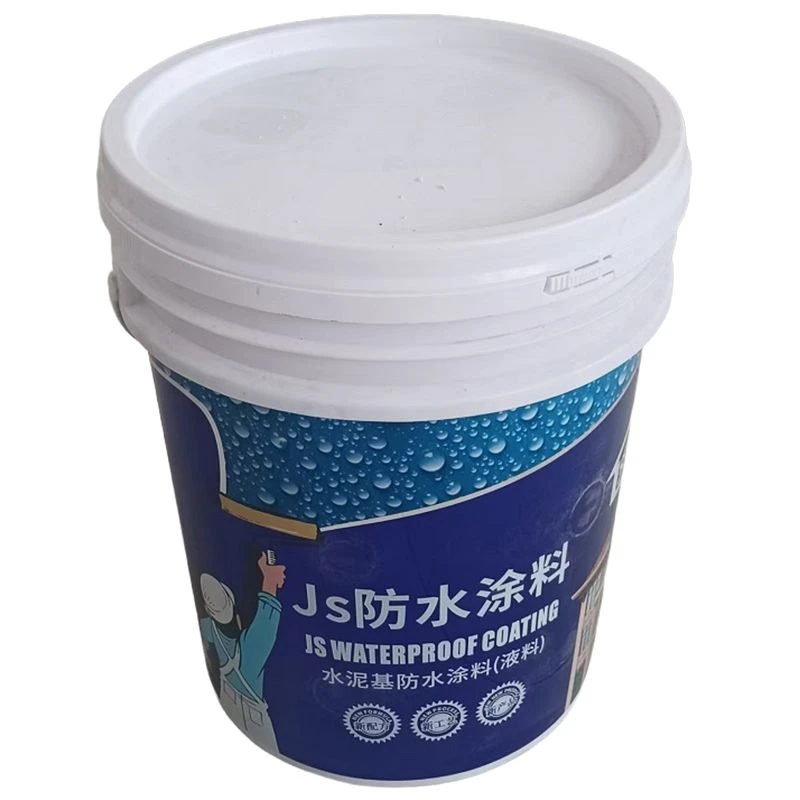
If you are interested in our Polymer Cement Based Waterproof Coating, Tanking Membrane Paint, Interior Waterproof Coating, Interior Waterproof Paint for Walls, or Exterior Decorative Waterproof Paint, we encourage you to contact us for a detailed discussion on your project requirements. Our team of experts is ready to provide you with professional advice and support to ensure the success of your project.
References
- ASTM International. (20XX). Standard test methods for evaluating the performance of bituminous coatings under UV exposure.
- European Committee for Standardization. (20XX). EN standards for polymer - modified bitumen coatings and their UV resistance.
- Research in Polymer Science Journals. Publications on the mechanisms of UV resistance in polymer - modified bituminous materials.