

How does the humidity affect the application of polymer cement based waterproof coating?
Sep 16, 2026
Leave a message
How Humidity Affects the Application of Polymer Cement Based Waterproof Coating
As a supplier of Polymer Cement Based Waterproof Coating, I've witnessed firsthand the crucial role that environmental factors play in the application and performance of our products. Among these factors, humidity stands out as a significant variable that can greatly influence the outcome of a waterproofing project. In this blog post, I'll delve into how humidity affects the application of Polymer Cement Based Waterproof Coating and what you can do to ensure optimal results.
Understanding Polymer Cement Based Waterproof Coating
Polymer Cement Based Waterproof Coating is a popular choice for waterproofing applications due to its excellent adhesion, flexibility, and durability. It is composed of a mixture of cement, polymers, and additives, which combine to form a strong, waterproof membrane when applied to a surface. This coating can be used on a variety of substrates, including concrete, brick, stone, and metal, making it a versatile solution for both residential and commercial projects.
How Humidity Impacts the Application Process
1. Drying Time
One of the most noticeable effects of humidity on Polymer Cement Based Waterproof Coating is the impact on drying time. High humidity levels can significantly slow down the drying process, as the water in the coating has a harder time evaporating into the surrounding air. This can lead to longer waiting periods between coats and delays in the overall project timeline. For example, in a humid environment with a relative humidity of 80%, the drying time of the coating may be doubled compared to a dry environment with a relative humidity of 30%.
2. Cure Rate
Humidity also affects the cure rate of the coating. Cure is the process by which the coating hardens and achieves its final properties. High humidity can inhibit the cure process, resulting in a softer and less durable coating. This is because the excess moisture in the air can prevent the chemical reactions that are necessary for the coating to fully cure. On the other hand, low humidity can cause the coating to dry too quickly, leading to cracking and poor adhesion.
3. Adhesion
The adhesion of Polymer Cement Based Waterproof Coating to the substrate is crucial for its long-term performance. Humidity can have a significant impact on adhesion, as high humidity levels can create a moisture barrier between the coating and the substrate. This can prevent the coating from properly bonding to the surface, leading to delamination and peeling. Additionally, if the substrate is already wet or has a high moisture content, the coating may not adhere properly, even in low humidity conditions.
4. Film Formation
The formation of a continuous and uniform film is essential for the waterproofing effectiveness of the coating. High humidity can interfere with film formation, causing the coating to form bubbles, ridges, or uneven surfaces. This can compromise the integrity of the waterproof membrane and reduce its ability to prevent water penetration. In extreme cases, the coating may not form a proper film at all, resulting in poor waterproofing performance.
Ideal Humidity Conditions for Application
To ensure the best results when applying Polymer Cement Based Waterproof Coating, it is important to apply the coating under optimal humidity conditions. Ideally, the relative humidity should be between 40% and 60%. In this range, the coating will dry at a moderate rate, allowing for proper cure and adhesion. Additionally, the substrate should be dry and free of moisture before application. If the substrate is wet, it should be dried thoroughly before applying the coating.
Strategies for Applying Coating in High Humidity
If you need to apply Polymer Cement Based Waterproof Coating in high humidity conditions, there are several strategies you can use to minimize the impact of humidity on the application process:
- Use a Dehumidifier: A dehumidifier can help to reduce the humidity levels in the application area, creating a more favorable environment for the coating to dry and cure.
- Increase Ventilation: Proper ventilation can help to remove moisture from the air and promote faster drying. Open windows and doors, and use fans to circulate the air.
- Choose the Right Time of Day: Apply the coating during the driest part of the day, typically in the morning or late afternoon. Avoid applying the coating during periods of high humidity, such as after a rainstorm or during a humid spell.
- Adjust the Coating Thickness: In high humidity conditions, it may be necessary to apply the coating in thinner layers to allow for faster drying. This can help to prevent the coating from becoming too wet and prolonging the drying time.
Strategies for Applying Coating in Low Humidity
In low humidity conditions, the coating may dry too quickly, leading to cracking and poor adhesion. To prevent these issues, you can:
- Mist the Surface: Lightly mist the surface before applying the coating to increase the moisture content and slow down the drying process.
- Use a Primer: A primer can help to seal the substrate and prevent the coating from drying too quickly. Choose a primer that is compatible with the Polymer Cement Based Waterproof Coating.
- Apply the Coating in Multiple Layers: Apply the coating in multiple thin layers, allowing each layer to dry completely before applying the next. This can help to build up a thicker, more durable coating and prevent cracking.
Related Products
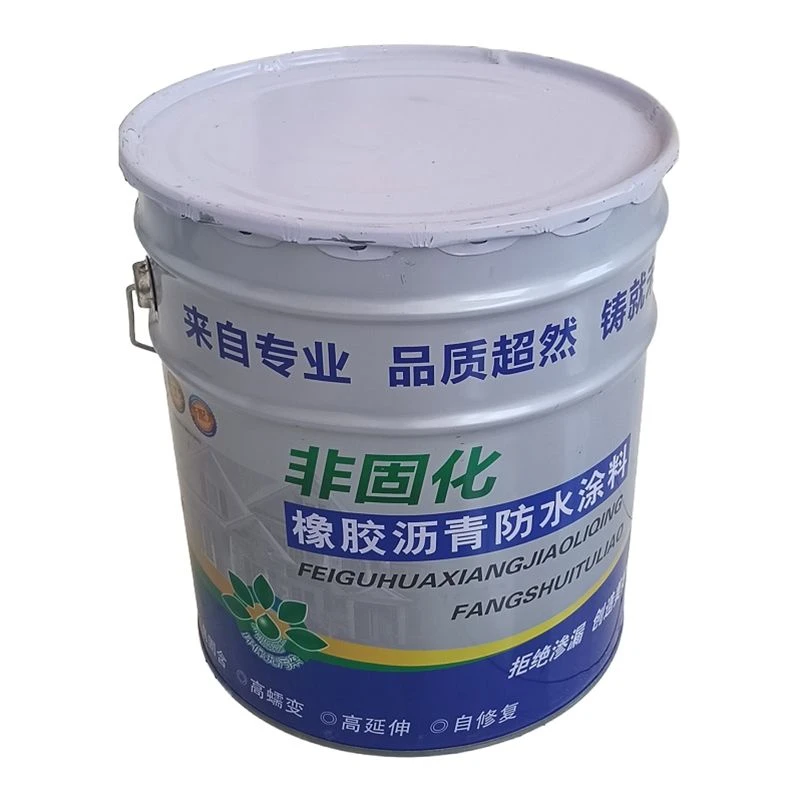
In addition to Polymer Cement Based Waterproof Coating, we also offer a range of other waterproofing solutions to meet your specific needs. These include Waterproof Breathable Masonry Paint, Leak Proof Paint for Terrace, Exterior Decorative Waterproof Paint, Polymer Modified Bitumen Coating, and Waterproof Coating for Metal. Each of these products is designed to provide excellent waterproofing performance in a variety of applications.
Conclusion
Humidity is a critical factor that can significantly impact the application and performance of Polymer Cement Based Waterproof Coating. By understanding how humidity affects the coating and taking appropriate measures to control it, you can ensure that your waterproofing project is a success. Whether you're working in high or low humidity conditions, following the tips and strategies outlined in this blog post will help you achieve optimal results.
If you have any questions about our Polymer Cement Based Waterproof Coating or other waterproofing products, or if you're interested in discussing a specific project, please don't hesitate to contact us. We're here to help you find the best solution for your waterproofing needs.

References
- ASTM International. (Year). Standard Test Methods for Testing Water - Based Waterproofing Membranes Used in Contact with Earth or Vermiculite Backfill.
- Coskun, H., & Demirboga, R. (Year). Influence of environmental conditions on the performance of waterproof coatings. Construction and Building Materials.