

Is TPO Single Ply Membrane suitable for cold climates?
Sep 17, 2026
Leave a message
Is TPO Single Ply Membrane suitable for cold climates?
As a supplier of TPO Single Ply Membrane, I often get asked about the suitability of this product in cold climates. It's a crucial question, as the performance of roofing materials can vary significantly depending on the environmental conditions. In this blog post, I'll delve into the characteristics of TPO Single Ply Membrane and explore whether it's a good fit for areas with cold weather.
Understanding TPO Single Ply Membrane
TPO, or Thermoplastic Olefin, is a type of single - ply roofing membrane that has gained popularity in the roofing industry over the past few decades. TPO Single Ply Membrane offers several advantages, such as excellent resistance to UV rays, ozone, and chemicals. It is also lightweight, flexible, and relatively easy to install, which makes it a cost - effective option for many roofing projects.
One of the key features of TPO membranes is their thermoplastic nature. This means that they can be heated and reformed multiple times, allowing for easy welding during installation. The welded seams create a continuous, watertight barrier that helps to protect the building from water infiltration.
Performance in Cold Climates
When it comes to cold climates, the performance of roofing materials can be severely affected by factors such as low temperatures, snow, ice, and freeze - thaw cycles. Let's take a look at how TPO Single Ply Membrane fares in these conditions.
Low - Temperature Flexibility
In cold weather, the flexibility of a roofing membrane is crucial. A material that becomes brittle at low temperatures is more likely to crack, which can lead to leaks. TPO membranes are known for their good low - temperature flexibility. High - quality TPO membranes can maintain their flexibility even at very low temperatures, reducing the risk of cracking due to cold - induced shrinkage. This is because the polymer composition of TPO is designed to withstand temperature variations without losing its physical properties.
Resistance to Freeze - Thaw Cycles
Freeze - thaw cycles are a common phenomenon in cold climates. When water seeps into small cracks or pores in a roofing material and then freezes, it expands, putting stress on the material. With repeated freeze - thaw cycles, this can cause the material to deteriorate over time. TPO Single Ply Membrane has a relatively low water absorption rate, which means that less water is likely to penetrate the membrane. This, combined with its flexibility, makes it more resistant to damage from freeze - thaw cycles compared to some other roofing materials.
Snow and Ice Load
In areas with heavy snowfall, roofs need to be able to withstand the weight of the snow and ice. TPO membranes have a good strength - to - weight ratio. They are lightweight, which is beneficial as it doesn't add excessive weight to the roof structure. At the same time, they offer sufficient strength to support the snow and ice loads. Additionally, the smooth surface of TPO membranes can sometimes help with the shedding of snow and ice, reducing the load on the roof over time.
Comparison with Other Roofing Materials in Cold Climates
To better understand the suitability of TPO Single Ply Membrane in cold climates, it's useful to compare it with other common roofing materials.
Sbs Modified Bitumen Membrane
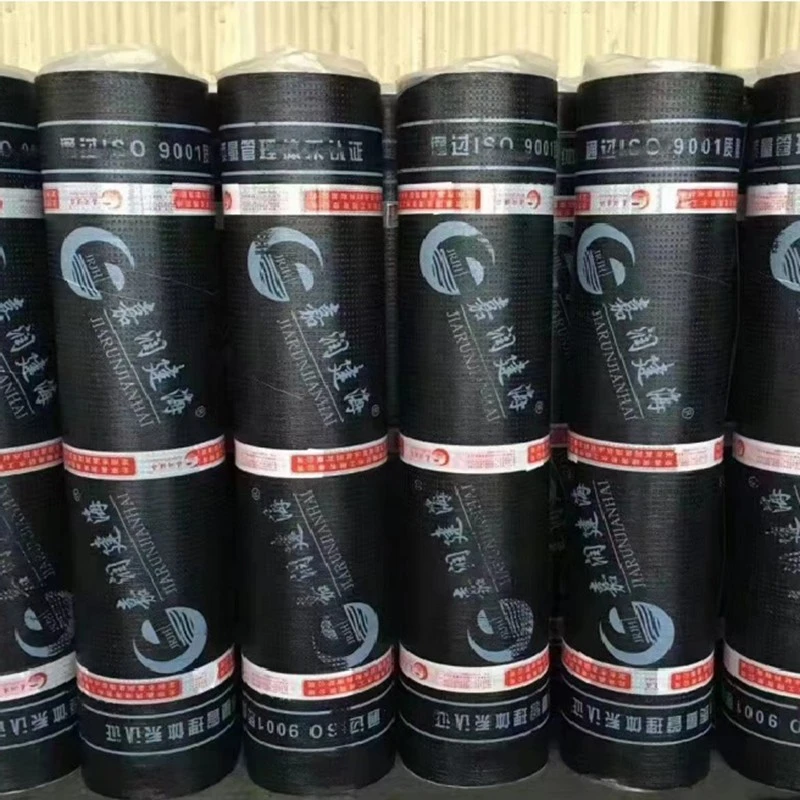
Sbs Modified Bitumen Membrane is a well - known roofing material. While it also offers good waterproofing properties, it may be less flexible at extremely low temperatures compared to TPO. Bitumen - based materials can become stiffer in cold weather, increasing the risk of cracking. TPO, on the other hand, maintains its flexibility, providing better long - term performance in cold climates.
Geotextile Stabilization Fabric
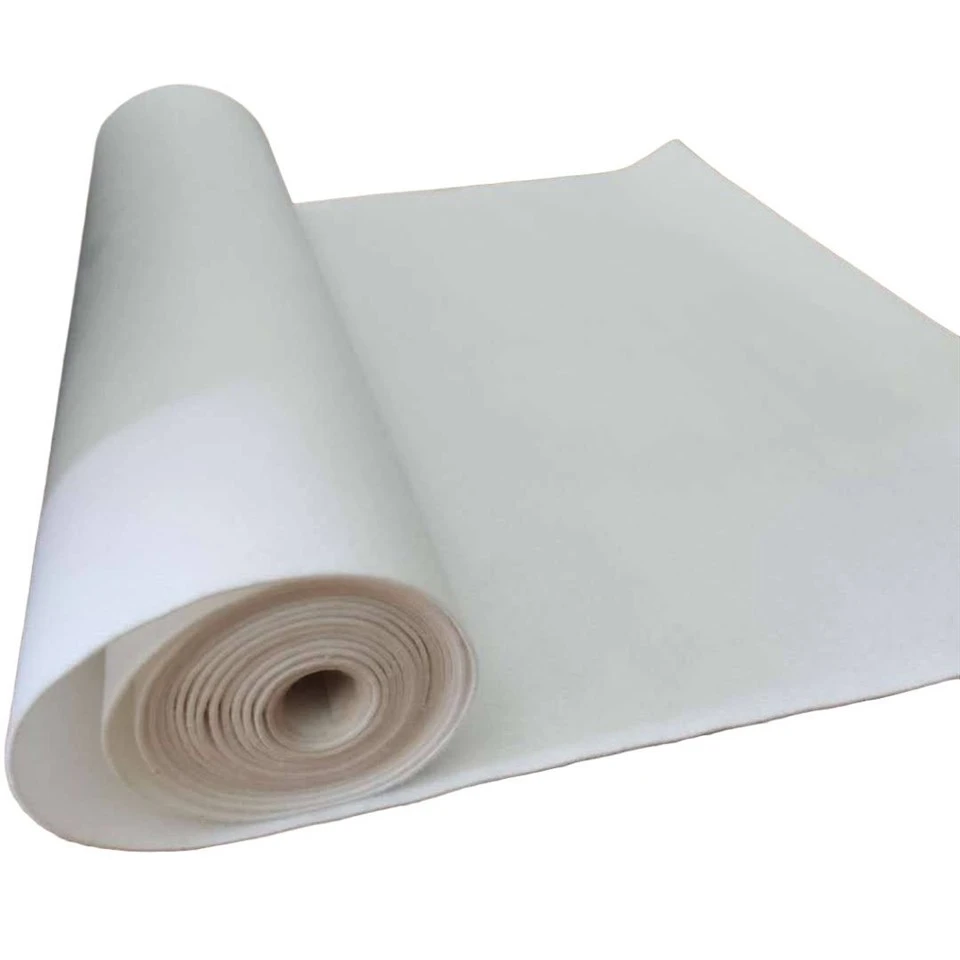
Geotextile Stabilization Fabric is often used in combination with other roofing materials for reinforcement. However, it is not a standalone waterproofing solution. TPO Single Ply Membrane offers both waterproofing and structural integrity on its own, making it a more convenient option for cold - climate roofing projects.
PE PP Composite Waterproof Membrane
PE PP Composite Waterproof Membrane has certain waterproofing capabilities. But its performance in cold climates may be limited by its relatively lower low - temperature flexibility compared to TPO. TPO's ability to stay flexible and resist cracking in cold weather gives it an edge in cold - climate applications.
Self Adhesive Roofing Waterproof Membrane
Self Adhesive Roofing Waterproof Membrane can be easy to install, but in cold weather, the adhesive properties may be affected. Cold temperatures can make the adhesive less effective, leading to potential issues with the membrane's adhesion. TPO membranes, which are welded during installation, do not rely on adhesives for their long - term integrity, making them more reliable in cold climates.
Considerations for Installation in Cold Climates
While TPO Single Ply Membrane has many advantages in cold climates, proper installation is crucial to ensure its optimal performance. Here are some key considerations:
Temperature during Installation
TPO membranes should be installed within a recommended temperature range. Installation at very low temperatures may make the membrane less flexible and more difficult to work with. It's important to follow the manufacturer's guidelines regarding the minimum temperature for installation to ensure proper welding and seam integrity.
Surface Preparation
The roof surface must be clean, dry, and free of any debris or moisture before installing the TPO membrane. In cold climates, it's especially important to remove any ice or snow from the surface. Any moisture trapped beneath the membrane can lead to problems such as delamination or mold growth.
Maintenance in Cold Climates
Regular maintenance is essential for the long - term performance of TPO Single Ply Membrane in cold climates. After heavy snowfalls or ice storms, it's important to check the roof for any signs of damage, such as cracks or loose seams. Removing excess snow from the roof can also help reduce the load and prevent potential damage.
Conclusion
In conclusion, TPO Single Ply Membrane is generally a suitable choice for cold climates. Its low - temperature flexibility, resistance to freeze - thaw cycles, and ability to handle snow and ice loads make it a reliable option for roofing projects in areas with cold weather. When compared to other roofing materials, TPO often offers better performance in cold conditions. However, proper installation and maintenance are essential to ensure the membrane's long - term durability.
If you're considering a roofing project in a cold climate and are interested in TPO Single Ply Membrane, I encourage you to reach out for more information and begin the procurement discussion. Our team of experts is ready to provide you with detailed product information, technical support, and competitive pricing.
References
- [List of relevant industry standards and research papers on roofing materials in cold climates]