

What is the temperature range for applying tanking membrane paint?
Sep 15, 2026
Leave a message
Yo! As a supplier of Tanking Membrane Paint, I get asked a ton about the right temperature range for applying this stuff. You see, getting the temperature right is super crucial when you're working with tanking membrane paint. It can make or break the whole job, and trust me, nobody wants a half - done or botched waterproofing project.
Let's start by breaking down why temperature matters so much. Tanking membrane paint is designed to form a tight, waterproof seal on surfaces, especially in areas prone to water exposure like basements, swimming pools, and underground structures. When the temperature is too low, the paint can become thick and gloopy. It won't spread evenly, and it might not bond properly with the surface. This can lead to air bubbles, uneven coverage, and ultimately, a less effective waterproofing barrier.
On the flip side, if the temperature is too high, the paint can dry too quickly. This may cause the surface to crack or peel as it dries unevenly. The solvents in the paint can evaporate too rapidly, and the paint might not have enough time to penetrate the surface and form a strong, long - lasting bond.
So, what's the sweet spot? Generally speaking, the ideal temperature range for applying tanking membrane paint is between 5°C (41°F) and 30°C (86°F). This range allows the paint to flow smoothly, ensuring good coverage and adhesion. When it's around this temperature, the solvents in the paint evaporate at a steady rate, giving the paint enough time to settle and form a solid, waterproof layer.
But it's not just about the air temperature. You also need to pay attention to the surface temperature. The surface you're applying the paint to should be within a similar temperature range. If the surface is extremely cold, it can cool the paint down quickly, causing the same issues as painting in cold air. For example, if you're painting a basement wall in the winter, even if the air temperature in the basement is okay, the wall itself might be cold because it's in contact with the cold ground. In this case, you might need to warm up the surface slightly before starting the painting process.
Let's talk about some specific scenarios. If you're painting in cooler weather, around 5 - 10°C (41 - 50°F), you'll want to take your time. The paint will be a bit thicker than usual, so use a brush or roller that can handle a more viscous material. You might also need to apply the paint in thinner coats to make sure it spreads evenly. It might take a bit longer for the paint to dry between coats, but that's okay. Better a slow, well - done job than a rushed one.
When it's on the warmer end of the spectrum, say 25 - 30°C (77 - 86°F), you need to work fast. The paint will dry quickly, so you'll need to have all your tools and materials ready. Start from one corner and work your way across the surface in a systematic manner. Make sure you don't leave any puddles of paint, as they'll dry even faster and can cause problems.
Now, I know some of you might be thinking, "What if I can't wait for the perfect temperature?" Well, there are some paints that can tolerate a wider temperature range. But these are usually specialty products. For most standard tanking membrane paints, it's best to stick to the 5 - 30°C range.
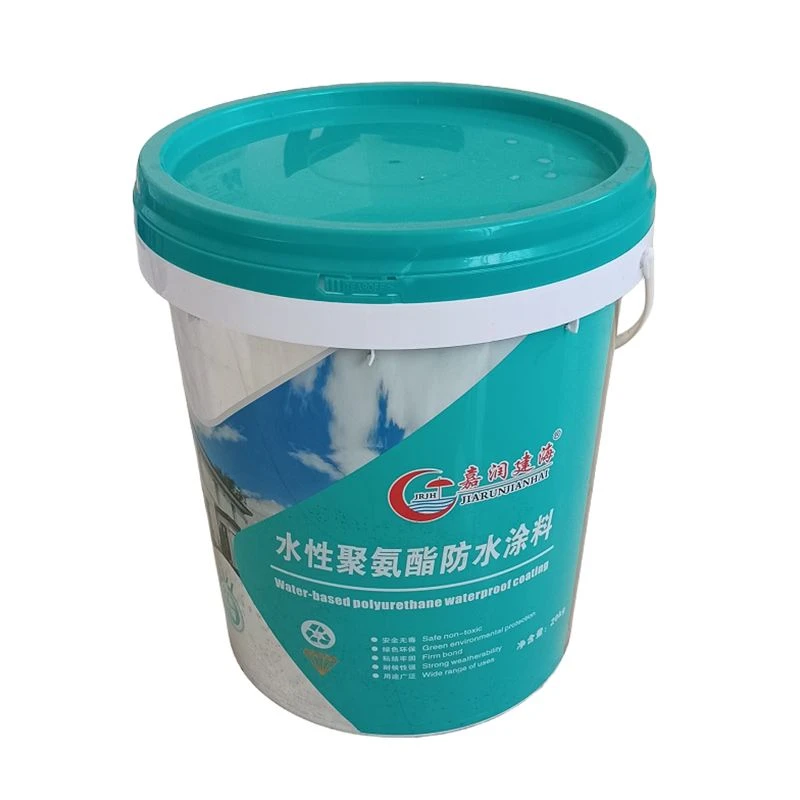
As a supplier, I always recommend doing a small test patch on an inconspicuous area first. This way, you can see how the paint behaves under the current temperature conditions. If it's not spreading well or drying properly, you'll know you need to either adjust the temperature or wait for better conditions.
And hey, if you're in the market for good quality waterproofing materials, we've got a great range of products. Check out our Waterproofing Cement Paint for Roof, which is perfect for protecting your roofs from water damage. Also, our Cementitious Capillary Crystalline Waterproofing Materials are excellent for structures where water penetration is a major concern.
For underground water tanks, our Underground Water Tank Waterproofing Paint provides a reliable and long - lasting waterproofing solution. If you're looking for a more flexible option, our Fibre Reinforced Elastomeric Liquid Waterproofing Membrane is a top choice. And for a great all - around option, our Water Based Polyurethane Waterproof Coating offers high - performance waterproofing.
If you're interested in any of our tanking membrane paints or other waterproofing products, don't hesitate to reach out for a purchase negotiation. We're here to assist you in making the right choice for your waterproofing needs and ensuring a successful project.
References
- "Waterproofing Manual." ABC Publishing.
- "Temperature Effects on Coatings." XYZ Research Institute.