

How to ensure the compatibility of Non Curing Rubber Bitumen Coating with other materials?
Nov 26, 2026
Leave a message
As a supplier of Non Curing Rubber Bitumen Coating, ensuring the compatibility of this product with other materials is crucial for both the performance of the final application and the satisfaction of our customers. In this blog post, we will explore the key factors and steps to guarantee the compatibility of Non Curing Rubber Bitumen Coating with various materials.
Understanding Non Curing Rubber Bitumen Coating
Non Curing Rubber Bitumen Coating is a unique waterproofing material that offers excellent flexibility, durability, and adhesion. It remains in a non - curing state, which means it can adapt to the movement of the substrate over time without cracking or losing its waterproofing properties. This coating is commonly used in a wide range of applications, including roofing, basement waterproofing, and underground structures.
Factors Affecting Compatibility
1. Chemical Composition
The chemical composition of the Non Curing Rubber Bitumen Coating and the other materials it will come into contact with is the primary factor affecting compatibility. Different materials have different chemical structures and reactivity. For example, some polymers may react with the bitumen in the coating, causing swelling, degradation, or a loss of adhesion.
When considering using Non Curing Rubber Bitumen Coating with other materials, it is essential to understand their chemical properties. Check the material safety data sheets (MSDS) of both the coating and the other materials to identify any potential chemical conflicts. For instance, if the other material contains solvents that can dissolve the rubber or bitumen components of the coating, it will lead to poor compatibility.
2. Physical Properties
Physical properties such as hardness, flexibility, and thermal expansion coefficient also play a significant role in compatibility. The Non Curing Rubber Bitumen Coating is highly flexible, so if it is applied with a rigid material that has a low flexibility, the difference in movement during temperature changes or structural movements can cause the coating to separate from the substrate or crack.
Moreover, the thermal expansion coefficient of the materials should be similar. If one material expands or contracts much more than the coating during temperature variations, it can create stress at the interface between the two materials, leading to failure.
3. Surface Condition
The surface condition of the substrate and any other materials in contact with the Non Curing Rubber Bitumen Coating is vital. A dirty, oily, or uneven surface can prevent the coating from adhering properly, reducing compatibility. Before applying the coating, the surface should be thoroughly cleaned, dried, and, if necessary, primed.
For example, if the substrate has loose particles or contaminants, the coating may not bond well, and water can penetrate between the coating and the substrate, compromising the waterproofing system.
Compatibility Testing
1. Small - Scale Tests
Before large - scale application, it is recommended to conduct small - scale compatibility tests. Cut small samples of the materials that will be in contact with the Non Curing Rubber Bitumen Coating and apply the coating to these samples. Observe the samples over a period of time, checking for any signs of chemical reaction, such as discoloration, bubbling, or softening.
Also, subject the samples to different environmental conditions, including temperature changes and humidity, to simulate real - world scenarios. This can help identify potential long - term compatibility issues.
2. Adhesion Tests
Adhesion is a critical aspect of compatibility. Use standard adhesion testing methods, such as the pull - off test, to measure the bond strength between the Non Curing Rubber Bitumen Coating and the other material. A high - strength bond indicates good compatibility, while a weak bond may require further investigation or the use of an appropriate primer.
Compatibility with Common Materials
1. Concrete
Concrete is a widely used substrate for Non Curing Rubber Bitumen Coating in applications like basement waterproofing. Concrete is porous and can absorb moisture, which may affect the adhesion of the coating. To ensure compatibility, the concrete surface should be properly prepared. It can be treated with a suitable primer to improve adhesion and reduce the risk of moisture migration.
In addition, consider the curing state of the concrete. Newly poured concrete may still be releasing moisture, which can cause problems with the coating. Wait until the concrete is fully cured before applying the Non Curing Rubber Bitumen Coating.
2. Metal
When using Non Curing Rubber Bitumen Coating on metal surfaces, such as roofing sheets, proper surface preparation is essential. Metal surfaces are prone to rusting, and rust can prevent the coating from adhering. Clean the metal surface to remove any rust, dirt, or oil, and then apply a rust - inhibiting primer if necessary.
The thermal expansion and contraction of metal are different from that of the coating, so it is important to design the waterproofing system to accommodate these differences. For example, use expansion joints or flexible connections to minimize stress on the coating.
3. Other Waterproofing Materials
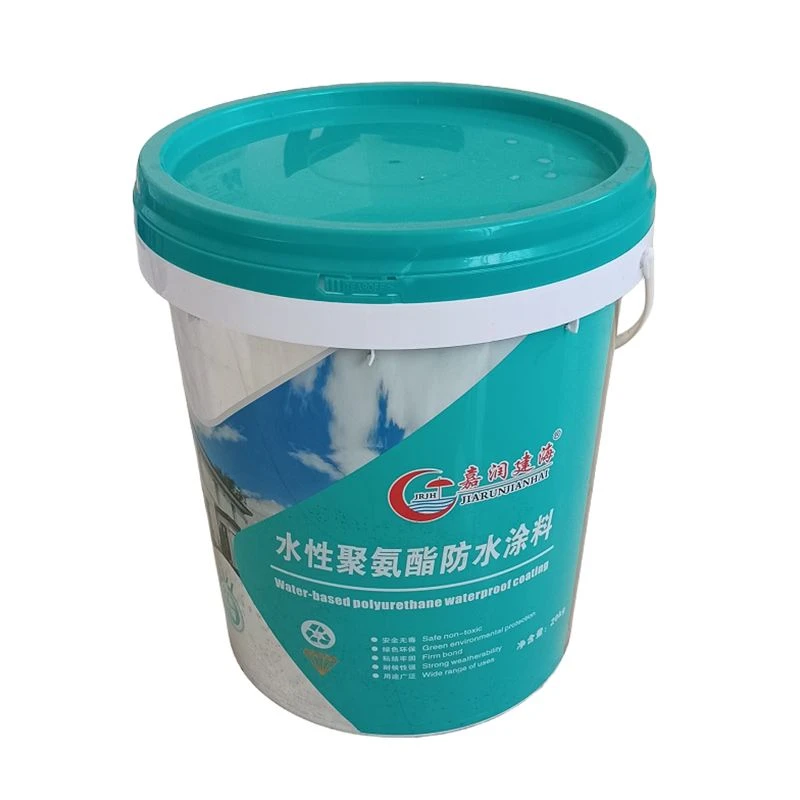
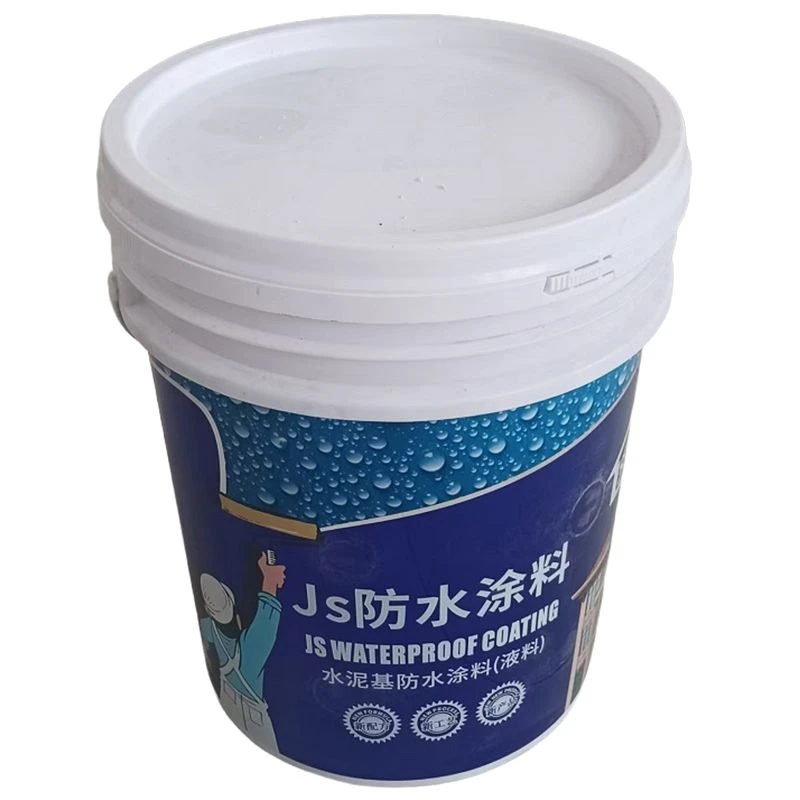
In some cases, Non Curing Rubber Bitumen Coating may be used in combination with other waterproofing materials. For example, it can be used in conjunction with Polymer Cement Based Waterproof Coating. When using multiple waterproofing materials, compatibility testing is even more important.
Ensure that the application sequence of the materials is correct. Generally, the Non Curing Rubber Bitumen Coating should be applied in a way that does not interfere with the curing or performance of the other materials. For instance, if using Underground Water Tank Waterproofing Paint in combination with our coating, make sure that the two materials do not react chemically and that they can work together to provide a reliable waterproofing system.
Case Studies
Let's take a look at a real - world example of ensuring compatibility. A construction project for an underground parking lot required waterproofing with Non Curing Rubber Bitumen Coating. The substrate was concrete, and there were also some metal pipes and fixtures in the area.
First, the concrete surface was thoroughly cleaned and primed to improve the adhesion of the coating. For the metal pipes, they were sandblasted to remove rust and then coated with a rust - inhibiting primer. Small - scale compatibility tests were conducted on both concrete and metal samples to ensure that the coating would bond well.
During the application, the coating was carefully applied around the metal pipes to ensure proper coverage and adhesion. After the application, the waterproofing system was inspected regularly, and no signs of compatibility issues were found. The project was a success, with the waterproofing system effectively protecting the underground parking lot from water damage.
Conclusion
Ensuring the compatibility of Non Curing Rubber Bitumen Coating with other materials is a complex but essential task. By understanding the chemical and physical properties of the materials, conducting proper compatibility tests, and following the correct application procedures, we can achieve a reliable and long - lasting waterproofing system.
If you are interested in our [Non Curing Rubber Bitumen Coating](product - link - placeholder) or have any questions about compatibility with other materials, don't hesitate to contact us for further discussion and potential procurement. Our team of experts is ready to assist you in finding the best solutions for your waterproofing needs. We also offer other related waterproofing products such as Water Based Polyurethane Waterproof Coating, Fibre Reinforced Elastomeric Liquid Waterproofing Membrane, and Interior Waterproof Coating.
References
- ASTM International Standards on waterproofing materials and compatibility testing.
- Manufacturer's technical data sheets for Non Curing Rubber Bitumen Coating and other related materials.
- Construction industry best practices for waterproofing applications.