

Is tanking membrane paint suitable for water - treatment plants?
Nov 24, 2026
Leave a message
As a reputable supplier of tanking membrane paint, I've been asked numerous times whether our product is a good fit for water - treatment plants. In this blog post, I'll explore the key considerations, advantages, and potential drawbacks to help you make an informed decision.
Understanding the Requirements of Water - Treatment Plants
Water - treatment plants are complex facilities that require high - quality and durable materials to ensure their proper functioning. These plants are constantly exposed to water, chemicals, and varying temperatures. The structures within a water - treatment plant, such as tanks, reservoirs, and pipes, need to be protected from corrosion, leakage, and chemical damage.
The water used in treatment plants can contain a wide range of substances, including acids, alkalis, and heavy metals. These substances can be extremely corrosive, and if not properly protected, they can cause significant damage to the infrastructure. Additionally, the constant presence of water means that there is a high risk of leakage, which can lead to environmental contamination and operational disruptions.
What is Tanking Membrane Paint?
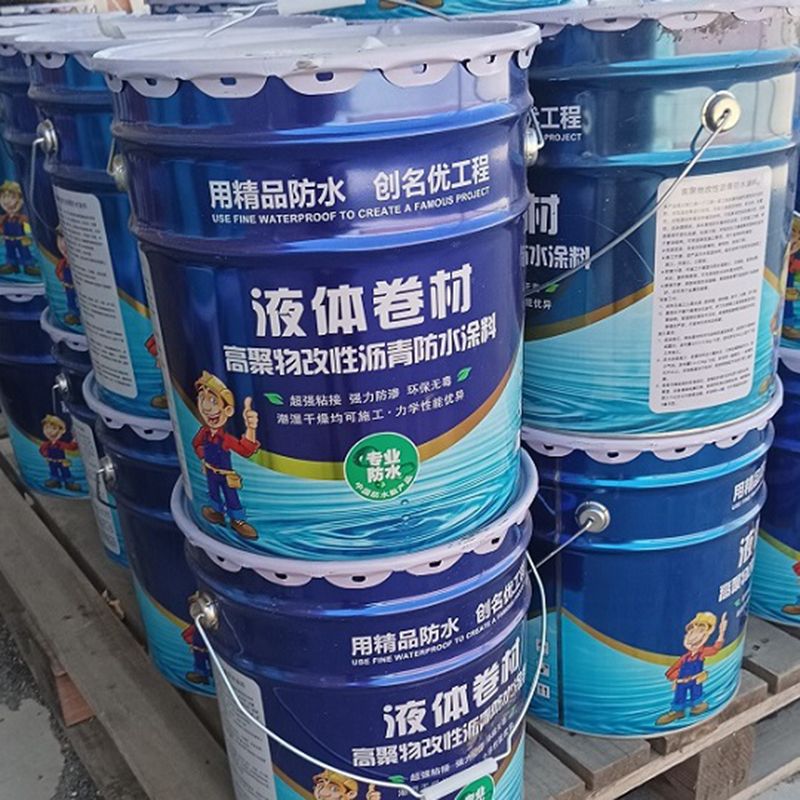
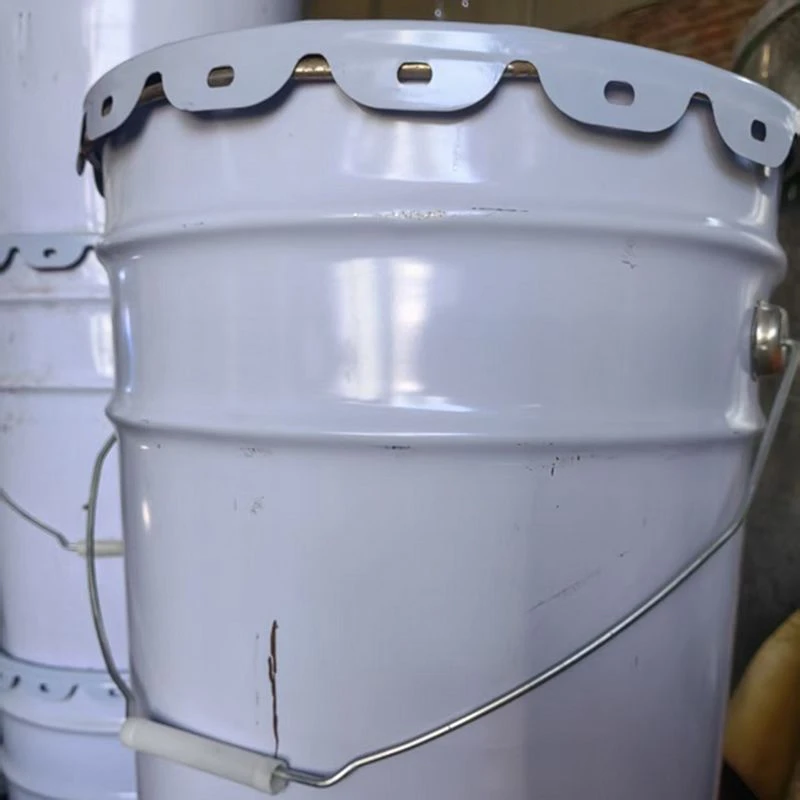
Tanking membrane paint is a specialized type of coating designed to provide waterproofing and protection to various surfaces. It forms a continuous, flexible membrane that prevents water from penetrating the substrate. This paint is typically applied to basements, water tanks, and other areas where waterproofing is essential.
Our tanking membrane paint has several key features. It is highly resistant to water, chemicals, and abrasion. The paint also has excellent adhesion properties, ensuring that it bonds well to the surface being coated. Furthermore, it is flexible enough to accommodate movement in the substrate, which is important in preventing cracks and leaks.
Advantages of Using Tanking Membrane Paint in Water - Treatment Plants
1. Waterproofing
One of the most significant advantages of tanking membrane paint is its excellent waterproofing capabilities. In water - treatment plants, where water is constantly present, preventing leakage is of utmost importance. The paint forms a tight seal on the surface, preventing water from seeping through and causing damage to the underlying structure.
2. Chemical Resistance
As mentioned earlier, water in treatment plants can contain various chemicals. Our tanking membrane paint is formulated to resist a wide range of chemicals, including acids, alkalis, and salts. This chemical resistance helps to protect the infrastructure from corrosion and extends its lifespan.
3. Durability
Water - treatment plants operate 24/7, and the structures need to withstand continuous use and harsh environmental conditions. Tanking membrane paint is highly durable and can withstand abrasion, impact, and temperature changes. This durability ensures that the coating remains intact for a long time, reducing the need for frequent repairs and replacements.
4. Easy Application
Compared to some other waterproofing methods, tanking membrane paint is relatively easy to apply. It can be applied using standard painting equipment, such as brushes, rollers, or sprayers. This ease of application reduces installation time and labor costs.
Potential Drawbacks and Considerations
1. Surface Preparation
Proper surface preparation is crucial for the effective application of tanking membrane paint. The surface must be clean, dry, and free of any contaminants, such as dust, grease, or loose material. If the surface is not properly prepared, the paint may not adhere well, leading to peeling or cracking.
2. Compatibility with Existing Materials
Before applying tanking membrane paint in a water - treatment plant, it is important to ensure that it is compatible with the existing materials. Some paints may react with certain substrates or coatings, causing damage or reducing the effectiveness of the paint.
3. Cost
While tanking membrane paint can provide long - term protection, the initial cost of the paint and the application process may be higher compared to some alternative waterproofing methods. However, it's important to consider the long - term savings in terms of reduced maintenance and repair costs.
Our Range of Related Products
In addition to our tanking membrane paint, we offer a variety of other waterproofing solutions that may be suitable for water - treatment plants. These include:
- Waterproof Breathable Masonry Paint: This paint is ideal for masonry surfaces in water - treatment plants. It allows the structure to breathe while still providing excellent waterproofing.
- Elastomeric Waterproofing Liquid Membrane Coating: This high - performance coating is highly flexible and can withstand significant movement in the substrate. It is suitable for areas where there is a risk of expansion and contraction.
- Exterior Decorative Waterproof Paint: This paint not only provides waterproofing but also adds a decorative touch to the exterior surfaces of water - treatment plants.
- Interior Waterproof Coating: Specifically designed for interior applications, this coating can protect the internal surfaces of tanks and other structures in water - treatment plants.
- Acrylic Based Waterproofing Paint: This paint offers good water resistance and is easy to apply. It is a cost - effective option for many water - treatment plant applications.
Conclusion
In conclusion, tanking membrane paint can be a suitable solution for water - treatment plants. Its waterproofing, chemical resistance, and durability make it a strong candidate for protecting the infrastructure in these facilities. However, it's important to consider the surface preparation, compatibility with existing materials, and cost.
If you're involved in a water - treatment plant project and are considering using tanking membrane paint or any of our other waterproofing products, we encourage you to reach out for a detailed consultation. Our team of experts can provide you with all the information you need and help you make the right choice for your specific requirements. Contact us to discuss your procurement needs and start a productive partnership.
References
- "Waterproofing Materials for Industrial Applications," Journal of Construction Materials Science, Vol. 23, Issue 4.
- "Chemical Resistance of Coatings in Water - Treatment Environments," International Journal of Corrosion and Protection, Vol. 15, Issue 2.
- "Best Practices for Surface Preparation in Waterproofing Projects," Construction Technology Review, Vol. 30, Issue 1.