

What are the latest research trends in Geocomposite Clay Liner?
Aug 24, 2026
Leave a message
Hey there! As a supplier of Geocomposite Clay Liner, I'm super stoked to share with you the latest research trends in this field. Geocomposite Clay Liners (GCLs) have been around for a while, but there's always new stuff going on in the research world that could change how we use and think about them.
1. Environmental Sustainability
One of the biggest trends right now is all about making GCLs more environmentally friendly. We're living in a time where sustainability is key, and the construction and waste management industries are no exception. Researchers are looking into ways to use more natural and recycled materials in GCL production. For example, some studies are exploring the use of agricultural waste or recycled polymers in the manufacturing process. This not only reduces the environmental impact but also cuts down on costs.
Another aspect of sustainability is the long - term performance of GCLs in the environment. There's a growing interest in understanding how GCLs interact with different soil types, water conditions, and climate factors over time. By ensuring that GCLs can maintain their integrity and functionality for decades, we can prevent environmental contamination and reduce the need for frequent replacements.
2. Enhanced Performance Characteristics
Improving the performance of GCLs is always on the research agenda. One area of focus is increasing the hydraulic conductivity of GCLs. Hydraulic conductivity is a measure of how easily water can pass through a material. A lower hydraulic conductivity means better waterproofing, which is crucial for applications like landfill liners and waterproofing membranes.
Researchers are also looking at ways to enhance the mechanical properties of GCLs. This includes improving their tensile strength, puncture resistance, and tear resistance. By making GCLs more robust, we can ensure that they can withstand the rigors of installation and long - term use. For instance, in applications where heavy equipment is used during installation, a GCL with high puncture resistance can prevent damage and maintain its effectiveness.
3. New Applications
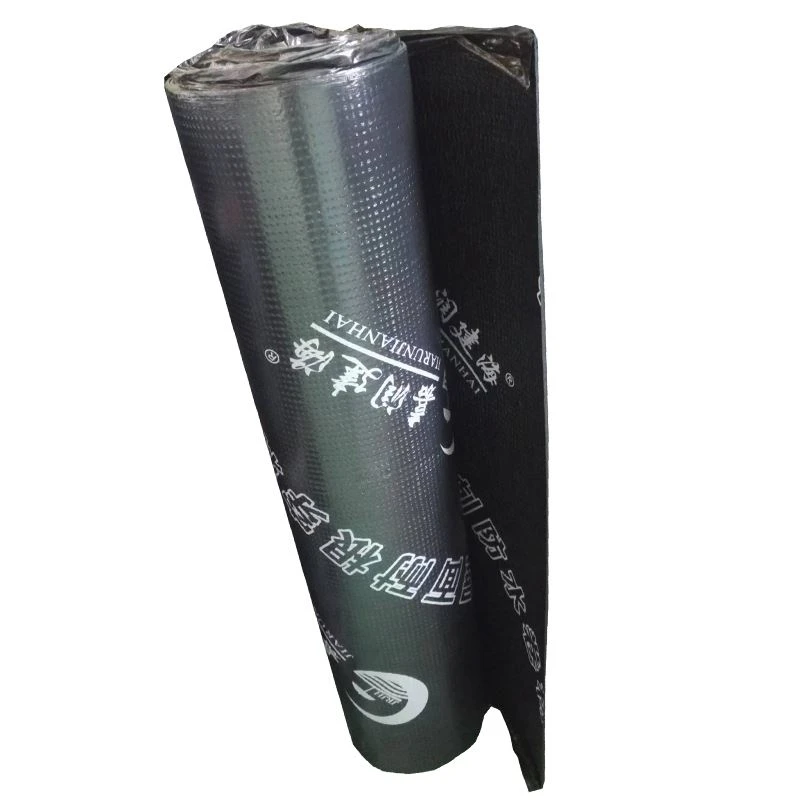
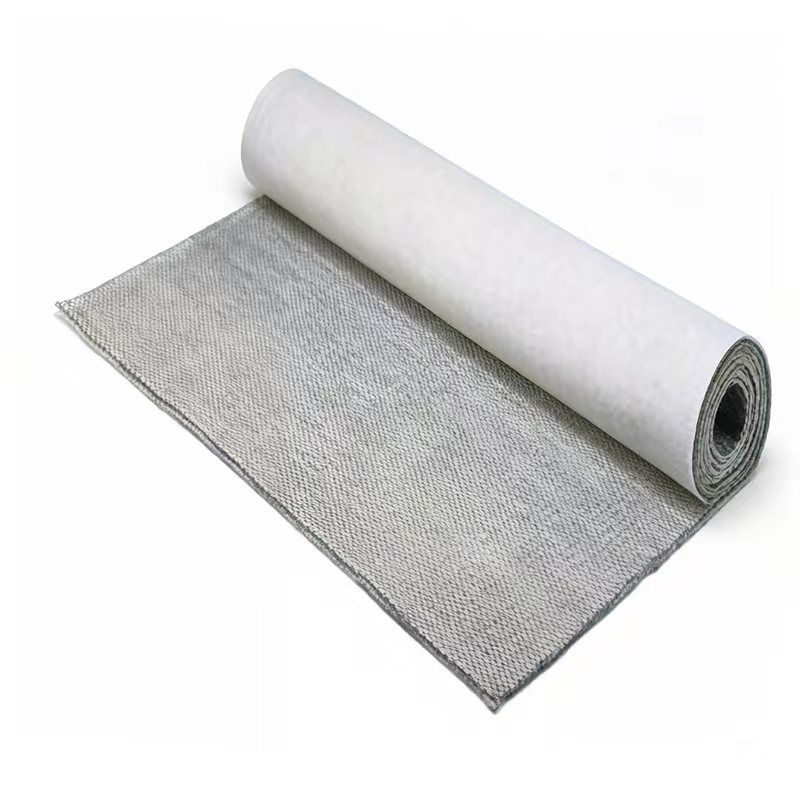
The potential applications of GCLs are expanding. Traditionally, GCLs have been used mainly in landfill liners and waste containment systems. However, recent research is opening up new possibilities. One emerging application is in Crawl Space Waterproofing Membrane. Crawl spaces are often prone to moisture problems, which can lead to mold growth and structural damage. GCLs can provide an effective barrier against water infiltration, helping to keep crawl spaces dry and healthy.
Another new application is in Green Roof Waterproof Membrane. Green roofs are becoming increasingly popular for their environmental benefits, such as reducing energy consumption and improving air quality. GCLs can be used as a waterproof layer in green roofs, protecting the building structure from water damage while also providing a stable base for the vegetation.
4. Compatibility with Other Materials
GCLs are often used in combination with other materials, such as geomembranes and geotextiles. Research is being done to understand the compatibility between GCLs and these other materials. For example, when a GCL is used in conjunction with a TPO Single Ply Membrane or an Epdm Single Ply Roofing Membrane, it's important to ensure that the materials work well together. This includes looking at factors like chemical compatibility, adhesion, and long - term performance.
5. Advanced Testing Methods
As the demand for high - quality GCLs grows, so does the need for more advanced testing methods. Researchers are developing new techniques to accurately measure the properties of GCLs, such as their hydraulic conductivity, mechanical strength, and chemical resistance. These advanced testing methods can provide more reliable data, which is essential for ensuring that GCLs meet the required standards and perform as expected in real - world applications.
Why Our Geocomposite Clay Liners Are Great
As a supplier, we're always keeping an eye on these research trends. We use the latest findings to improve our Geocomposite Clay Liner products. Our GCLs are made with high - quality materials, and we ensure that they meet all the relevant industry standards.
We offer a range of GCLs to suit different applications. Whether you're working on a landfill project, a crawl space waterproofing job, or a green roof installation, we have the right GCL for you. Our products are not only effective but also environmentally friendly, which is something that's becoming increasingly important to our customers.
Let's Talk Business
If you're in the market for Geocomposite Clay Liners, I'd love to have a chat with you. Whether you have questions about our products, need help with choosing the right GCL for your project, or want to discuss pricing and delivery options, I'm here to assist. Reach out to us, and let's start a conversation about how our GCLs can meet your needs.
References
- Smith, J. (2022). "Advances in Geocomposite Clay Liner Technology". Journal of Geotechnical Engineering.
- Johnson, A. (2023). "Sustainable Applications of Geocomposite Clay Liners". Environmental Science Review.
- Brown, C. (2023). "New Testing Methods for Geocomposite Clay Liners". Geomaterials Research Journal.