

What are the applications of Geocomposite Clay Liner in water treatment?
Aug 25, 2026
Leave a message
Hey there! As a supplier of Geocomposite Clay Liner, I'm super stoked to chat about its awesome applications in water treatment.
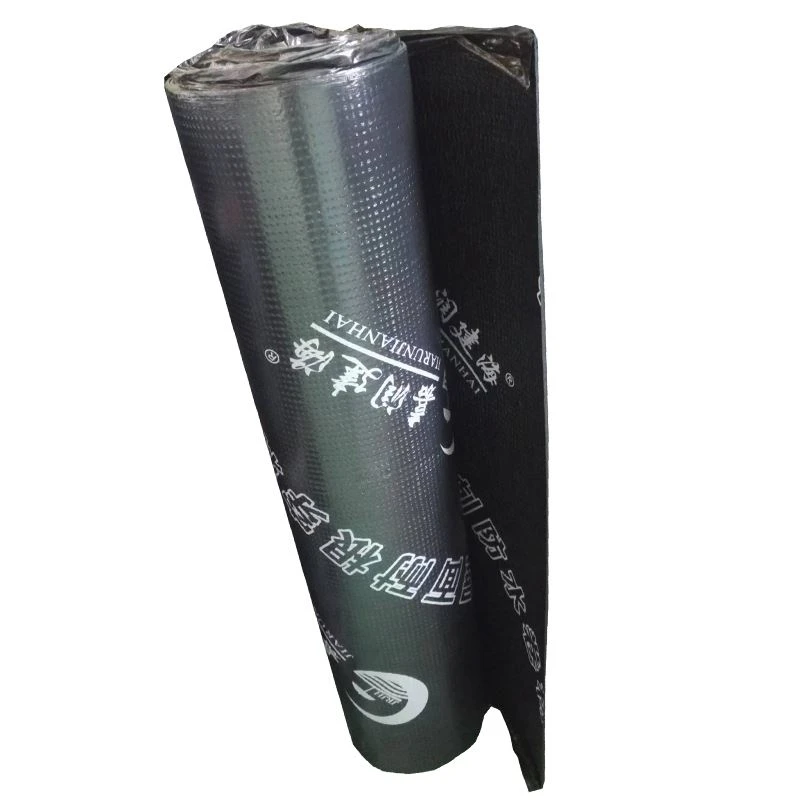
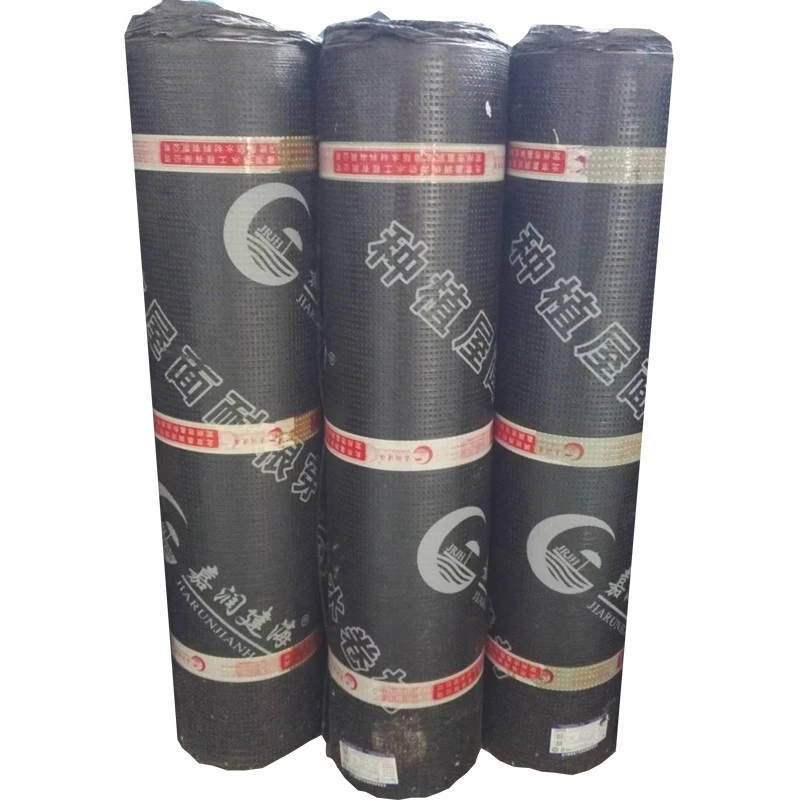
First things first, let's get a basic understanding of what Geocomposite Clay Liner (GCL) is. It's a composite material that combines a layer of bentonite clay with geosynthetics. Bentonite clay is known for its amazing swelling and sealing properties, and when it's paired with geosynthetics, it creates a super - effective barrier for water.
Landfill Leachate Containment
One of the most significant applications of GCL in water treatment is in landfill leachate containment. Landfills produce leachate, which is basically a toxic soup of water and harmful chemicals that seep out from the garbage. If this leachate gets into the groundwater, it can seriously contaminate it.
GCLs act as a barrier between the landfill and the surrounding environment. When the GCL comes in contact with water, the bentonite clay swells and forms a low - permeability layer. This layer prevents the leachate from leaking out and into the groundwater. It's like an invisible shield that protects our precious water resources. For example, in many modern landfills, GCLs are installed at the bottom of the landfill pits. They're laid down in multiple layers to ensure maximum protection. And trust me, it works! It helps keep our groundwater clean and safe from the harmful chemicals in landfill leachate.
Constructed Wetlands
Constructed wetlands are artificial wetlands used for wastewater treatment. They're pretty cool because they mimic the natural processes of wetlands to purify water. GCLs play a crucial role in these constructed wetlands.
In a constructed wetland, the GCL is placed at the bottom of the wetland basin. It acts as a liner to prevent water from seeping into the ground. This is important because it allows the water to stay in the wetland long enough for the natural treatment processes to occur.
The plants in the wetland take up nutrients from the water, and the microorganisms in the soil break down pollutants. If the water were to seep out too quickly, these treatment processes wouldn't have enough time to work effectively. So, the GCL helps maintain the water level and ensures that the water is treated properly. It also helps in retaining the water in the wetland, which is essential for the survival of the wetland ecosystem.
Pond and Reservoir Sealing
Ponds and reservoirs are important sources of water for various purposes, like irrigation, drinking water supply, and even recreational activities. However, they can sometimes suffer from seepage issues. That's where GCLs come in handy.
When we install a GCL at the bottom and sides of a pond or reservoir, it creates an impermeable barrier. This barrier stops the water from seeping into the ground, reducing water loss. This is not only great for conserving water but also for maintaining the water level in the pond or reservoir.
For example, if you have a small garden pond, using a GCL liner can ensure that the water stays in the pond. You won't have to keep refilling it constantly, which saves you both time and water. In larger water bodies like reservoirs, the use of GCLs can have a huge impact on water conservation. It helps to ensure a stable water supply for the community and for agricultural purposes.
Wastewater Treatment Plants
Wastewater treatment plants are responsible for cleaning up sewage and other types of wastewater before it's released back into the environment. GCLs can be used in different parts of these treatment plants.
In the primary treatment tanks, where large solids are removed from the wastewater, GCLs can be used as a liner to prevent any leakage. This ensures that the wastewater stays within the treatment system and doesn't contaminate the surrounding soil or groundwater.
In sludge storage areas, GCLs also play an important role. Sludge is the solid waste that's left over after the wastewater treatment process. It can contain a lot of harmful substances. By using a GCL liner in the sludge storage area, we can prevent any potential leakage of these harmful substances into the environment.
Comparison with Other Waterproofing Materials
Now, let's talk about how GCLs stack up against other waterproofing materials in water treatment applications. There are several other types of waterproofing membranes available in the market, such as Green Roof Waterproof Membrane, Pre Applied Waterproof Membrane, Impermeable Geomembrane, Epdm Single Ply Roofing Membrane, and Basement Floor Membrane.
Compared to some of these membranes, GCLs have some unique advantages. For one, GCLs are more environmentally friendly. The bentonite clay is a natural material, so it doesn't introduce any harmful chemicals into the environment. In contrast, some synthetic waterproofing membranes may release chemicals over time.
GCLs are also more self - healing. If there's a small puncture or tear in the GCL, the bentonite clay can swell and seal the hole on its own. This is not always the case with other types of membranes, which may require extensive repairs if damaged.
Why Choose Our Geocomposite Clay Liner
As a supplier, I can tell you that our GCLs are top - notch. We use high - quality bentonite clay and durable geosynthetics in our products. Our manufacturing process ensures that the GCLs have consistent quality and performance.
We offer a wide range of GCL products to suit different water treatment applications. Whether you need a GCL for a small pond or a large landfill, we've got you covered. Our team of experts can also provide you with technical support and advice on the installation and use of our GCLs.
Let's Connect for Your Water Treatment Needs
If you're involved in any water treatment projects and are looking for a reliable Geocomposite Clay Liner, I'd love to hear from you. We can discuss your specific requirements and find the best GCL solution for you. Reach out to kick - start a conversation about how our products can benefit your project.
References
- Rowe, R. K. (2005). Geosynthetic clay liners: A state - of - the - art review. Geotextiles and Geomembranes, 23(2), 125 - 170.
- Daniel, D. E., & Wu, W. (1993). Hydraulic conductivity of geosynthetic clay liners permeated with non - standard liquids. Journal of Geotechnical Engineering, 119(11), 1767 - 1782.
- Koerner, R. M. (2012). Designing with Geosynthetics. Pearson.