

What is the definition of Pvc Single Ply Membrane?
Oct 15, 2026
Leave a message
A PVC single ply membrane is a flexible, durable, and weather - resistant roofing or waterproofing material composed primarily of polyvinyl chloride. As a leading supplier of PVC single ply membranes, I'm excited to delve into its definition, properties, applications, and advantages.
Components and Manufacturing
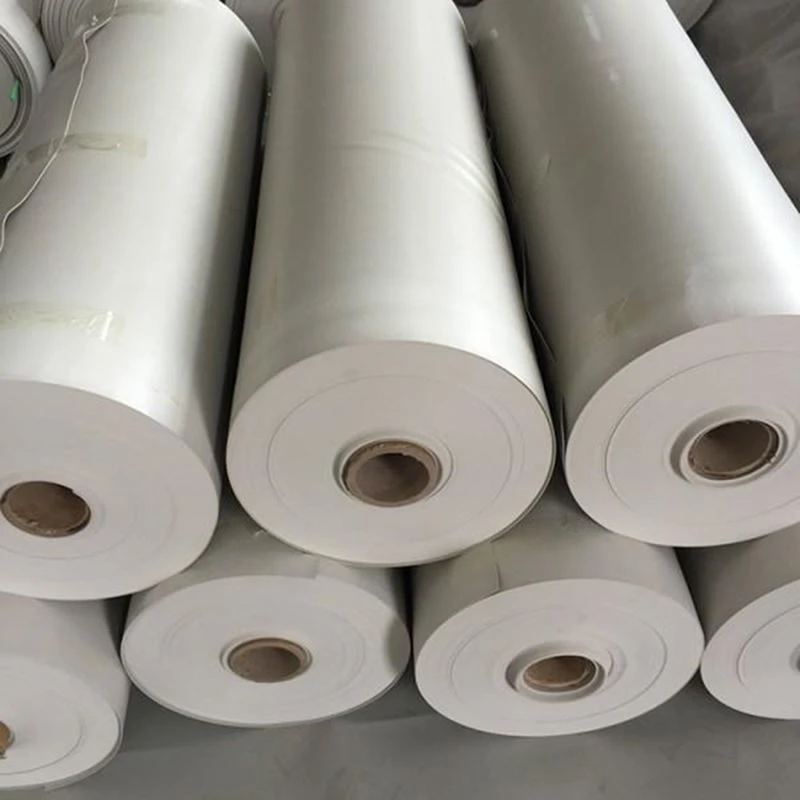
PVC single ply membranes are synthesized from polyvinyl chloride, a widely used thermoplastic polymer. During manufacturing, PVC resin is combined with various additives such as plasticizers, stabilizers, fillers, and pigments. Plasticizers are used to make the membrane flexible and pliable, ensuring it can conform to different roof shapes and contours. Stabilizers protect the PVC from degradation caused by heat, light, and chemical exposure, thus extending the membrane's lifespan. Fillers can enhance the membrane's mechanical properties like strength and tear resistance, while pigments give it color and UV protection.
The manufacturing process typically involves extrusion or calendering. In extrusion, the PVC compound is heated and forced through a die to form a continuous sheet of the desired thickness and width. Calendering, on the other hand, involves passing the PVC material through a series of heated rollers to create a smooth, uniform membrane. The resulting sheets are then often reinforced with polyester or fiberglass scrims to improve their strength and dimensional stability.
Physical and Chemical Properties
- Flexibility: PVC single ply membranes are highly flexible, which allows them to be easily installed on roofs with complex geometries, including curved or irregular surfaces. This flexibility also enables the membrane to withstand thermal expansion and contraction without cracking or delaminating.
- Weather Resistance: These membranes exhibit excellent resistance to various weather conditions. They can endure extreme temperatures, from freezing cold to scorching heat, without significant deterioration. Additionally, they are resistant to UV radiation, which helps prevent discoloration and embrittlement over time.
- Waterproofing: One of the primary functions of PVC single ply membranes is to provide reliable waterproofing. Their dense structure and low permeability prevent water penetration, protecting the underlying structure from water damage, such as rot, mold growth, and corrosion.
- Chemical Resistance: PVC membranes are resistant to many chemicals, including acids, alkalis, and solvents commonly found in industrial environments. This makes them suitable for use in areas where chemical exposure is a concern, such as chemical plants and laboratories.
Applications
- Roofing: PVC single ply membranes are widely used in commercial and industrial roofing applications. They can be installed on flat or low - slope roofs using various methods, such as fully adhered, mechanically attached, or ballasted. The membranes provide a long - lasting, watertight seal, protecting the building's interior from water infiltration and reducing energy costs by reflecting sunlight.
- Waterproofing of Foundations and Basements: These membranes can also be used to waterproof foundations and basements. They are applied to the exterior walls of the foundation to prevent groundwater from seeping into the building. The flexibility of the PVC membrane allows it to adapt to the movement of the foundation, ensuring a continuous waterproof barrier.
- Landfill Liners: In environmental applications, PVC single ply membranes are used as landfill liners. They prevent the leaching of contaminants from the landfill into the surrounding soil and groundwater, protecting the environment from pollution.
Advantages Compared to Other Membranes
- When compared to Concrete Roof Waterproofing Membrane, PVC single ply membranes offer greater flexibility. Concrete - based waterproofing membranes are often rigid and may crack under stress, while PVC membranes can bend and stretch without losing their integrity.
- Geotextile Stabilization Fabric is mainly used for soil stabilization, but it does not provide the same level of waterproofing as PVC single ply membranes. PVC membranes are specifically designed to create a watertight barrier, making them more suitable for applications where waterproofing is the primary concern.
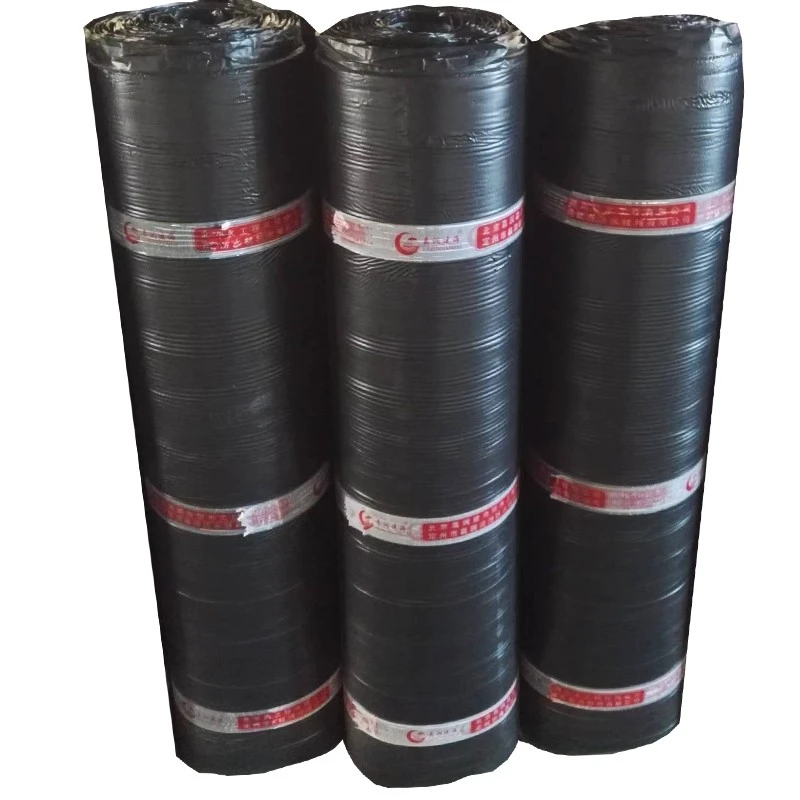
- Black Waterproofing Membrane may absorb more heat due to its color, leading to higher temperatures on the roof surface. PVC single ply membranes are available in a variety of colors, including light - colored options that reflect sunlight, reducing the heat island effect and energy consumption.
- Self Adhesive Polymer Modified Bitumen Membrane can be difficult to install in cold weather, as the adhesive may not bond properly. PVC single ply membranes can be installed in a wider range of temperatures, providing more flexibility in installation scheduling.
Installation Considerations
Proper installation is crucial for the performance of PVC single ply membranes. Before installation, the roof surface must be clean, dry, and free of debris. Any cracks or irregularities should be repaired to ensure a smooth substrate. The membrane can be installed using different methods:
- Fully Adhered: In this method, the membrane is bonded to the roof deck using a special adhesive. This provides a strong, continuous bond and is suitable for areas with high wind loads.
- Mechanically Attached: The membrane is attached to the roof deck using fasteners and plates. This method is often used in areas with lower wind loads and is less labor - intensive than the fully adhered method.
- Ballasted: The membrane is held in place by a layer of ballast, such as gravel or pavers. This method is cost - effective and provides additional weight to keep the membrane in place, but it may require a stronger roof structure to support the ballast.
Maintenance
PVC single ply membranes are relatively low - maintenance. Regular inspections should be conducted to check for any signs of damage, such as punctures, tears, or loose seams. Minor damage can often be repaired using a PVC repair kit. It is also important to keep the roof surface clean to prevent the buildup of dirt, debris, and vegetation, which can detract from the membrane's performance and appearance.
Conclusion
In conclusion, a PVC single ply membrane is a versatile and high - performance waterproofing and roofing solution. Its unique combination of properties, including flexibility, weather resistance, and chemical resistance, makes it suitable for a wide range of applications. As a supplier of Pvc Single Ply Membrane, I can attest to its quality and reliability. If you are in need of a durable and effective waterproofing solution, I encourage you to consider PVC single ply membranes. Whether you are a contractor working on a large - scale commercial project or a homeowner looking to protect your property, our team is here to assist you. We can provide you with detailed product information, installation guidance, and competitive pricing. Contact us today to start a conversation about your specific requirements and explore the benefits of PVC single ply membranes for your next project.
References
- ASTM International. (20XX). Standard Specification for Polyvinyl Chloride (PVC) Single - Ply Membrane Sheet Used for Roofing.
- SPRI (Single - Ply Roofing Industry Association). (20XX). Technical Manual for Single - Ply Roofing Systems.