

What is the resistance of underground water tank waterproofing paint to freeze - thaw cycles?
Nov 20, 2026
Leave a message
As a supplier of Underground Water Tank Waterproofing Paint, I often get asked about the resistance of our paints to freeze - thaw cycles. It's a crucial question, especially for those living in regions where the temperature fluctuates between freezing and thawing regularly. In this blog, I'll share some insights on this topic.
Understanding Freeze - Thaw Cycles
Freeze - thaw cycles occur when water seeps into the pores of a material, like the coating on an underground water tank. When the temperature drops below freezing, the water expands as it turns into ice. This expansion creates pressure within the material. When the temperature rises again, the ice melts, and the pressure is released. Repeated cycles of this expansion and contraction can cause damage to the material over time.
For underground water tanks, the consequences of poor freeze - thaw resistance can be severe. It can lead to cracking, peeling, and delamination of the waterproofing paint. Once the paint is compromised, water can penetrate the tank structure, causing corrosion, weakening the concrete, and potentially leading to leaks.
Our Range of Underground Water Tank Waterproofing Paints
We offer a variety of waterproofing paints, each with its own set of properties and benefits. Let's take a look at some of them and how they perform under freeze - thaw conditions.
Polymer Cement Waterproof Coating
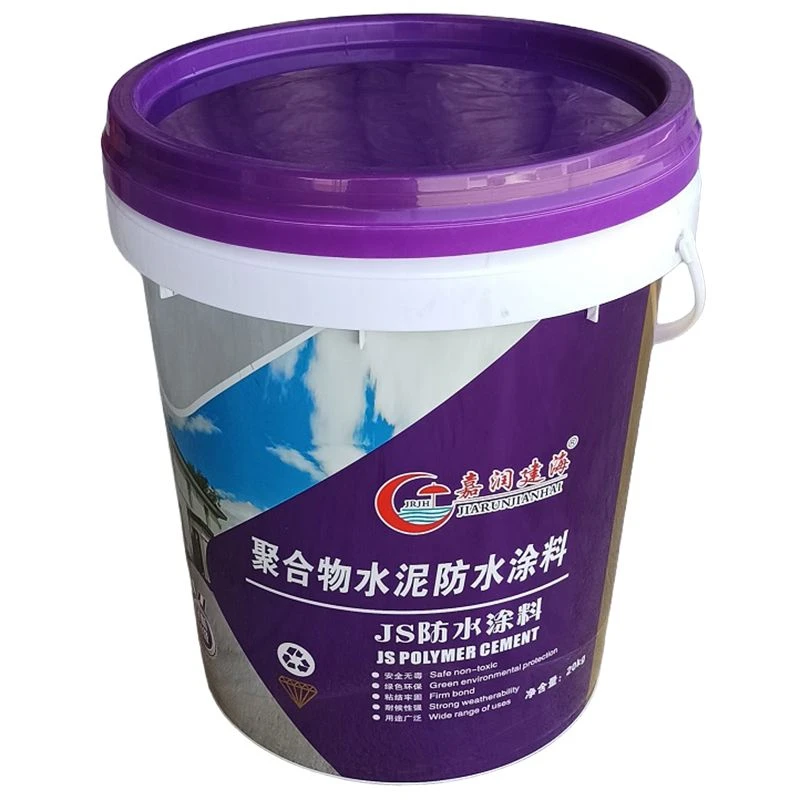
Our Polymer Cement Waterproof Coating is a popular choice for underground water tanks. It combines the strength of cement with the flexibility of polymers. This unique combination gives it excellent adhesion to the tank surface and good resistance to freeze - thaw cycles.
The polymer component in the coating helps to absorb the stress caused by the expansion and contraction of water during freeze - thaw cycles. It acts as a shock absorber, preventing the coating from cracking. The cement provides a solid base, ensuring long - term durability. In our tests, we've found that this coating can withstand multiple freeze - thaw cycles without significant damage.
Elastomeric Cementitious Waterproofing Coating
The Elastomeric Cementitious Waterproofing Coating is another great option. As the name suggests, it has elastomeric properties, which means it can stretch and contract without breaking. This is extremely beneficial in freeze - thaw conditions.
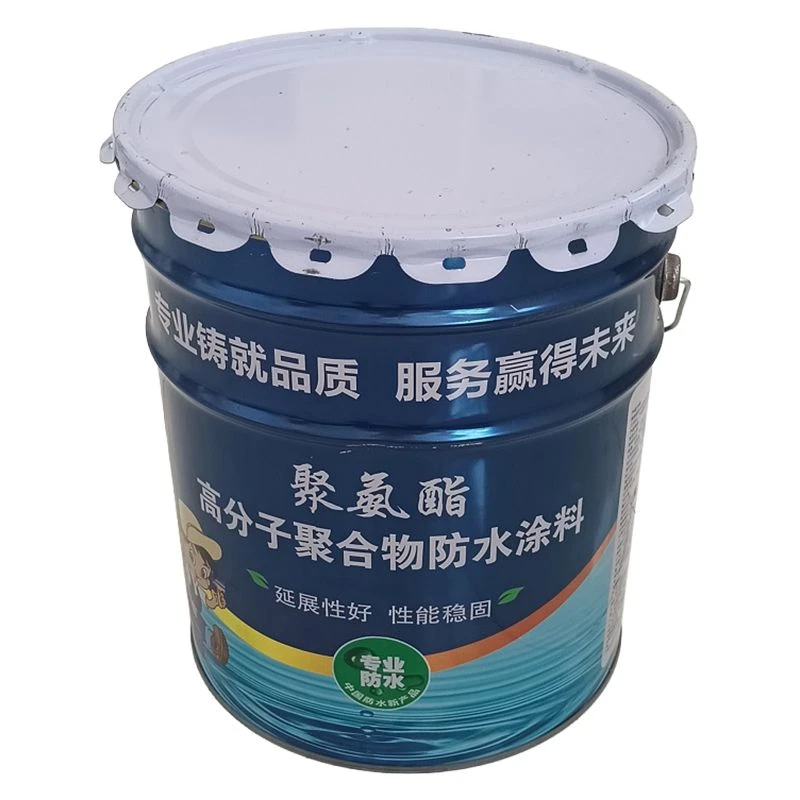
During the freezing phase, when water expands inside the pores, the elastomeric coating stretches to accommodate the increased volume. When the ice melts, it returns to its original shape. This elasticity helps to prevent cracks from forming and keeps the tank waterproof. We've seen this coating perform well even in areas with harsh winter climates.
Acrylic Based Waterproofing Paint
Our Acrylic Based Waterproofing Paint offers good water resistance and is also resistant to freeze - thaw cycles. Acrylic paints form a flexible membrane on the tank surface. This membrane can withstand the pressure changes caused by freeze - thaw cycles.
The acrylic resins in the paint create a tough, yet flexible barrier that protects the tank from water penetration. It also has good UV resistance, which is an added bonus if the tank is partially exposed. However, like all paints, it has its limits. Prolonged exposure to extreme freeze - thaw conditions may require additional protection or maintenance.
Interior Waterproof Coating
For the interior of underground water tanks, our Interior Waterproof Coating is designed to provide long - lasting protection. It not only has to resist freeze - thaw cycles but also needs to be safe for contact with water.
This coating is formulated to meet strict health and safety standards. It forms a smooth, non - porous surface that prevents water from seeping into the tank walls. The resistance to freeze - thaw cycles ensures that the coating remains intact, protecting the water inside the tank from contamination.
Waterproof Coating for Concrete Water Tanks
Our Waterproof Coating for Concrete Water Tanks is specifically tailored for concrete structures. Concrete is prone to cracking, especially under the stress of freeze - thaw cycles. This coating helps to seal the cracks and prevent water from entering the concrete.
It has excellent adhesion to concrete surfaces and can withstand the expansion and contraction of the concrete during temperature changes. The coating also provides protection against chemical corrosion, which can be a problem in some underground water environments.
Testing Our Paints for Freeze - Thaw Resistance
We conduct rigorous testing to ensure that our waterproofing paints meet the highest standards of freeze - thaw resistance. In our laboratory, we simulate freeze - thaw cycles by subjecting coated samples to repeated cycles of freezing and thawing.
We measure the performance of the coating in terms of cracking, peeling, and loss of adhesion. Samples that pass our tests are then used in real - world applications to further validate their performance. This way, we can be confident in recommending our paints to customers in regions with freeze - thaw conditions.
Factors Affecting Freeze - Thaw Resistance
While our paints are designed to resist freeze - thaw cycles, there are several factors that can affect their performance. The quality of the surface preparation is crucial. If the tank surface is not properly cleaned and prepared before applying the paint, the adhesion may be poor, reducing the paint's ability to withstand freeze - thaw cycles.
The thickness of the paint coating also matters. A thicker coating may provide better protection, but it's important to follow the manufacturer's recommendations. Applying too much paint can lead to problems such as cracking and peeling.
The frequency and severity of the freeze - thaw cycles in a particular area also play a role. In regions with extremely cold winters and frequent temperature fluctuations, the stress on the coating will be higher. Additional protective measures may be needed in these cases.
Conclusion
In conclusion, our Underground Water Tank Waterproofing Paints offer good resistance to freeze - thaw cycles. Our Polymer Cement Waterproof Coating, Elastomeric Cementitious Waterproofing Coating, Acrylic Based Waterproofing Paint, Interior Waterproof Coating, and Waterproof Coating for Concrete Water Tanks are all designed to protect your underground water tanks in various conditions.
If you're in the market for a reliable waterproofing solution for your underground water tank, especially in areas with freeze - thaw cycles, don't hesitate to get in touch with us. We can provide you with more information and help you choose the right product for your needs. Let's start a conversation about how we can protect your water tank and ensure its long - term performance.
References
- ASTM International. "Standard Test Method for Resistance of Concrete to Rapid Freezing and Thawing." ASTM C666/C666M - 15.
- Building Research Establishment. "Guidance on Waterproofing of Basements and Below - Ground Structures."