

Can tanking membrane paint be used on asbestos - containing surfaces (if legal)?
Sep 14, 2026
Leave a message
Can Tanking Membrane Paint be Used on Asbestos-Containing Surfaces (if legal)?
As a dedicated supplier of Tanking Membrane Paint, the question of using our product on asbestos-containing surfaces is one that I often encounter, especially in regions where such usage might legally be permitted under strict regulatory frameworks. Before delving into the feasibility of this application, let's first understand what asbestos is and why it poses such a challenge.
Asbestos is a naturally occurring fibrous silicate mineral that was widely used in construction and industrial applications from the late 19th century until the 1980s due to its strength, heat resistance, and insulating properties. However, asbestos fibers are extremely hazardous. When these fibers are released into the air and inhaled, they can cause serious and often fatal diseases such as asbestosis, lung cancer, and mesothelioma. Therefore, handling any asbestos-containing materials (ACMs) requires extreme caution and strict adherence to health and safety regulations.
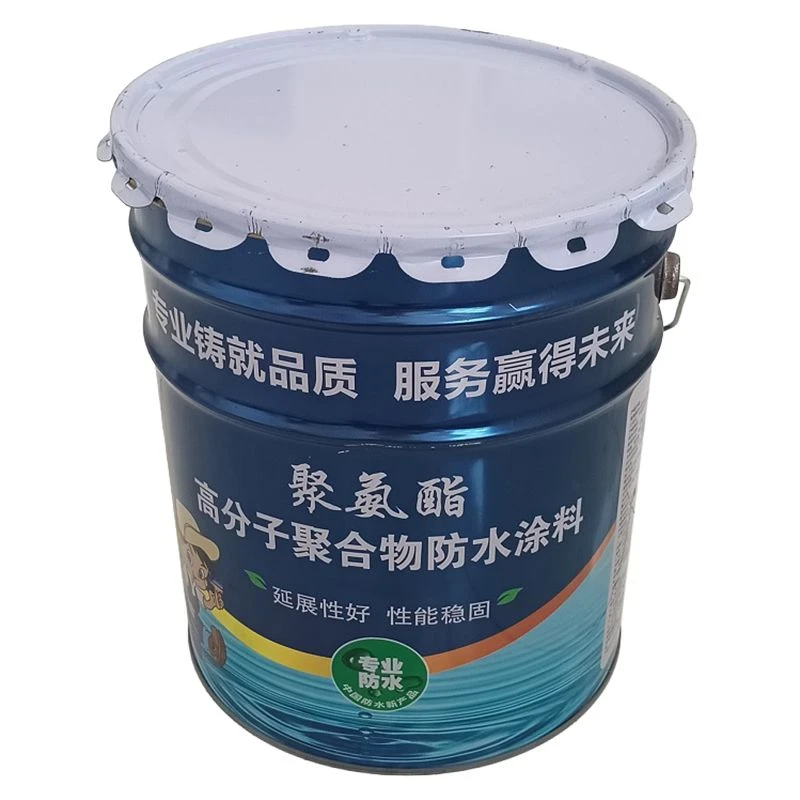
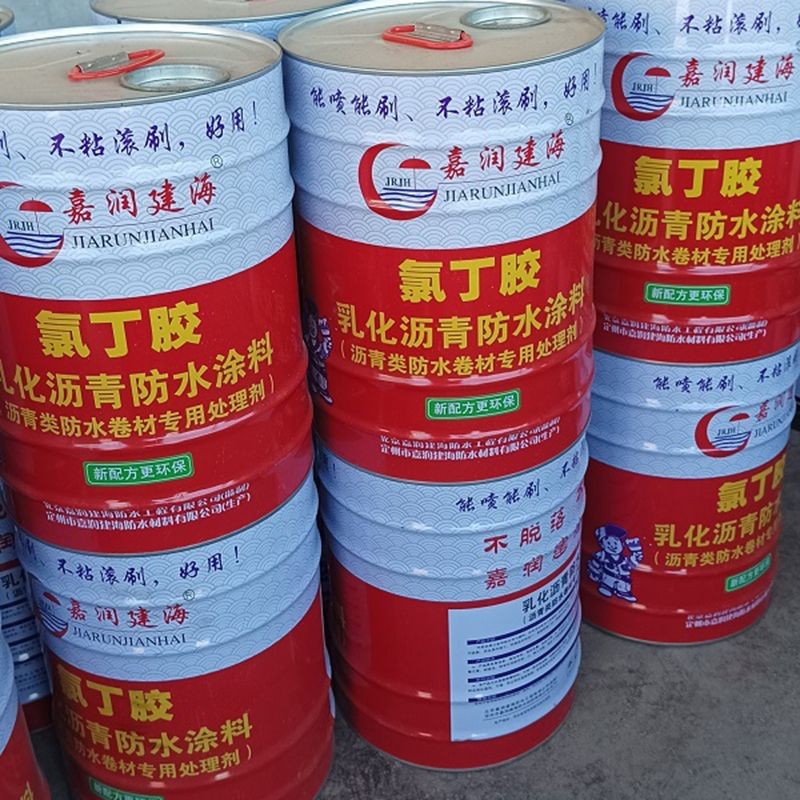
Now, turning to Tanking Membrane Paint. This Tanking Membrane Paint is designed to provide a waterproof barrier on various surfaces, preventing water ingress and protecting the underlying structure. Its properties include high adhesion, flexibility, and durability, making it a popular choice for basements, cellars, and other damp-prone areas.
If it is legally allowed to use tanking membrane paint on asbestos-containing surfaces, there are several factors to consider:
1. Surface Condition
The condition of the asbestos-containing surface is crucial. If the surface is in good condition, with no signs of deterioration, flaking, or friability (the ability to crumble easily), tanking membrane paint might potentially be used as a form of encapsulation. Encapsulation involves applying a coating to the asbestos surface to prevent the release of fibers into the air. The paint can act as a physical barrier, sealing the fibers in place.
However, if the surface is damaged or deteriorating, applying the paint may disturb the asbestos fibers, causing them to become airborne. In such cases, it is essential to first stabilize the surface or remove the ACMs altogether in accordance with local regulations. This might involve using a Neoprene Bitumen Primer to prepare the surface and ensure better adhesion of the tanking membrane paint.
2. Compatibility
The tanking membrane paint must be compatible with the asbestos material. Some paints may react chemically with asbestos, which could potentially break down the asbestos fibers or the paint itself, compromising the integrity of the encapsulation. It is advisable to conduct a small-scale compatibility test on a non - visible area of the asbestos surface before proceeding with full application.
In addition, the paint should be able to withstand the environmental conditions of the area where the asbestos surface is located. For example, if the area is exposed to high humidity or fluctuations in temperature, the paint should have sufficient flexibility and resistance to cracking. Our Water Based Polyurethane Waterproof Coating is known for its excellent flexibility and resistance to environmental factors, which could be a suitable option in some cases.
3. Regulatory Compliance
Even if it is legally possible to use tanking membrane paint on asbestos-containing surfaces, strict regulatory compliance is non - negotiable. Before any application, it is necessary to obtain all the required permits and approvals from the relevant local authorities. These authorities may require detailed information about the asbestos material, the type of paint to be used, and the application process.
Furthermore, the work must be carried out by trained and certified professionals. These professionals are familiar with the proper safety procedures for handling ACMs, including wearing appropriate personal protective equipment (PPE) such as respirators, coveralls, and gloves. They will also ensure that the area is properly ventilated to minimize the risk of asbestos fiber inhalation.
4. Long - term Monitoring
Once the tanking membrane paint has been applied to the asbestos-containing surface, long - term monitoring is essential. This is to ensure that the paint remains intact and that the asbestos fibers are still effectively encapsulated. Any signs of cracking, peeling, or deterioration of the paint should be addressed immediately.
Regular inspections by a qualified asbestos assessor can help detect any issues early on. In some cases, additional coatings or repairs may be necessary to maintain the integrity of the encapsulation over time.
In addition to tanking membrane paint, other waterproofing solutions may also be considered in conjunction with or as an alternative to coating asbestos surfaces. Our Elastomeric Cementitious Waterproofing Coating offers excellent water resistance and can be used in areas where a more rigid coating is required. Similarly, our Interior Waterproof Paint for Walls can be used for interior asbestos - containing walls to provide a waterproof and aesthetically pleasing finish.
In conclusion, while it may be possible to use tanking membrane paint on asbestos - containing surfaces if it is legal, it is a complex process that requires careful consideration of surface condition, compatibility, regulatory compliance, and long - term monitoring. As a supplier of high - quality tanking membrane paint and other waterproofing solutions, we are committed to providing our customers with the best advice and products to ensure the safe and effective waterproofing of their asbestos - containing surfaces.
If you are facing the challenge of waterproofing asbestos - containing surfaces and are considering using tanking membrane paint or other waterproofing solutions, we are here to help. Our team of experts can provide you with in - depth technical support, guidance on regulatory requirements, and product recommendations tailored to your specific needs. Don't hesitate to reach out to us to start a discussion about your project.
References
- Health and Safety Executive (UK). Asbestos: The Guide.
- World Health Organization. Asbestos - A Continuing Public Health Challenge.
- National Institute for Occupational Safety and Health (NIOSH). Asbestos - Preventing Occupational Exposure in General Industry.